







What's Happening?
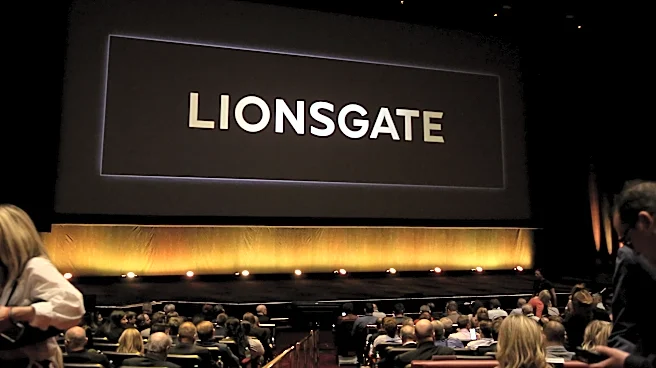
Adam Fogelson, Chair of Lionsgate Motion Picture Group, has publicly stated the studio's strong desire to continue working with author Suzanne Collins on additional 'Hunger Games' stories. This announcement follows the successful opening weekend of 'The
Hunger Games: Sunrise on the Reaping,' which grossed $119.3 million domestically, surpassing the box office performance of the two previous films in the series. The film, an adaptation of Collins' 2025 prequel novel, is set 24 years before the original 2008 book and features Joseph Zada as Haymitch Abernathy. Fogelson emphasized Lionsgate's respect for Collins as the franchise's creator, indicating that the studio is patiently awaiting her decision to write another story. He affirmed his readiness to prioritize any new material from her, highlighting the studio's commitment to her vision. The recent prequel's success, which had a $150 million budget, demonstrates renewed audience interest in the franchise.
Why It's Important?
This development is significant for the entertainment industry, particularly for Lionsgate, as it signals the potential for continued revenue generation from a highly successful franchise. The 'Hunger Games' series has a proven track record of box office success and a dedicated global fanbase. Securing future projects with Suzanne Collins, the original architect of the universe, is crucial for maintaining the authenticity and appeal of any new installments. For fans, this news offers hope for more stories set in the dystopian world of Panem, potentially exploring other characters or periods within the established lore. The strong opening of 'Sunrise on the Reaping' suggests that audiences are receptive to new narratives within the franchise, especially those that delve into beloved characters or significant historical events within the series. This also underscores the power of original creators in guiding the expansion of major cinematic universes.
What's Next?
The immediate next step hinges entirely on Suzanne Collins' decision to write another 'Hunger Games' novel. Lionsgate has made it clear they will wait for her initiative, indicating no immediate plans to push for new stories without her involvement. Should Collins decide to write another book, Lionsgate is poised to adapt it, given Fogelson's expressed enthusiasm. The studio will likely continue to engage with the franchise's fanbase, as they have done previously, to gauge interest in potential storylines. The success of 'Sunrise on the Reaping' provides a strong incentive for both Collins and Lionsgate to explore further collaborations. Future discussions will likely involve the scope, timeline, and creative direction of any new projects, with Collins maintaining creative control as the primary storyteller.
Beyond the Headlines
The dynamic between Lionsgate and Suzanne Collins highlights a broader trend in Hollywood where studios increasingly value and defer to the original creators of successful intellectual properties. This approach contrasts with past practices where studios might have pursued sequels or spin-offs without the original author's direct involvement. By prioritizing Collins' creative autonomy, Lionsgate aims to ensure the continued quality and integrity of the 'Hunger Games' universe, which is vital for long-term franchise sustainability. This strategy can foster greater trust with creators and potentially lead to more authentic and well-received adaptations. It also reflects a recognition that a strong narrative foundation, directly from the source, is often the most critical element for a franchise's enduring appeal, especially in an era of numerous cinematic universes competing for audience attention.