




What's Happening?
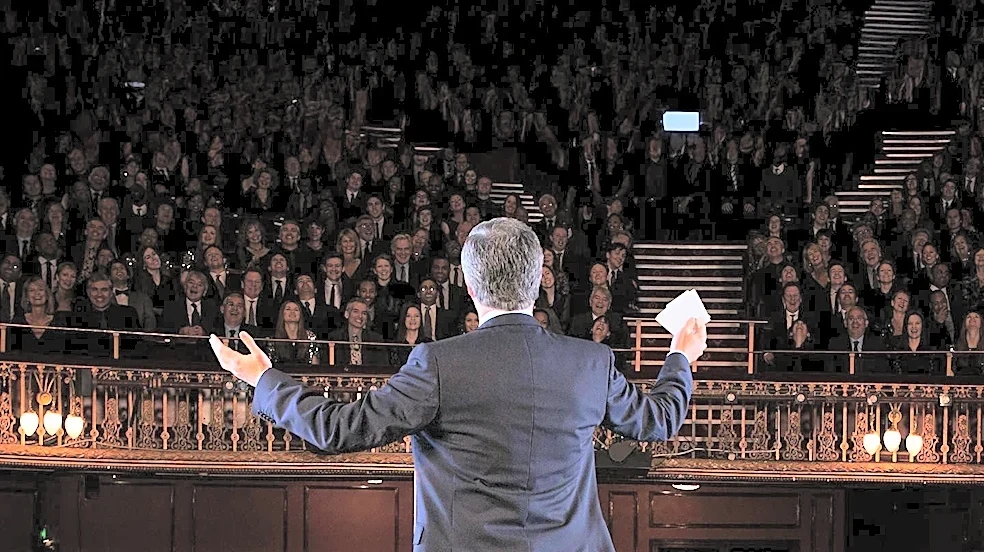
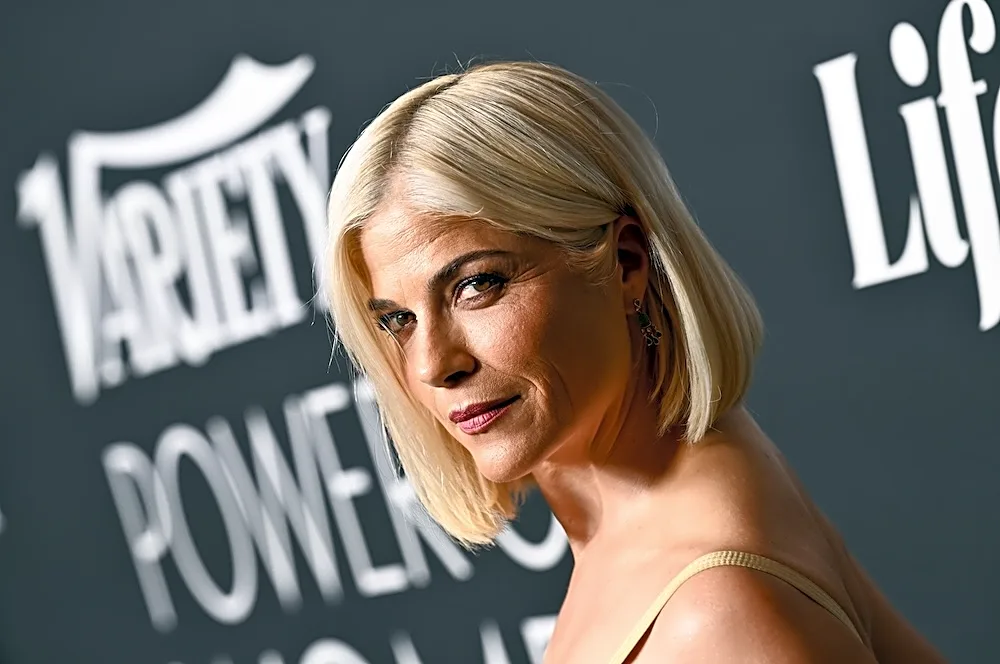
Actress Martha Plimpton has publicly criticized comedian Shane Gillis's recent monologue on 'Saturday Night Live' (SNL), calling his remarks 'really f***ing stupid s***.' Plimpton's comments came after Gillis made controversial jokes about female gymgoers,
which drew widespread condemnation. In addition to criticizing Gillis, Plimpton also took aim at SNL creator Lorne Michaels, suggesting that he surrounds himself with 'all white men.' This incident follows Gillis's previous firing from SNL in 2019 due to resurfaced podcast clips containing politically incorrect and offensive remarks. Other celebrities, including Dan Levy and SNL alumna Ego Nwodim, have also voiced their disapproval of Gillis's monologue.
Why It's Important?
Martha Plimpton's strong condemnation of Shane Gillis's SNL monologue and her criticism of Lorne Michaels highlight a significant ongoing debate within the entertainment industry regarding the boundaries of comedy, accountability for offensive content, and diversity in creative leadership. This incident underscores the increasing scrutiny comedians face in the age of social media, where past and present remarks can quickly lead to public backlash. Plimpton's comments about Michaels's hiring practices also bring attention to broader issues of representation and inclusion in major television productions. The collective celebrity response, including that of Dan Levy and Ego Nwodim, indicates a growing demand for more responsible and inclusive content, potentially influencing future decisions by networks and showrunners regarding talent selection and content guidelines.
What's Next?
The public criticism from Martha Plimpton and other celebrities is likely to intensify the conversation around Shane Gillis's comedic style and the editorial decisions made by 'Saturday Night Live.' This could lead to increased pressure on Lorne Michaels and NBC to address concerns about content and diversity. While Gillis has previously offered apologies for past remarks, the ongoing backlash may impact his future career opportunities and public perception. The incident also serves as a reminder for comedians and content creators to be mindful of the potential consequences of their material, especially on national platforms. Discussions about the role of comedy in society and the responsibility of media organizations are expected to continue.
Beyond the Headlines
The controversy surrounding Shane Gillis's SNL monologue and Martha Plimpton's response delves into the complex interplay between artistic freedom, social responsibility, and the evolving landscape of public discourse. This incident raises fundamental questions about who gets to define what is acceptable humor and the power dynamics within the entertainment industry. Plimpton's criticism of Lorne Michaels's alleged lack of diversity in hiring points to systemic issues that extend beyond individual jokes, touching on representation, privilege, and the gatekeeping of creative spaces. The public's reaction, amplified by social media, reflects a broader cultural shift where audiences increasingly demand accountability from public figures and institutions. This ongoing dialogue has the potential to reshape industry standards for comedy, promoting a more inclusive and thoughtful approach to content creation while still navigating the complexities of free expression.