






What's Happening?
The global precision parts market is expected to grow from $264.82 billion in 2025 to $376.96 billion by 2031, according to Arizton. This growth is driven by OEMs in sectors like automotive, aerospace, and defense, which are increasingly seeking suppliers
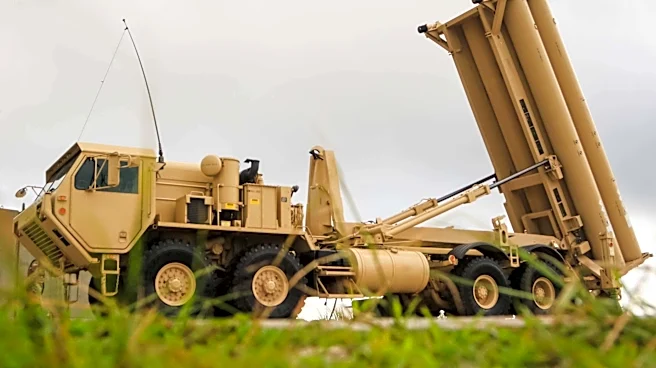
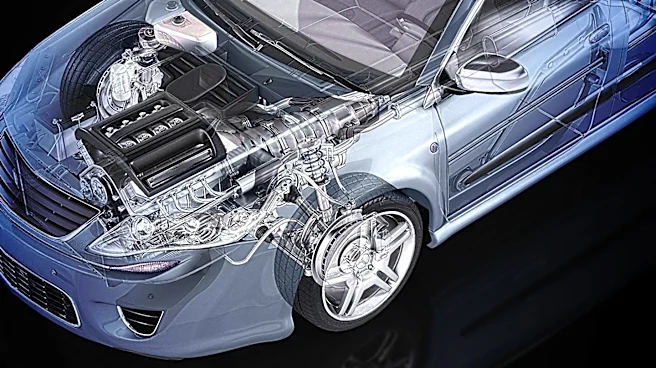
that offer complete solutions, including assembled and tested sub-systems. The demand for complex precision components is particularly rising in the defense sector due to military modernization. Additionally, the shift towards electric vehicles is altering the types of precision components required, with increased demand for battery enclosures and motor housings. The Asia-Pacific region, holding over 36% of the market, is the largest and fastest-growing region, supported by manufacturing capabilities in countries like Japan, South Korea, and China.
Why It's Important?
The expansion of the precision parts market reflects broader trends in manufacturing and technology. As industries like automotive and defense evolve, the need for high-precision components becomes critical, driving innovation and investment in manufacturing capabilities. The shift towards electric vehicles is particularly transformative, requiring new types of components and influencing investment decisions among suppliers. The growth of the precision parts market also highlights the strategic importance of regions like Asia-Pacific, which combine advanced engineering capabilities with large-scale production. This regional strength supports the global supply chain and positions APAC as a key player in the precision parts industry.
What's Next?
As the precision parts market continues to grow, manufacturers are likely to focus on enhancing their capabilities to meet the demand for complex, high-value components. This includes investing in advanced machining, forging, and casting technologies, as well as expanding their presence in key markets like defense and electric vehicles. The ongoing shift towards electric vehicles will require suppliers to adapt their product offerings and manufacturing processes to meet the changing needs of OEMs. Additionally, the competitive landscape may see increased collaboration between precision parts manufacturers and OEMs to drive innovation and ensure quality assurance.