






What's Happening?
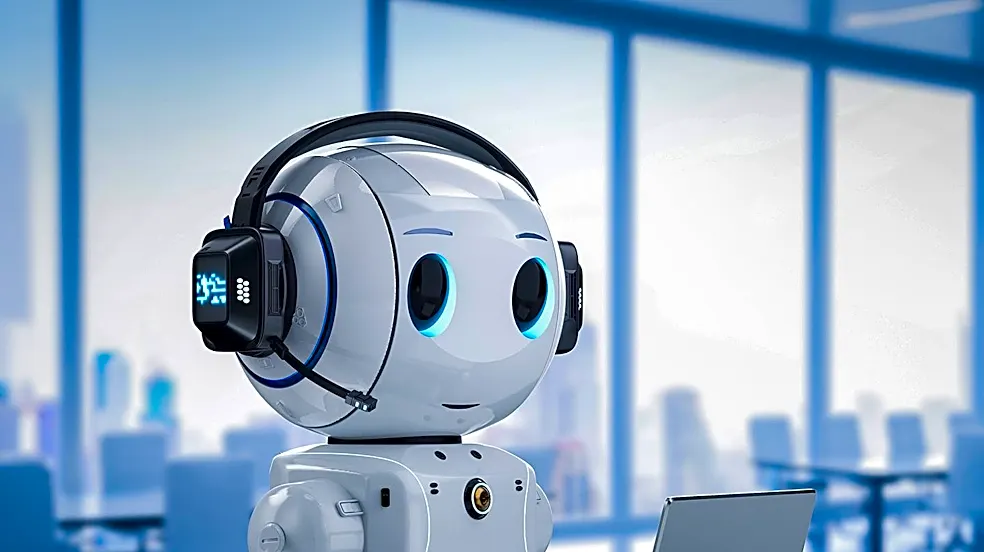
Automated customer service assistants are increasingly being utilized across various sectors, particularly in financial services, to streamline operations and improve customer interactions. These AI-powered tools are designed to handle a wide range of
tasks, including managing customer inquiries, supporting voice interactions, and providing multilingual assistance. They can automate multi-step conversations, guide customers through complex processes, and answer common questions about financial products and application procedures. Companies like Haptik offer conversational support for financial services, enabling businesses to manage high volumes of inquiries and support diverse language preferences. Botpress allows for the development of customized financial service chatbots that can integrate with existing business systems and automate guided customer service workflows. These assistants are suitable for building tailored financial service chatbots, answering questions about financial products, and automating guided customer service workflows, thereby reducing manual effort for routine tasks and enhancing efficiency.
Why It's Important?
The widespread adoption of automated customer service assistants signifies a significant shift in how businesses, especially in the financial sector, manage customer relations and operational efficiency. By automating routine inquiries and multi-step conversations, these assistants free up human agents to focus on more complex or sensitive issues, leading to improved overall service quality and reduced operational costs. For financial institutions, this means being able to provide 24/7 support, handle a larger volume of customer interactions, and offer consistent, accurate information across various channels and languages. This technology also empowers customers by providing immediate access to information and support, enhancing their experience and satisfaction. The ability to integrate these chatbots with existing business systems further amplifies their impact, creating a more cohesive and efficient service ecosystem. This trend is crucial for businesses looking to scale their customer support while maintaining high standards of service in an increasingly digital-first environment.
What's Next?
The future of automated customer service assistants is likely to involve further advancements in their capabilities and integration with more sophisticated AI technologies. We can expect to see continued development in natural language processing (NLP) and machine learning, allowing these assistants to understand and respond to customer inquiries with even greater accuracy and nuance. The integration of these tools with other emerging technologies, such as predictive analytics and sentiment analysis, could enable them to anticipate customer needs and offer more personalized support. Businesses will likely invest more in customizing these assistants to fit their specific operational requirements and brand voice, moving beyond generic chatbots to highly specialized virtual agents. The focus will also be on enhancing the seamless handover between automated assistants and human agents, ensuring that customers receive continuous and high-quality support regardless of the complexity of their request. This evolution will further solidify the role of AI in transforming customer service into a more proactive, efficient, and customer-centric function.
Beyond the Headlines
Beyond the immediate benefits of efficiency and cost reduction, the rise of automated customer service assistants raises deeper implications for the nature of work and customer expectations. The increasing reliance on AI for customer interactions could lead to a redefinition of customer service roles, with human agents transitioning to more specialized tasks requiring empathy, complex problem-solving, and strategic thinking. There are also ethical considerations regarding data privacy and the transparency of AI interactions, as customers interact with non-human entities. The psychological impact of interacting with AI, including potential frustrations when systems fail to understand complex human emotions or unique situations, will also need to be addressed. Furthermore, the accessibility of these technologies across different demographics and the potential for digital divides will be critical areas of focus. As AI becomes more pervasive, ensuring that these systems are designed to be inclusive, fair, and capable of handling the full spectrum of human communication will be paramount for their long-term success and societal acceptance.