





What's Happening?
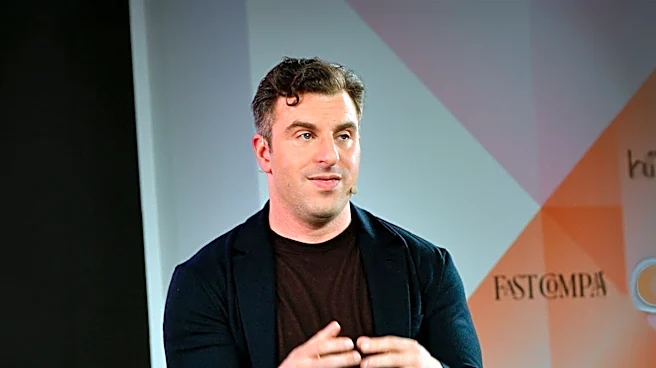
Brian Chesky, co-founder and CEO of Airbnb, has shared insights into his journey, highlighting the distinct challenges of being a founder versus a CEO. Chesky noted that while he excelled in the initial, creative phases of establishing Airbnb, the demands
of leading a growing organization as CEO required a different skill set. He described feeling a sense of emptiness even after Airbnb achieved a high valuation, which prompted him to re-evaluate his personal purpose beyond the company's financial success. This reflection led him to understand that the excitement derived from pursuing larger company scale or valuation is often fleeting. He also reconsidered conventional management advice, such as hiring experienced senior managers and allowing them autonomy, as this approach sometimes led to internal disarray and a loss of control over product and organizational direction for the founders. Chesky's experience underscores the evolving nature of leadership roles within rapidly expanding startups.
Why It's Important?
Chesky's reflections are important for the U.S. business landscape, particularly for the startup and tech sectors. His candid admission about the 'emptiness' despite high valuation challenges the prevailing narrative that financial success automatically equates to personal fulfillment for entrepreneurs. This perspective could influence how founders and investors define success, potentially shifting focus towards sustainable growth, company culture, and personal well-being rather than solely on market capitalization. Furthermore, his insights into the differences between founding and leading a large company offer valuable lessons for aspiring entrepreneurs and current CEOs. It highlights the need for founders to adapt their leadership styles as their companies scale, moving from a hands-on creative role to one that involves strategic organizational leadership. This could lead to more effective management practices and a greater emphasis on leadership development within fast-growing U.S. companies, ultimately impacting their long-term stability and innovation.
What's Next?
Chesky's ongoing reflections could lead to a re-evaluation of leadership strategies within Airbnb and potentially influence broader management philosophies in the tech industry. His emphasis on purpose beyond valuation might inspire other CEOs to prioritize employee well-being, sustainable business practices, and a more balanced approach to growth. For Airbnb, this could translate into internal policy changes that foster a more cohesive organizational structure and clearer strategic direction, moving away from a purely decentralized management model. Industry-wide, these insights might encourage a greater focus on leadership training programs tailored for founders transitioning into CEO roles, addressing the specific challenges of scaling a company while maintaining its core vision. This shift could also spark more public discourse on the psychological impacts of hyper-growth and the importance of personal fulfillment for leaders in high-pressure environments.
Beyond the Headlines
The deeper implication of Chesky's experience touches upon the psychological toll of modern entrepreneurship and the often-unspoken realities behind massive corporate success. His feeling of 'emptiness' despite achieving a multi-billion-dollar valuation highlights a critical ethical and cultural dimension: the relentless pursuit of growth and financial metrics can sometimes overshadow personal well-being and a deeper sense of purpose. This narrative challenges the Silicon Valley ethos that often glorifies rapid expansion and high valuations as the ultimate markers of achievement. It suggests a potential long-term shift in how success is perceived and measured within the U.S. business community, moving towards a more holistic view that includes personal satisfaction and societal impact. This could lead to a cultural re-evaluation of what it means to be a successful leader, fostering environments where mental health and a clear sense of mission are as valued as market performance.