



What's Happening?
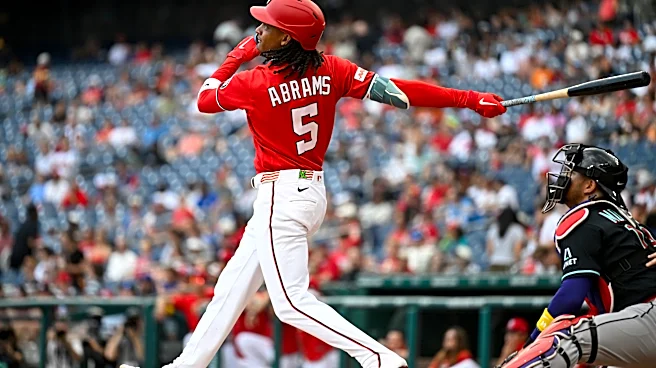
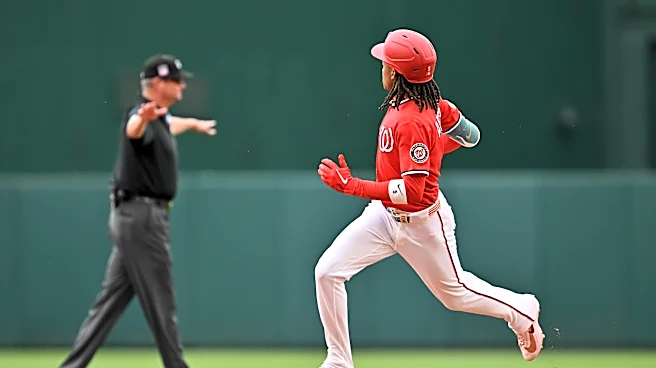
As the 2026 MLB trade deadline approaches, teams are being cautioned against making critical errors that could impact their future competitiveness. The Washington Nationals, for instance, are advised to avoid selling key players like James Wood and C.J.
Abrams, who have several years of team control remaining. The Nationals recently traded for LHP Connelly Early, a move seen as planning for the future rather than immediate contention. Other teams, like the Detroit Tigers, are encouraged to decide on a clear strategy, whether to buy or sell, to avoid indecision that could hinder their progress. The article highlights the importance of strategic decision-making at the trade deadline to balance current performance with future potential.
Why It's Important?
The trade deadline is a pivotal moment for MLB teams, offering opportunities to strengthen rosters or acquire future assets. Making informed decisions can significantly impact a team's trajectory, affecting their competitiveness in the short and long term. For teams like the Nationals, retaining young talent with team control is crucial for building a sustainable future. Conversely, failing to make decisive moves could result in missed opportunities to improve or rebuild. The guidance provided to teams underscores the importance of strategic planning and the potential consequences of missteps at the trade deadline.
What's Next?
Teams will continue to evaluate their rosters and make strategic decisions as the trade deadline approaches. The Nationals, for example, will need to assess their position and decide whether to focus on immediate contention or future development. Other teams will face similar decisions, balancing the need for current performance with long-term goals. The outcomes of these decisions will shape the competitive landscape of the MLB for the remainder of the season and beyond.