





What's Happening?
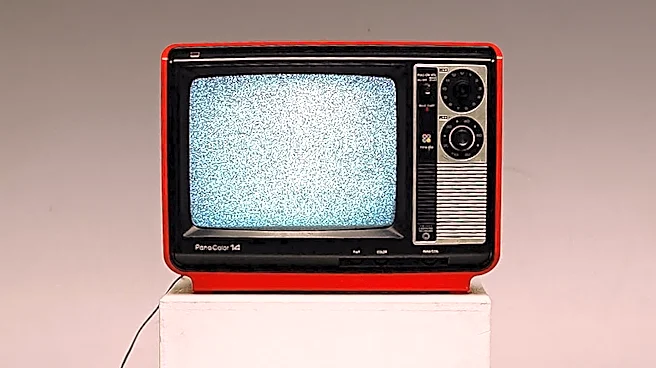
Modern home technology, including smart lighting systems like Philips Hue, smart TVs such as Samsung's The Frame, and portable smart screens like The Movingstyle, are transforming how individuals create and control the atmosphere within their living spaces.
These devices allow users to instantly shift the mood of a room, from bright, cool white for productivity to warm, amber tones for relaxation or entertaining. Philips Hue smart lights offer a wide spectrum of colors and warmth settings, enabling users to save specific scenes for various moods, which can then be integrated with other smart home devices via platforms like Samsung SmartThings. This integration allows for synchronized changes in lighting, music, and screen displays, effectively creating a 'mood switch' for the entire house. The Frame TV, for instance, displays artwork when not in use, adapting the visual aesthetic of a room, while The Movingstyle offers a portable screen solution for various activities across different rooms.
Why It's Important?
The integration of advanced smart home technology signifies a significant shift in how consumers interact with their living environments, moving beyond basic functionality to personalized atmospheric control. This trend impacts the home electronics industry by driving demand for interconnected, versatile devices that cater to diverse lifestyle needs. For consumers, it offers unprecedented flexibility and convenience in tailoring their home's ambiance for different activities, from focused work to social gatherings or quiet relaxation. The ability to change a room's entire 'vibe' with a single command enhances the perceived value and utility of home spaces, making them more adaptable and enjoyable. This also influences interior design trends, as lighting and digital displays become integral elements of decor, offering dynamic rather than static aesthetic experiences. The emphasis on creating specific moods through technology highlights a growing consumer desire for personalized and immersive home environments.
What's Next?
The future is likely to see further integration and sophistication in smart home ecosystems, with increased interoperability between different brands and device types. Expect advancements in AI-driven personalization, where systems learn user preferences and automatically adjust ambiance based on time of day, user activity, or even biometric data. Manufacturers will likely focus on developing more seamless user interfaces and voice control capabilities to make these systems even more intuitive. The market may also see an expansion of specialized mood-enhancing devices, such as smart diffusers for scent control or advanced sound systems designed to complement visual and lighting changes. As these technologies become more accessible and affordable, their adoption is expected to grow, making dynamic home environments a standard expectation rather than a luxury. Furthermore, the concept of 'smart living' will likely extend beyond individual rooms to entire homes, creating a cohesive and responsive living experience.
Beyond the Headlines
Beyond the immediate convenience, the rise of mood-centric smart home technology touches upon deeper psychological and sociological implications. The ability to precisely control one's environment can influence well-being, productivity, and emotional states, offering a new dimension to personal comfort and self-expression. This trend also raises questions about the nature of 'home' in the digital age, as physical spaces become increasingly augmented by digital layers of experience. There's a subtle shift from passive consumption of media to active creation of personal environments, blurring the lines between physical and digital realities. Ethically, as these systems collect more data on user habits and preferences, concerns around privacy and data security will become more prominent. Culturally, it reflects a broader societal trend towards personalization and on-demand experiences, where individuals expect their surroundings to adapt to their immediate needs and desires, fostering a more fluid and responsive relationship with their living spaces.