






What's Happening?
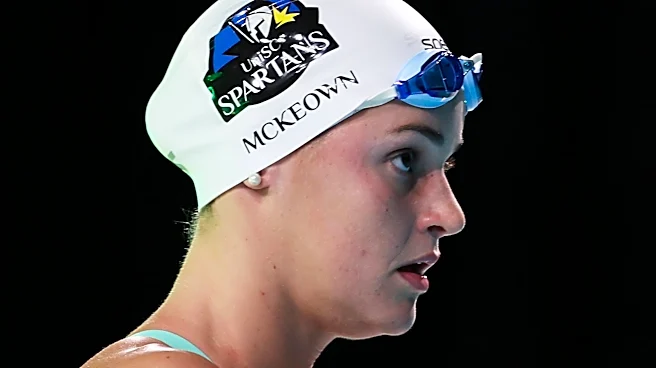
Top strength coaches are increasingly emphasizing the critical role of strength training, flexibility, and body awareness for elite distance swimmers, including Canadian sensation Summer McIntosh. Vern Gambetta, a renowned strength coach who has worked
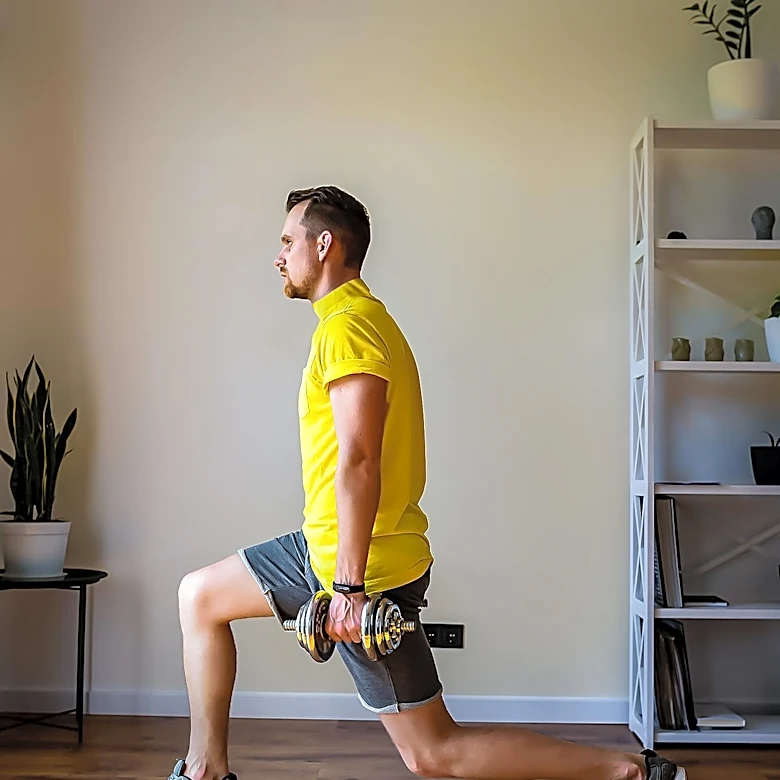
with McIntosh, highlights that these elements are essential for developing a 'complete swimmer.' While traditional distance swimming has focused on high-volume aerobic training, there's a growing recognition that power and functional strength, often associated with sprinters, are also vital for distance athletes. Coaches like Michael Hanson from the University of Texas and Alonzo Williams of the Sandpipers of Nevada are implementing diverse gym programs, balancing strength gains with the need to avoid overworking swimmers who already endure high-volume pool training. The goal is to build stronger, healthier swimmers by focusing on movements like squatting, hinging, pushing, lunging, and explosive exercises such as medicine-ball throws and jumps. This approach aims to improve force expression in the water, enhance turns and starts, and preserve joint health, particularly in the shoulders, which are heavily stressed in high-yardage training.
Why It's Important?
This shift in training philosophy signifies a broader evolution in competitive swimming, moving towards a more holistic athlete development model. For U.S. swimming programs and athletes, this means a potential re-evaluation of traditional training regimens, integrating more targeted strength and conditioning work. The emphasis on functional strength and injury prevention can lead to longer, more successful careers for swimmers, reducing the incidence of overuse injuries. By adopting these advanced training methods, U.S. swimmers could gain a competitive edge on the international stage, as improved power and efficiency in the water directly translate to faster times. Furthermore, the focus on body awareness and flexibility contributes to better technique and reduced drag, crucial factors in elite performance. This approach also highlights the interdisciplinary nature of modern sports science, where strength and conditioning coaches play an increasingly integral role alongside traditional swim coaches in optimizing athletic potential.
What's Next?
The trend towards integrated strength training for distance swimmers is likely to continue and expand across U.S. collegiate and club swimming programs. Coaches will likely further refine these methods, tailoring programs to individual athlete needs while incorporating new research in sports science. There may be increased collaboration between swim coaches and strength and conditioning specialists to ensure seamless integration of in-water and dry-land training. Future developments could include more sophisticated biomechanical analyses to identify specific strength deficits and optimize training interventions. Additionally, as more elite swimmers like Summer McIntosh demonstrate success with these methods, it could inspire a new generation of athletes and coaches to adopt similar comprehensive training approaches, potentially leading to new performance benchmarks and a deeper understanding of swimmer physiology.
Beyond the Headlines
The evolving training methodologies in swimming reflect a broader paradigm shift in elite sports, where the lines between different athletic disciplines are blurring. The idea that distance athletes can benefit from power training traditionally reserved for sprinters challenges long-held assumptions about specialization. This interdisciplinary approach underscores the importance of viewing the athlete as a complete system, where physical attributes like strength, flexibility, and endurance are interconnected. Ethically, this shift also places a greater emphasis on athlete well-being and longevity, as injury prevention becomes a central component of high-performance training. Legally, as training becomes more complex, there may be increased scrutiny on coaching methodologies to ensure they adhere to best practices and prioritize athlete safety. Culturally, the success of athletes like Summer McIntosh, who embody this comprehensive training philosophy, could inspire a new generation of swimmers to embrace a more diverse and integrated approach to their athletic development, fostering a culture of continuous improvement and innovation in the sport.