


What's Happening?
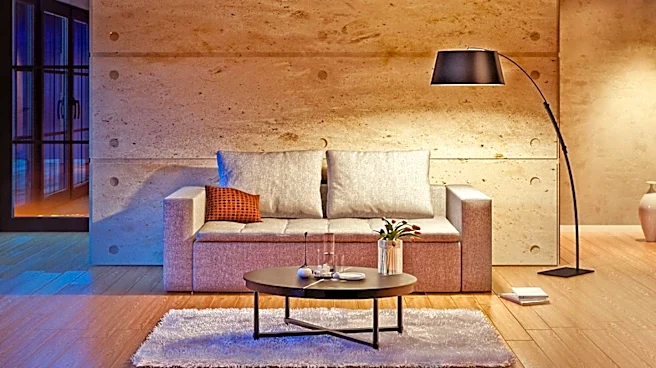
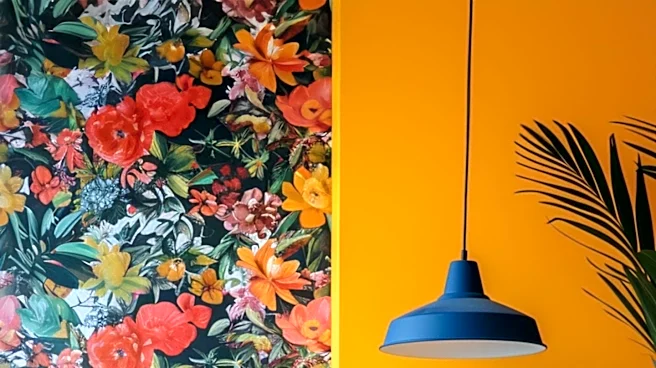
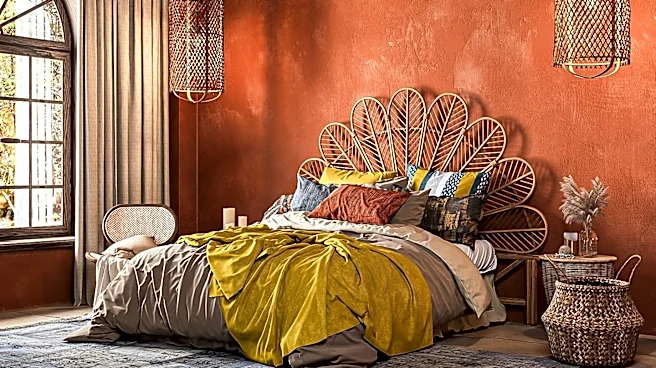
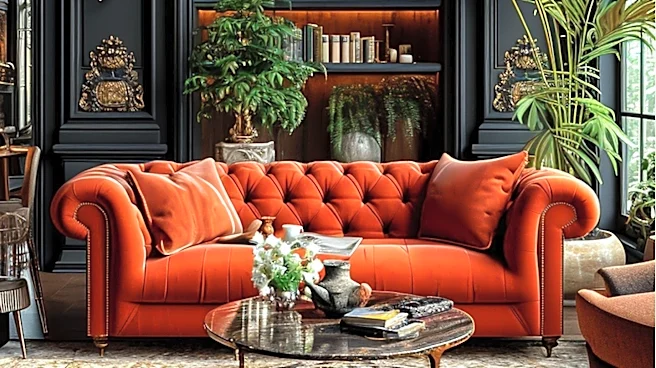
Maximalism, an aesthetic emphasizing abundance and opulence, is making a significant comeback in home decoration, particularly for the fall season. This shift marks a departure from the minimalist and 'quiet luxury' trends that have dominated interior
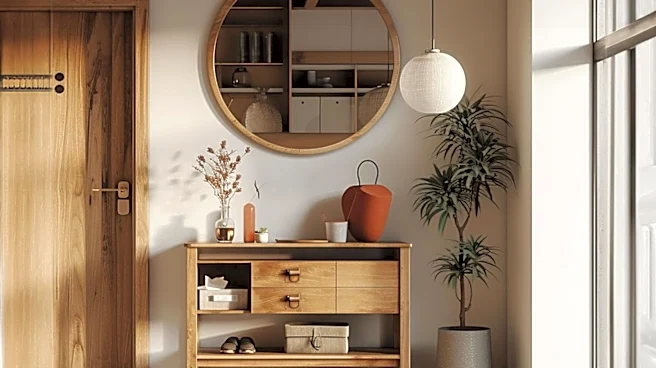
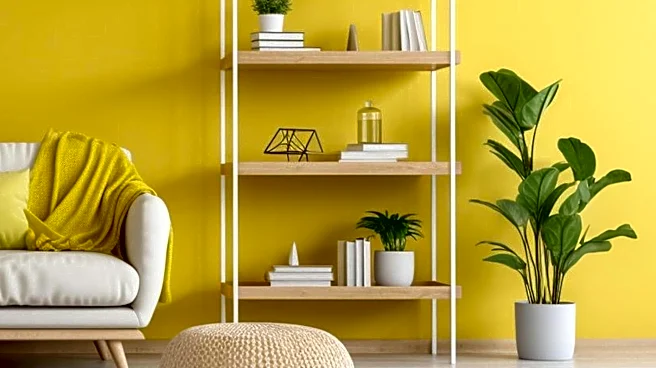
design in recent years. The renewed interest in maximalism encourages the use of richer, warmer, and more personal color palettes. Instead of complete renovations, the trend focuses on incorporating small, seasonal updates to create inviting spaces. Fall-specific colors like tobacco, terracotta, and moss are being highlighted, with an emphasis on using contrast to add vibrancy without overwhelming the space. This approach allows individuals to layer their personal style into the trend, moving beyond blindly following design dictates.
Why It's Important?
The resurgence of maximalism in home decor reflects a broader cultural shift towards personalization and away from uniform, minimalist aesthetics. This trend impacts the retail and interior design industries, as consumers may seek out more diverse and vibrant home furnishings, textiles, and decorative objects. For businesses, this could mean an increased demand for products that offer rich textures, bold patterns, and a wider spectrum of colors, potentially boosting sales in specific segments of the home goods market. It also signifies a change in consumer preference, where individuality and expressive design are valued over understated simplicity. This could lead to new opportunities for designers and manufacturers to innovate with more elaborate and colorful product lines.
What's Next?
As maximalism gains traction, consumers can expect to see a wider array of richly colored and patterned home decor items available in stores. Interior designers may increasingly incorporate these elements into their projects, moving towards more eclectic and personalized spaces. The trend suggests that future design cycles might continue to favor expressive and individualistic styles over strict adherence to minimalist principles. Retailers are likely to adapt their seasonal collections to feature more maximalist-inspired products, encouraging consumers to experiment with bolder choices in their living environments. This could also lead to a re-evaluation of existing decor, as people look for ways to integrate new, vibrant pieces with their current furnishings.
Beyond the Headlines
The return of maximalism can be seen as a reflection of a desire for comfort, warmth, and personal expression in an increasingly complex world. After periods of uncertainty, people often seek to create more comforting and visually stimulating environments within their homes. This aesthetic choice can also be interpreted as a form of rebellion against the perceived austerity or uniformity of minimalist trends, allowing for a more playful and uninhibited approach to personal spaces. Ethically, it encourages a more sustainable approach to decor by advocating for small, impactful updates rather than complete overhauls, allowing individuals to refresh their homes without excessive consumption. Culturally, it highlights the cyclical nature of design trends, where past styles are reinterpreted and given new life.