





What's Happening?
Stanley 1913, known for its iconic vacuum bottles and popular Quencher series, is expanding its sales team by hiring a Retail Analyst for Key Accounts. This new role aims to bolster the company's strategic sales efforts by leveraging data analytics. The
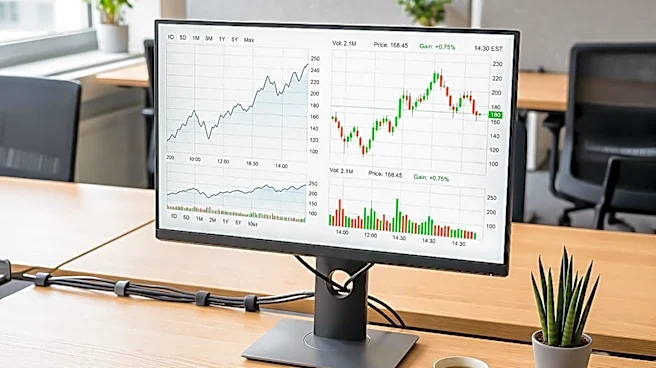
Retail Analyst will be responsible for developing tools, dashboards, visualizations, and reports to provide internal teams and external partners with clear insights into historical sales data. This initiative is designed to facilitate informed decision-making regarding the future direction of the business and to support sales growth. The position is remote but requires the candidate to be located in or near Bentonville, Arkansas, or Houston, Texas, indicating a focus on key retail partnerships such as Walmart and Academy. The analyst will also work on identifying sales opportunities, ensuring assortment planning aligns with category targets, and partnering with the demand planning team for accurate forecasts. This move underscores Stanley 1913's commitment to data-driven strategies in its sales and market penetration efforts.
Why It's Important?
This strategic hire by Stanley 1913 signifies a growing emphasis on data analytics within the consumer products industry to drive sales and market share. By investing in a Retail Analyst, Stanley 1913 aims to gain a deeper understanding of consumer trends, optimize product assortments, and enhance promotional planning. This data-centric approach can lead to more efficient inventory management, reduced waste, and increased profitability. For consumers, this could translate into better product availability and more targeted offerings that align with their preferences. For retailers like Walmart and Academy, having a data-savvy partner like Stanley 1913 can improve collaboration, leading to more effective merchandising and sales strategies. The role's focus on key accounts suggests that Stanley 1913 is looking to strengthen its relationships with major retailers, which is crucial for expanding its market reach and maintaining its competitive edge in the drinkware sector. This move reflects a broader industry trend where companies are increasingly relying on sophisticated data analysis to navigate complex retail landscapes and consumer behaviors.
What's Next?
The immediate next step for Stanley 1913 will be to successfully recruit and onboard a qualified Retail Analyst. Once in place, this individual will begin developing and implementing the data tools and reporting mechanisms outlined in the job description. This will involve creating dashboards and visualizations that provide actionable insights for the strategic sales team and external partners. The company will likely use these new analytical capabilities to refine its sales strategies, optimize product placement in key retail accounts, and improve demand forecasting. We can anticipate a more data-informed approach to product launches, promotional campaigns, and inventory management. Furthermore, the insights generated by this role could influence future product development, ensuring that Stanley 1913 continues to offer products that resonate with consumer demand. The success of this role could also lead to further investments in data analytics within the company, potentially expanding the team or integrating more advanced analytical technologies.
Beyond the Headlines
The creation of this Retail Analyst role by Stanley 1913 highlights a significant shift in how traditional consumer goods companies are approaching market strategy. It underscores the increasing importance of 'big data' and analytics in even established industries. Beyond simply tracking sales, this role aims to uncover deeper insights into consumer behavior, regional preferences, and the effectiveness of various sales channels. This move could set a precedent for other companies in the drinkware and outdoor gear sectors, prompting them to similarly invest in advanced analytical capabilities to remain competitive. Ethically, the use of such detailed data raises questions about consumer privacy and how purchasing patterns are analyzed and utilized, though the immediate focus here is on sales optimization. Culturally, it reflects a broader societal trend where data literacy and analytical skills are becoming indispensable across various professional fields, transforming traditional sales and marketing roles into more data-driven functions. This evolution signifies a long-term shift towards precision marketing and highly targeted business strategies.