







What's Happening?
AkzoNobel emphasizes the significant role of thoughtful color choices in influencing well-being and behavior within built environments. The company notes that color is often underestimated, frequently treated as a mere finishing touch, despite its profound
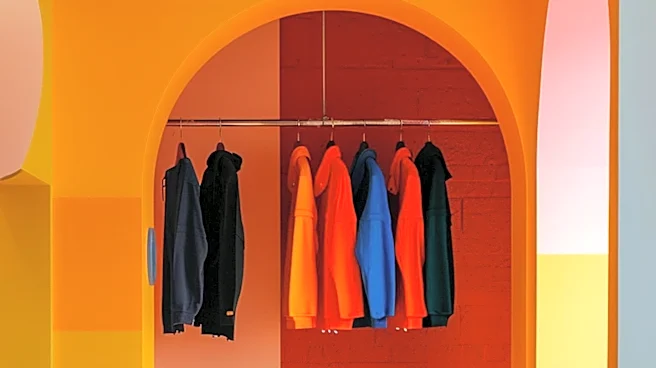
impact on how people perceive and interact with spaces. According to AkzoNobel, color can make environments feel more grounded, support concentration, and reduce stress, moving beyond mere aesthetics to shape emotional memories and set expectations. The built environment is evolving to prioritize well-being, accessibility, and lived experience, with color central to this shift. This includes recognizing neurodiversity, where certain color combinations or intensities can cause sensory overwhelm for some individuals, while overly neutral spaces can feel cold. AkzoNobel advocates for testing color in real-world conditions to design more reliable, comfortable, and intuitive spaces.
Why It's Important?
The recognition of color's impact on well-being by companies like AkzoNobel signifies a growing trend in design and architecture, particularly within the U.S. built environment sector. This shift moves away from purely efficiency-driven designs towards spaces that cater to the full spectrum of human experience, including neurodiversity. For businesses, this means a potential increase in demand for specialized color consulting and products that promote mental and emotional comfort in offices, healthcare facilities, and residential buildings. Industries involved in interior design, construction, and real estate stand to gain by incorporating these principles, potentially leading to more appealing and functional spaces. Conversely, those who fail to adapt to these evolving design philosophies might find their offerings less competitive. The emphasis on creating inclusive environments also aligns with broader societal goals of accessibility and mental health awareness, impacting public policy discussions around urban planning and building codes.
What's Next?
The focus on color's psychological effects is likely to drive further research and development in paint and material science, aiming to create products that optimize specific emotional and cognitive responses. We can anticipate an increase in demand for designers and architects with expertise in color psychology and neuro-inclusive design. Educational institutions may also begin to integrate these concepts more deeply into their curricula. Furthermore, as awareness grows, consumers and businesses may become more discerning about the color schemes in their environments, potentially leading to new industry standards or certifications for 'well-being-certified' spaces. This could also influence public sector projects, with government buildings and public spaces adopting color strategies to enhance user experience and reduce stress.
Beyond the Headlines
The deeper implications of AkzoNobel's insights extend to the ethical responsibility of designers and developers to create environments that genuinely support human well-being. Beyond aesthetics, color choices can subtly influence mood, productivity, and even social interaction. This raises questions about how color can be intentionally used to foster positive behaviors or mitigate negative ones in various settings, from schools to hospitals. The recognition of neurodiversity in color perception also highlights the need for more inclusive design practices, moving beyond a 'one-size-fits-all' approach. This could lead to a re-evaluation of existing color standards and a greater appreciation for the subjective and diverse ways individuals experience their surroundings, potentially fostering a more empathetic approach to environmental design.