



What's Happening?
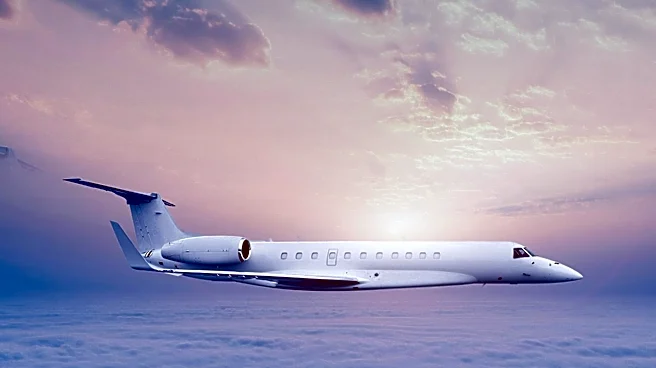
Piero Ferrari, the vice chairman of Ferrari and the only living son of the company's founder Enzo Ferrari, has acquired a new Bombardier Challenger 3500 jet. This acquisition is intended to facilitate his travel to Formula 1 races and other business engagements.
The Challenger 3500, unveiled in 2021, is a successor to the Challenger 350 and features several innovations from Bombardier's Global 7500 flagship, including a voice-controlled cabin and 'antigravity' Nuage seats. The jet also boasts a reduced cabin altitude, improved soundproofing, a larger galley, and a 24-inch 4K video display. The Challenger 3500 has become a leader in the super-midsize jet category, with the 200th unit recently delivered, highlighting its popularity and success.
Why It's Important?
The acquisition of the Bombardier Challenger 3500 by Piero Ferrari underscores the growing demand for advanced business jets in the super-midsize category. This trend reflects a broader market shift towards more luxurious and technologically advanced private travel options, catering to high-profile individuals and executives. The Challenger 3500's success is indicative of Bombardier's strong position in the aviation industry, particularly in the business jet segment. The jet's features, such as customizable interiors and advanced technology, appeal to a clientele seeking both comfort and efficiency. This development also highlights the importance of private aviation in facilitating global business operations and high-profile events like Formula 1 races.
What's Next?
As Bombardier continues to deliver the Challenger 3500, the company is likely to maintain its leadership in the super-midsize jet market. The ongoing demand for such aircraft suggests that Bombardier may further innovate and expand its offerings to meet the evolving needs of its clientele. Additionally, the customization options available for the Challenger 3500 could lead to more personalized and unique aircraft configurations, attracting a diverse range of customers. The continued success of the Challenger 3500 may also prompt competitors to enhance their own offerings, potentially leading to advancements in the business aviation sector.