


What's Happening?
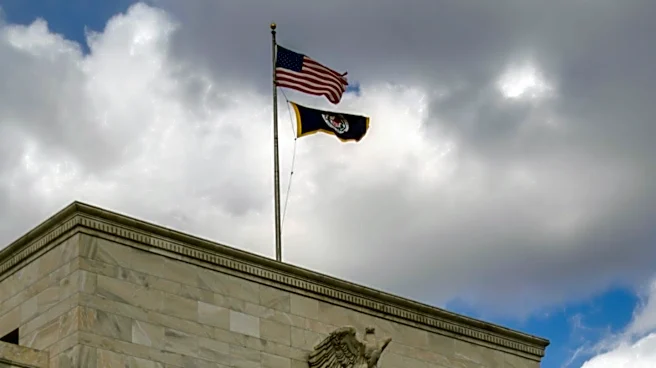
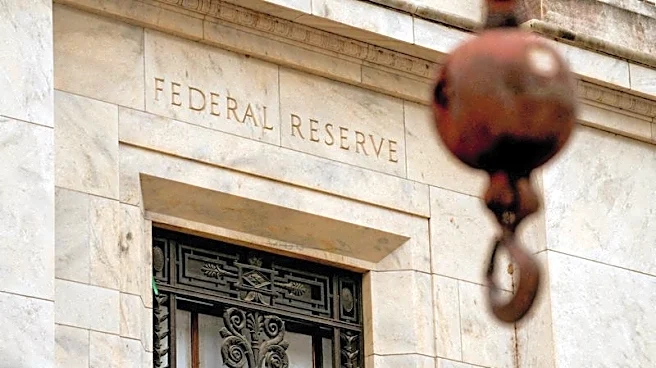
Federal Reserve officials are signaling a strong likelihood of continued aggressive interest rate hikes to combat persistent high inflation. Market measures indicate a 93.9% probability of a 25-basis-point increase in December, with a 6.1% chance of a 50-basis-point
move. Philadelphia Fed President Anna Paulson stated that further tightening is necessary to contain inflation. Federal Reserve Governor Christopher Waller suggested a half-percentage-point hike might be needed in December, expressing concern about inflation spreading. Governor Lisa Cook also emphasized the urgency for the Fed to act decisively. The hawkish stance follows the release of minutes from the central bank's October policy meeting, which revealed that almost all officials believed more rate hikes would be appropriate. This comes as U.S. economic data shows weakening activity, with initial claims for unemployment benefits increasing, industrial production declining, and building permits falling, while the Philadelphia Fed's manufacturing index dropped sharply. Despite this, the survey's prices paid index rose, highlighting renewed pressure on manufacturers' input costs, complicating the Fed's monetary policy outlook.
Why It's Important?
The Federal Reserve's commitment to aggressive interest rate hikes has significant implications for the U.S. economy and financial markets. Higher interest rates increase borrowing costs for consumers and businesses, impacting everything from mortgages and credit card debt to corporate investments. This could further slow economic activity, potentially leading to job losses and reduced consumer spending, as the Fed prioritizes inflation control over economic growth. Industries reliant on borrowing, such as real estate and manufacturing, are particularly vulnerable. The dollar index has strengthened to its highest level since April 2025, and the benchmark 10-year Treasury yield remains near 5.0%, reflecting investor expectations of elevated borrowing costs. While these measures aim to curb inflation, they also risk pushing the economy into a deeper slowdown. Investors are closely watching upcoming economic data, including the University of Michigan consumer sentiment survey and speeches by Fed officials, for further clues on the central bank's trajectory, as these decisions will shape the economic landscape for the foreseeable future.
What's Next?
Investors are keenly awaiting Friday's final November University of Michigan consumer sentiment survey, particularly its inflation expectations measures, which could influence Treasury yields. Federal Reserve Governor Christopher Waller and Governor Lisa Cook are scheduled to speak, and their comments will be scrutinized for further indications of the Fed's monetary policy direction. The upcoming December 8-9 Federal Reserve meeting is expected to result in another interest rate hike, with futures pricing a high probability of a 25-basis-point increase. Beyond December, the market is anticipating further rate increases into January and potentially through 2027, as officials remain committed to bringing inflation under control. The interplay between weakening economic activity and persistent price pressures will continue to complicate the Fed's decisions, making future data releases and official statements critical for market participants and economic planning.
Beyond the Headlines
The Federal Reserve's current policy trajectory highlights a critical tension between controlling inflation and sustaining economic growth. The aggressive stance, even in the face of weakening economic indicators, suggests a deep concern within the central bank about the entrenchment of inflation. This approach could lead to a more pronounced economic slowdown, testing the resilience of various sectors and potentially increasing unemployment. The long-term implications include a re-evaluation of investment strategies, as higher interest rates shift capital allocation away from riskier assets. Furthermore, the Fed's actions could influence global monetary policy, as other central banks may feel pressure to follow suit to maintain currency stability and manage their own inflation challenges. The emphasis on 'shocking people' with aggressive actions underscores a willingness to endure short-term economic pain for what the Fed perceives as long-term stability, raising questions about the social and political tolerance for such measures.