






What's Happening?
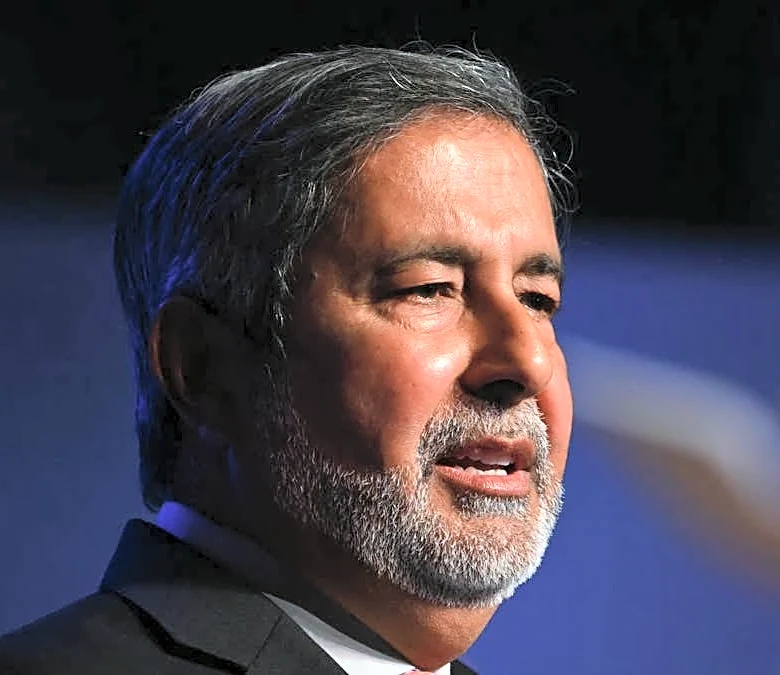
ProText Mobility, Inc. (TXTM) has announced that its Chairman is participating as the first pilot client in ABSA Bank's digital-asset custody onboarding process. This development is a significant step in TXTM's strategy to connect real-world assets (RWA)
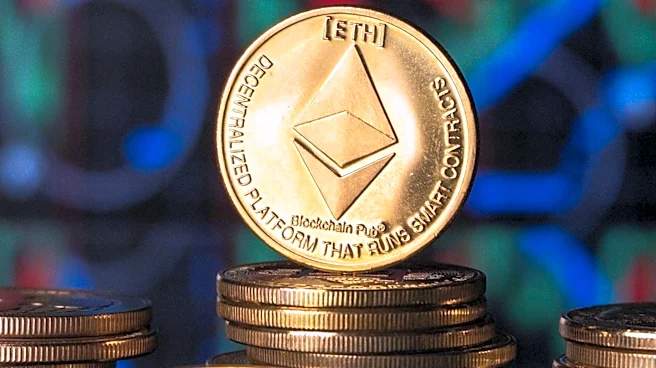
with proprietary technology, digital tokenization, and regulated institutional financial infrastructure. The company aims to develop a scalable ecosystem that links real-world economic activity with the emerging digital financial economy. ABSA's confirmation of the pilot program is crucial for TXTM's broader corporate strategy, which includes an intended uplist to a regulated exchange. The pilot will help ABSA test and refine the operational, governance, risk, and compliance requirements for supporting tokenized assets within a regulated banking environment. TXTM has already deployed its SVLT tokenization infrastructure, which uses an ERC-3643 permissioned token architecture designed to support institutional requirements for identity, compliance, and administrative functionality. The company's agricultural seed initiative has already been tokenized using this infrastructure.
Why It's Important?
This development is important as it signifies a move towards integrating real-world assets into the institutional digital financial landscape. The participation of ProText Mobility's Chairman in ABSA's pilot program validates the company's approach to building a robust infrastructure for tokenized assets. For the broader financial industry, this pilot could set a precedent for how traditional banks engage with digital assets, potentially increasing confidence and adoption of tokenization for various asset classes. The focus on governance, risk, and compliance within a regulated banking environment addresses key concerns that have historically hindered the mainstream acceptance of digital assets. A successful pilot could pave the way for other companies to tokenize their assets and integrate them into institutional financial systems, fostering greater liquidity and accessibility for a wider range of real-world assets. This initiative also supports TXTM's goal of uplisting to a regulated exchange, which would enhance its institutional readiness and potentially attract more significant investment.
What's Next?
ProText Mobility will continue to advance the next phase of its roadmap, focusing on progressing ABSA's custody onboarding, cybersecurity, and operational requirements. The company will also further develop SVLT's institutional governance, compliance, and asset administration infrastructure. A key priority is continuing its IFRS audit and financial reporting program, which includes completing audits for 2024 and 2025. TXTM plans to develop qualifying assets and commercial opportunities through its existing strategic relationships, such as those with Brightly Ventures and B Terra Corp. The company will also continue to advance its intended regulated-exchange uplist strategy and evaluate appropriate institutional financing pathways. Furthermore, TXTM is exploring a potential secondary listing on the Johannesburg Stock Exchange (JSE) following a successful primary uplist, leveraging the collaboration agreement between the NYSE and JSE on dual listings and the JSE's revised fast-track secondary-listing framework.
Beyond the Headlines
The integration of real-world assets with institutional digital financial infrastructure, as demonstrated by ProText Mobility's pilot with ABSA, has profound implications for global economic development and financial inclusion. This approach could unlock significant value from illiquid assets by making them more accessible and tradable. The emphasis on regulatory compliance and institutional custody is critical for building trust and mitigating risks in the nascent digital asset space. This model could particularly benefit emerging economies and sectors like agriculture and environmental initiatives, by providing new avenues for financing and investment. The company's engagement with Native Nations and its focus on international relationships across BRICS economies, Africa, the Caribbean, and Latin America suggest a broader vision for leveraging technology to support economic development while respecting diverse legal and cultural frameworks. This could lead to more equitable and transparent financial systems, fostering sustainable growth and empowering communities by connecting their real-world resources to global capital markets.