





What's Happening?
The Japanese aesthetic concept of Wabi-sabi is increasingly influencing U.S. interior design and art. This philosophy celebrates the beauty found in imperfection, impermanence, and the natural aging process of objects. It values asymmetry, simplicity,
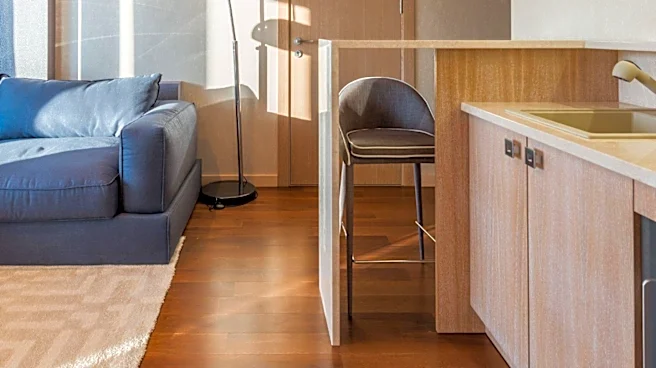
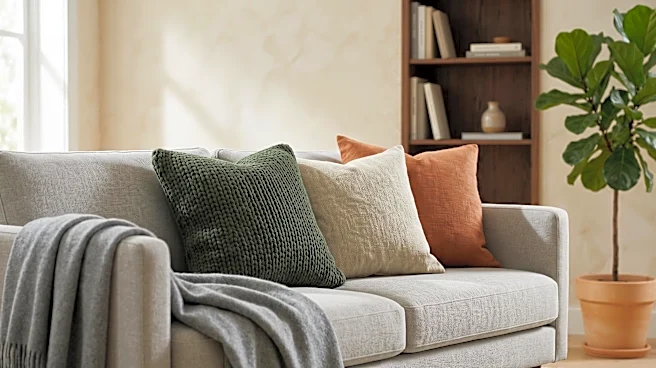
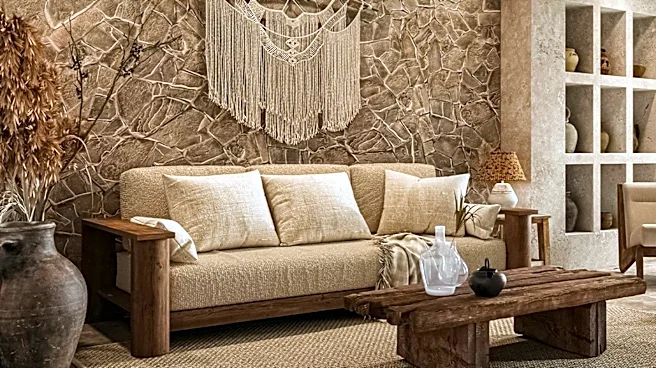
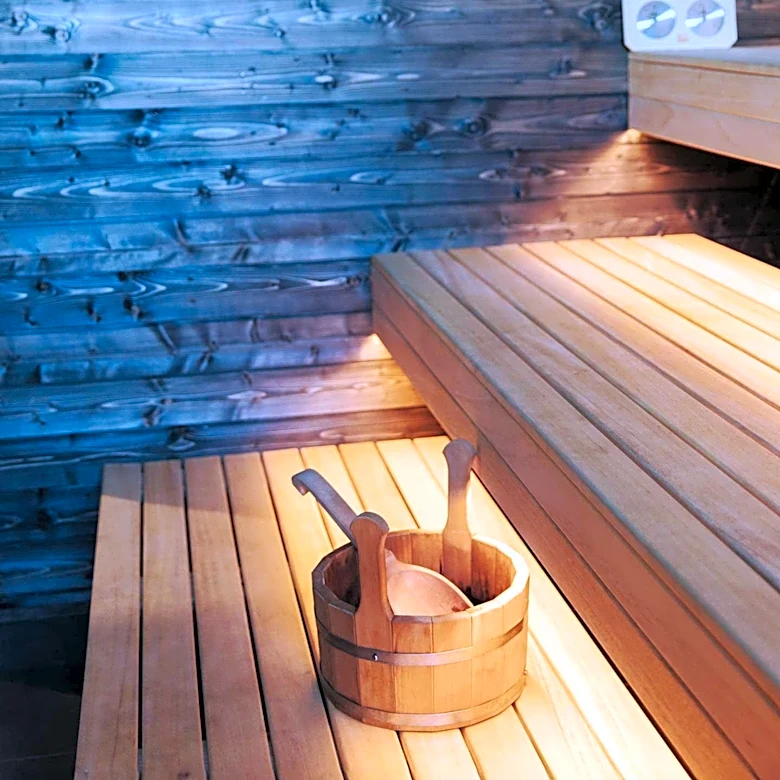
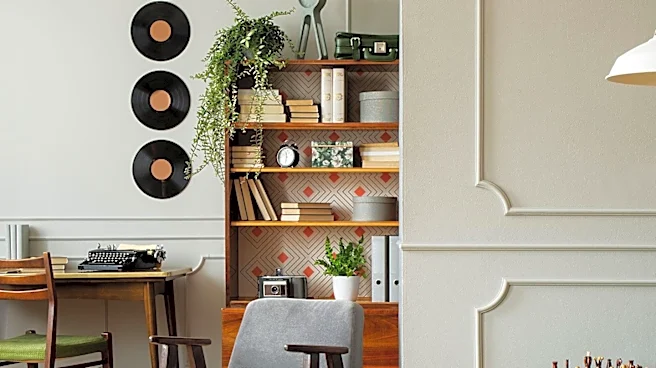
and the marks of time, such as a cracked glaze on a ceramic bowl or the weathered grain of wood. Wabi-sabi is often integrated into the Japandi style, a design fusion that combines Japanese aesthetics with Scandinavian hygge, promoting warm minimalism and an acceptance of transience. This trend is evident in various design elements, from wall art and mirrors to overall home decor, where muted tones, natural materials, and organic shapes are favored to create serene and thoughtful spaces. Designers are incorporating elements that reflect a connection to nature and a sense of quiet, understated elegance, moving away from pristine perfection towards authentic, lived-in beauty.
Why It's Important?
The growing adoption of Wabi-sabi in the U.S. design landscape signifies a shift in consumer preferences towards authenticity and sustainability. This aesthetic encourages appreciation for handmade items and natural materials, potentially boosting demand for artisanal crafts, vintage furniture, and eco-friendly products. For industries like home furnishings, art, and architecture, this trend opens new avenues for product development and marketing, focusing on unique textures, muted palettes, and organic forms. It also reflects a broader cultural movement towards mindfulness and a slower pace of life, where imperfections are seen as character rather than flaws. This can influence consumer behavior, encouraging investment in durable, meaningful pieces over mass-produced, disposable goods, thereby impacting supply chains and manufacturing practices to prioritize craftsmanship and natural sourcing.
What's Next?
As Wabi-sabi continues to gain traction, expect to see its principles more widely integrated into mainstream U.S. retail and residential design. Interior designers and architects will likely incorporate more natural, raw materials like unfinished wood, concrete, and linen, along with asymmetrical layouts and vintage elements. Manufacturers may respond by producing goods that intentionally feature subtle imperfections, distressed finishes, and earthy color palettes. Educational workshops and design courses focusing on Wabi-sabi principles could also become more prevalent, further embedding this aesthetic into the design community. The trend may also extend beyond interiors into fashion and lifestyle products, as consumers seek to align their personal environments with values of simplicity, authenticity, and connection to nature.
Beyond the Headlines
The embrace of Wabi-sabi in the U.S. goes beyond mere aesthetic preference; it reflects a deeper cultural yearning for grounding and authenticity in an increasingly digital and fast-paced world. Ethically, it promotes a more sustainable consumption model by valuing longevity and the beauty of wear and tear, counteracting the 'throwaway' culture. Legally, this shift might influence intellectual property in design, as the emphasis moves from perfect replication to unique, imperfect creations, potentially challenging mass production norms. Culturally, it represents an ongoing cross-cultural exchange, where Eastern philosophies are integrated into Western lifestyles, fostering a broader appreciation for diverse aesthetic values. This movement could lead to a re-evaluation of what constitutes 'luxury' and 'beauty,' shifting focus from pristine newness to the rich narrative embedded in aged and imperfect objects.