







What's Happening?
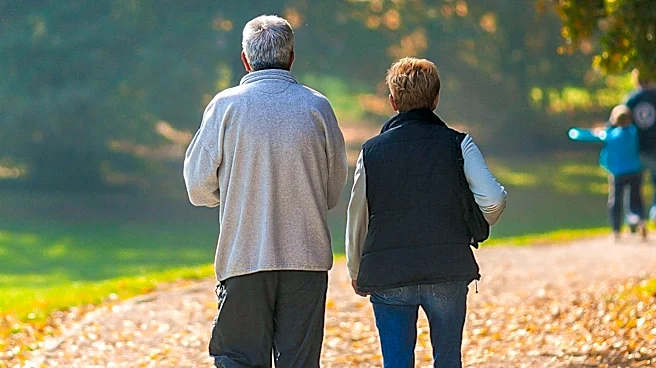
Walking, even in short, low-intensity bursts, provides substantial health advantages, according to recent findings. These benefits encompass improved cardiovascular health, better blood glucose management post-meals, enhanced mood, and reduced stress
levels. Regular walking also contributes to increased endurance, confidence, and effective weight management, while supporting overall heart and lung fitness. The 'Japanese walking method,' a form of interval walking training (IWT), alternates between three minutes of low-intensity and three minutes of high-intensity walking, repeated five times for a 30-minute workout. This method, popularized by Japanese researchers, is highlighted for its ability to improve cardiovascular endurance and physical fitness by varying speed. Dr. Lauren Wichman, a sports medicine specialist, notes that IWT is a low-cost, accessible aerobic exercise that can take pressure off joints, increase calorie burn, and improve metabolic health by lowering blood pressure, blood sugar, and BMI. Consistent aerobic exercise like IWT may also contribute to a longer life and protect against age-related declines in fitness.
Why It's Important?
The emphasis on walking's broad health benefits is crucial for public health initiatives in the U.S., where sedentary lifestyles contribute to a high prevalence of chronic diseases such as heart disease, diabetes, and obesity. Promoting accessible and low-cost activities like walking can significantly impact national health outcomes, potentially reducing healthcare burdens and improving the quality of life for millions. The 'Japanese walking method' offers a structured approach that can be easily integrated into daily routines, making it particularly beneficial for individuals seeking to improve their fitness without requiring specialized equipment or gym memberships. This accessibility is vital for diverse populations, including those with conditions like arthritis who benefit from low-impact activities. By highlighting the tangible improvements in metabolic health, cardiovascular function, and mental well-being, these findings empower individuals to take proactive steps towards better health, fostering a more active and resilient society.
What's Next?
Given the clear benefits, public health organizations and healthcare providers in the U.S. are likely to further promote walking as a primary form of exercise. Educational campaigns could focus on integrating methods like interval walking into daily routines, emphasizing its low-impact nature and accessibility. Employers might consider implementing walking programs to encourage employee wellness, potentially leading to reduced absenteeism and increased productivity. Fitness apps and wearable technology could also incorporate structured walking programs, including interval training, to guide users and track progress. Further research may explore the long-term impacts of consistent walking on specific health conditions and its role in preventative care. The focus will likely be on making walking an integral part of a holistic approach to health, encouraging individuals to meet recommended aerobic exercise guidelines through simple, consistent efforts.
Beyond the Headlines
The widespread adoption of walking as a primary health intervention could lead to broader societal shifts beyond individual health. Increased pedestrian activity might spur urban planning initiatives to create more walkable communities, improving infrastructure like sidewalks, parks, and green spaces. This could foster stronger community ties and reduce reliance on vehicular transport, contributing to environmental benefits. Ethically, promoting walking as a fundamental health practice underscores the importance of accessible health solutions that do not exacerbate socioeconomic disparities, as it requires minimal financial investment. Culturally, a renewed appreciation for walking could challenge the prevailing sedentary norms, encouraging a more active lifestyle that integrates physical activity seamlessly into daily life, rather than viewing it as a separate, often burdensome, chore. This could lead to a more health-conscious and environmentally sustainable society.