






What's Happening?
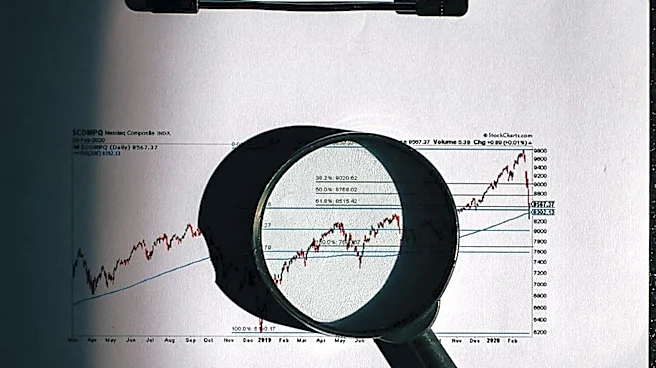
The Motley Fool is advising investors to focus on the fundamental purpose of their investment portfolios, especially during periods of market volatility. This guidance comes after a week where the S&P 500 experienced a 3.7% drop, entering correction territory,
and the Nasdaq Composite erased its 2026 gains. The market swings included the largest IPO ever, Anthropic, whose shares fluctuated significantly after its debut. Other contributing factors to market pressure include persistent inflation, potential Federal Reserve rate hikes, and a slowdown in growth among some AI companies. The Motley Fool emphasizes that understanding 'what your money is for' is crucial for making sound investment decisions, rather than reacting impulsively to daily market fluctuations. They categorize portfolios into 'Odyssey' (still receiving new funds) and 'Phoenix' (funded once and drawn upon), suggesting different strategies for each during downturns.
Why It's Important?
This advice is important for U.S. investors as it promotes a disciplined, long-term approach to investing, which can mitigate the emotional impact of market downturns. By encouraging investors to define their portfolio's purpose—whether it's for growth, income, ethical investing, or education—The Motley Fool helps individuals align their investments with their personal financial goals. This strategy can prevent panic selling during corrections, which historically can lead to missing subsequent market rebounds. For those nearing retirement or relying on their portfolio for living expenses (Phoenix portfolios), the recommendation to have a cash cushion is vital to avoid selling assets at unfavorable prices. For younger investors or those still contributing (Odyssey portfolios), market dips can present opportunities to buy more shares at lower prices, reinforcing the 'buy low' principle.
What's Next?
Investors are encouraged to review their portfolios and clearly define their investment purpose. For those with an 'Odyssey' portfolio and a long-term horizon (five years or more), the recommendation is to maintain their regular buying schedule, as lower prices mean more shares for the same investment. 'Phoenix' investors, or those needing funds sooner, are advised to ensure their portfolio isn't entirely exposed to market fluctuations and to gradually shift assets if necessary during calmer market periods. The Motley Fool also suggests re-evaluating the underlying vision for investments, particularly in sectors like AI, to determine if the long-term outlook has changed or if only prices have been affected. This ongoing assessment helps investors stay aligned with their original strategies rather than being swayed by short-term market noise.
Beyond the Headlines
The emphasis on portfolio purpose extends beyond mere financial strategy; it touches upon behavioral economics in investing. Human emotions often drive investors to buy high and sell low, contrary to optimal investment principles. By anchoring investment decisions to a clearly defined purpose, investors can build resilience against psychological biases triggered by market volatility. This approach fosters a more rational decision-making process, promoting patience and long-term thinking over reactive short-term trading. Furthermore, the concept of aligning investments with a 'best vision for our future' introduces an ethical and aspirational dimension to personal finance, encouraging investors to support companies that reflect their values, whether environmental, social, or governance-related. This deeper engagement with investment choices can lead to more fulfilling and sustainable financial journeys.