







What's Happening?
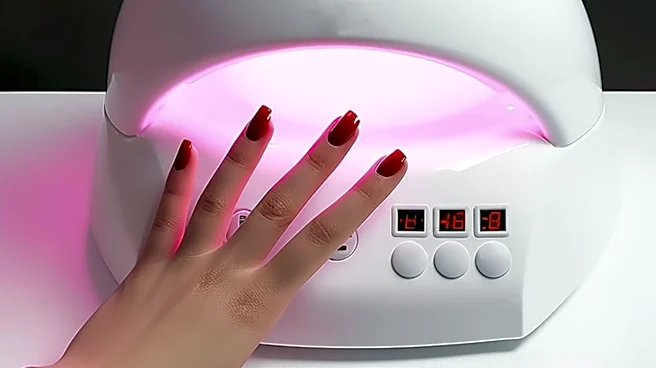
Red light therapy, also known as photobiomodulation or low-level light therapy, involves the use of devices that emit specific wavelengths of red or near-infrared light. These devices are available in various forms, such as panels, masks, and handheld
units, and are used both in clinical settings and at home. The therapy is believed to influence cellular signaling, circulation, and inflammatory processes by penetrating the skin to different depths. While some evidence suggests potential benefits for certain applications like wound healing and pain relief, claims that red light therapy can cure diseases or replace medical treatment are not well-supported. The effectiveness of the therapy can vary based on the device, treatment settings, and individual conditions.
Why It's Important?
The significance of red light therapy lies in its potential to offer non-invasive treatment options for various conditions, such as skin changes and temporary pain relief. However, the lack of consistent evidence supporting its efficacy for broader medical applications raises concerns about its use as a substitute for traditional medical treatments. The therapy's popularity highlights the need for consumers to be informed about its limitations and to consult healthcare professionals before use, especially for individuals with specific health conditions or those taking medications that increase light sensitivity.
What's Next?
As research continues, the medical community may gain a clearer understanding of the specific conditions and settings where red light therapy is most effective. Healthcare providers may increasingly consider it as an adjunct to standard care for certain conditions, provided that patients have realistic expectations and use the devices safely. Ongoing studies in dermatology, rehabilitation, and wound care will likely contribute to refining treatment protocols and device standards.
Beyond the Headlines
The growing interest in red light therapy reflects a broader trend towards exploring alternative and complementary therapies. This trend underscores the importance of rigorous scientific evaluation to ensure that such therapies are both safe and effective. Ethical considerations also arise regarding the marketing of these devices, as consumers may be misled by exaggerated claims of benefits without sufficient evidence.