





What's Happening?
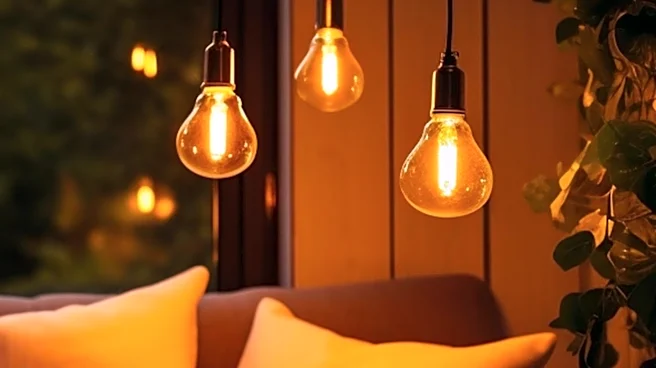
Mood lighting is characterized as ambient illumination that provides a warm, soft glow, distinct from bright light used for tasks like reading or working. This type of lighting is designed to set a specific atmosphere, often for evenings and relaxation.
Mood lamps are typically compact and can seamlessly integrate into various home interior designs. The concept extends to 'emotional lighting,' which views light as an integral component of a room's atmosphere, rhythm, and identity. For instance, warm white light, ranging from 2200K to 3000K, is considered ideal for living areas such as living rooms, dining rooms, and bedrooms, as it fosters a relaxing and inviting environment, akin to candlelight. In contrast, neutral white light (3300K-4500K) is more dynamic and suitable for areas requiring good visibility, like kitchens or offices, while cool white light (over 5000K) is reserved for functional spaces like garages. The practicality of mood lighting is enhanced by features such as dimmability, allowing users to adjust light intensity from bright for work to subdued for relaxation.
Why It's Important?
The emphasis on mood lighting reflects a broader trend in interior design and consumer preferences towards creating personalized and emotionally resonant living spaces. This shift impacts the lighting industry by driving demand for products that offer aesthetic appeal and atmospheric control, rather than just functional illumination. Consumers stand to gain from improved well-being and comfort within their homes, as appropriate lighting can significantly influence mood and relaxation. For businesses in the home decor and lighting sectors, understanding and catering to this demand is crucial for market competitiveness. The integration of features like dimmability and app-controlled LED systems indicates a move towards smart home solutions, where lighting plays a key role in overall home automation and user experience. This also highlights the importance of color temperature in lighting choices, as it directly correlates with the intended use and emotional impact of a space, guiding both manufacturers in product development and consumers in purchasing decisions.
What's Next?
The trend towards mood lighting is likely to continue evolving with advancements in smart home technology and LED capabilities. Future developments may include more sophisticated integration with AI-driven home systems that can automatically adjust lighting based on time of day, user activity, or even biometric data to optimize mood and well-being. We can anticipate an increase in customizable lighting solutions, offering a wider spectrum of colors and dynamic effects beyond simple dimming. Manufacturers will likely focus on developing more energy-efficient and aesthetically versatile mood lighting products that can be seamlessly integrated into diverse architectural styles. The market may also see a rise in lighting solutions that incorporate circadian rhythm principles, further enhancing the health and wellness benefits of ambient lighting. Additionally, as consumers become more aware of the psychological impact of light, there could be a greater demand for professional lighting design services that specialize in creating specific moods and atmospheres within residential and commercial spaces.
Beyond the Headlines
The growing emphasis on mood lighting extends beyond mere aesthetics, touching upon deeper psychological and physiological implications. The deliberate use of warm, soft light for relaxation can be seen as a response to the increasing demands of modern life, offering a sanctuary within the home. This trend underscores a cultural shift towards prioritizing personal well-being and creating environments that support mental and emotional health. From a design perspective, it highlights the evolving role of light as a fundamental element in shaping human experience, moving beyond its utilitarian function to become a tool for emotional regulation and sensory engagement. Ethically, the development of 'emotional lighting' raises questions about the potential for technology to subtly influence human behavior and mood, prompting considerations for responsible design and usage. Furthermore, the focus on customizable and smart lighting solutions reflects a broader societal move towards personalization and control over one's immediate environment, indicating a desire for spaces that are not just functional but also deeply resonant with individual needs and preferences.