






What's Happening?
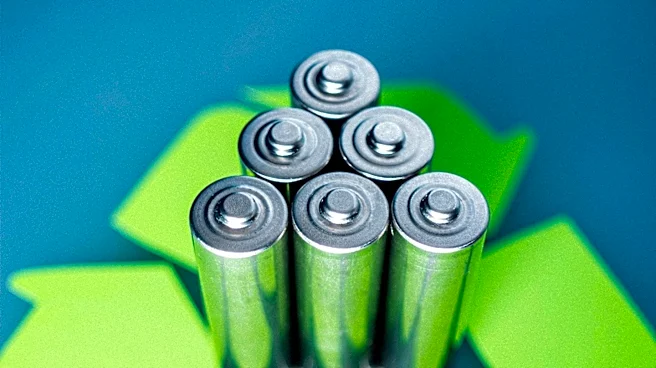
The battery industry is heavily investing in the development of solid-state lithium-ion batteries, which promise significant advancements over traditional liquid electrolyte batteries. These next-generation batteries are designed with a solid electrolyte,
offering improvements in energy density, safety, and cycle life. Current advancements are categorized into three types: semi-solid-state, quasi-solid-state, and all-solid-state. Semi-solid-state batteries, which still contain 5% to 20% liquid, are currently available and provide modest improvements in safety and energy density. True solid-state batteries, however, aim to replace graphite or silicon-graphite anodes with pure lithium-metal anodes, potentially increasing energy density by up to 60% on a watt-per-weight basis. This transition is expected to dramatically reduce fire and thermal runaway risks due to the removal of flammable organic solvents and extend battery life by minimizing parasitic reactions.
Why It's Important?
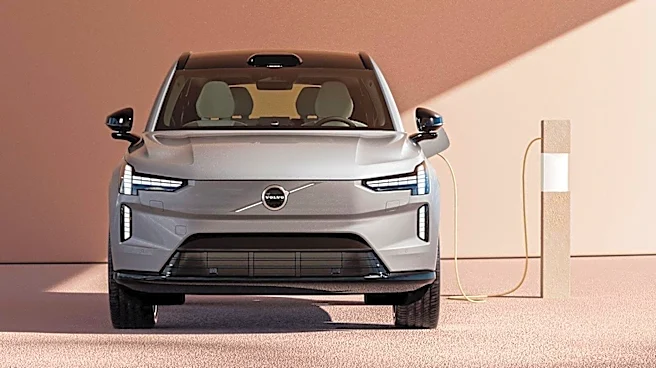
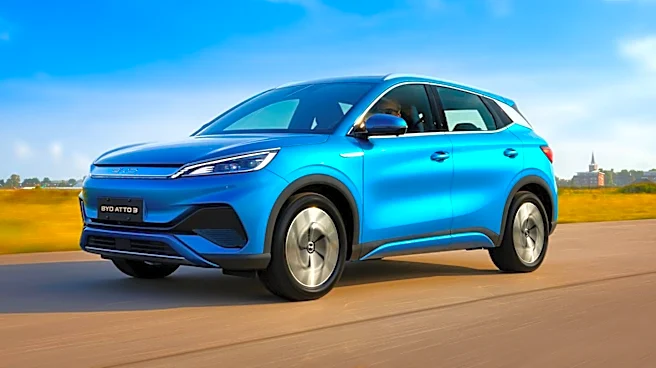
The widespread adoption of solid-state batteries could revolutionize various industries, particularly automotive and aerospace, where high specific energy is crucial. For electric vehicles, this technology promises significantly longer ranges and faster charging times, with the potential to charge from 10% to 80% in just 15 minutes, though this performance is currently confined to testing labs. The enhanced safety features, stemming from the elimination of flammable liquid electrolytes, would also address a major concern associated with current lithium-ion batteries. While the United States has reportedly scaled back its focus on electric vehicles, the global embrace of EVs continues, making the investment in solid-state technology a critical factor for international competitiveness and technological leadership. The long-term benefits of increased energy density and cycle life will also reduce the frequency of battery replacements, offering economic advantages to consumers and businesses.
What's Next?
The progression from semi-solid to quasi-solid to all-solid-state batteries is an ongoing process, with billions of dollars being poured into research and development to close the technological gap. While semi-solid-state batteries are already on the market, fully solid-state batteries are not yet commercially available for applications like marine use. Most cell manufacturers are targeting the latter half of this decade for the commercial viability of all-solid-state batteries, with initial applications likely appearing in electric vehicles before other sectors. Challenges remain, including the slower shuttling of lithium ions in solid electrolytes, which can negatively impact cold-weather performance, and higher manufacturing costs due to less mature production processes. The industry will continue to focus on overcoming these hurdles to bring the full benefits of solid-state technology to market.
Beyond the Headlines
The shift towards solid-state batteries represents a fundamental change in energy storage technology, moving beyond incremental improvements to a potentially disruptive innovation. This development has broader implications for energy independence and sustainability, as more efficient and safer batteries can accelerate the transition away from fossil fuels. The ethical considerations around raw material sourcing, particularly lithium, nickel, and cobalt, will also evolve as new battery chemistries become dominant. Furthermore, the increased longevity and safety of solid-state batteries could lead to new business models, such as battery-as-a-service, and expand the use of batteries beyond vehicles into stationary energy storage, enhancing grid resilience and emergency power solutions. The long-term impact could reshape global supply chains and manufacturing processes, fostering new economic opportunities and technological leadership in countries that successfully commercialize these advanced battery systems.