





What's Happening?
Recent discussions and research are challenging the misconception that eating meat is essential for masculinity or superior athletic performance. Despite the prevalence of 'gym bro' influencers promoting carnivore diets, studies indicate little to no
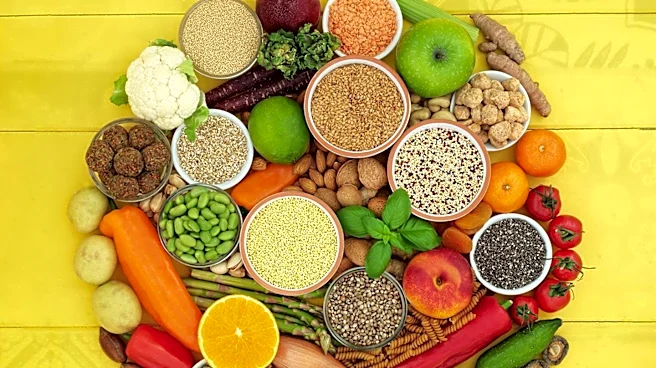
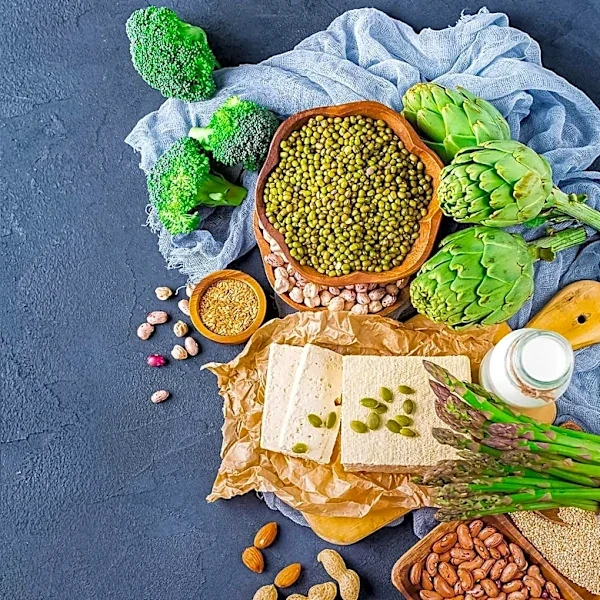
difference in physical performance between individuals on omnivorous and vegan diets. For endurance, plant-based diets may even offer advantages due to quicker energy accessibility from carbohydrates, improved heart health, and better skeletal muscle density. While some argue that vegans might lack creatine, which aids muscle growth, it is easily supplemented, and many non-vegan athletes also use it. The notion that plant-based diets lack sufficient protein is also being debunked, with sources like seitan, tempeh, lentils, beans, and oats providing ample protein. The term 'Soy Boy,' originating from far-right internet culture, is highlighted as a scientifically inaccurate and misogynistic attempt to link soy consumption and veganism to a lack of manliness.
Why It's Important?
This information is important for U.S. society as it addresses and debunks harmful stereotypes and misinformation surrounding diet, masculinity, and health. By clarifying that plant-based diets are nutritionally adequate for athletes and do not diminish masculinity, it can empower individuals to make dietary choices based on health, ethics, or environmental concerns without fear of social stigma. This shift in understanding can promote healthier eating habits across genders and challenge rigid gender norms. For the food industry, it signals a growing market for diverse plant-based protein sources and supplements. For public health, it supports dietary diversity and can contribute to reducing the environmental impact associated with high meat consumption, aligning with broader sustainability goals.
What's Next?
The ongoing debunking of these myths is likely to continue through educational campaigns and further research. Athletes and fitness enthusiasts may increasingly explore and adopt plant-based diets, supported by readily available supplements like creatine. The food industry will likely respond by expanding its range of plant-based protein products and fortified foods to meet growing demand. Socially, there may be a continued erosion of traditional gender stereotypes linked to diet, fostering a more inclusive understanding of masculinity and health. This could lead to a more open dialogue about dietary choices and their broader implications beyond physical appearance or outdated cultural norms.
Beyond the Headlines
The debate over diet and masculinity delves into deeper cultural and ethical considerations. The association of meat-eating with strength and manliness reflects historical and societal constructs of gender roles, often linking physical prowess and dominance to animal consumption. Challenging these notions encourages a re-evaluation of what constitutes 'masculinity' in modern society, moving beyond physical attributes to encompass empathy, ethical choices, and personal well-being. This broader perspective can foster a more compassionate and progressive understanding of human identity, where dietary choices are seen as personal health decisions rather than markers of gender conformity. It also highlights the influence of internet culture and social media in perpetuating or dismantling such stereotypes.