







What's Happening?
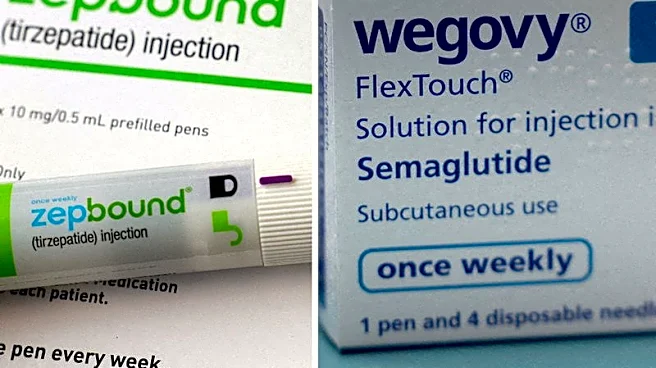
Novo Nordisk, the Danish pharmaceutical company known for its weight-loss drug Ozempic, has filed a lawsuit against its U.S. competitor Eli Lilly. The lawsuit accuses Eli Lilly of disseminating 'false and materially misleading' advertisements for its weight-loss and anti-diabetes
treatments, Zepbound and Mounjaro. Novo Nordisk claims that Eli Lilly used outdated studies to compare its highest doses against lower doses of Novo Nordisk's medications, creating a misleading impression of superiority. The advertisements in question were broadcast during major global sporting events and on social media platforms like TikTok and Facebook, leading to widespread public confusion. Eli Lilly has defended its advertising campaign, stating that it is based on the Surmount-5 trial, which is the only direct, head-to-head randomized clinical trial comparing the two companies' drugs in the context of weight management.
Why It's Important?
This legal battle highlights the intense competition in the lucrative weight-loss drug market, which is projected to grow significantly in the coming years. Accurate advertising is crucial in this industry, as it directly impacts consumer choices and public health. Misleading claims can lead to patients making uninformed decisions about their health, potentially affecting their treatment outcomes. The outcome of this lawsuit could set a precedent for how pharmaceutical companies advertise their products, emphasizing the need for transparency and accuracy in public health communications. The case also underscores the broader issue of how companies use scientific data in marketing, which can have significant implications for regulatory practices and consumer trust.
What's Next?
If Eli Lilly does not voluntarily withdraw the contested advertisements, Novo Nordisk plans to file a motion seeking a preliminary injunction to block them. The legal proceedings will likely involve detailed scrutiny of the clinical data and advertising practices of both companies. The case could attract attention from regulatory bodies, which may consider revising guidelines on pharmaceutical advertising. Stakeholders, including healthcare providers and patients, will be closely monitoring the developments, as the outcome could influence future marketing strategies and regulatory policies in the pharmaceutical industry.