

What's Happening?
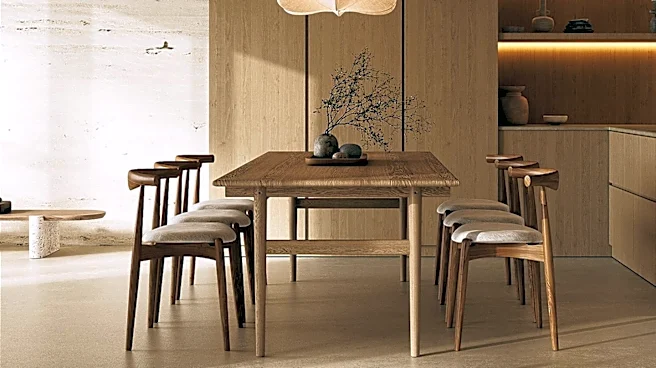
Japandi style, a fusion of Japanese and Scandinavian design philosophies, is gaining popularity for its ability to combine minimalism with warmth. This aesthetic emphasizes natural materials, organic textures, and comfortable proportions, deliberately
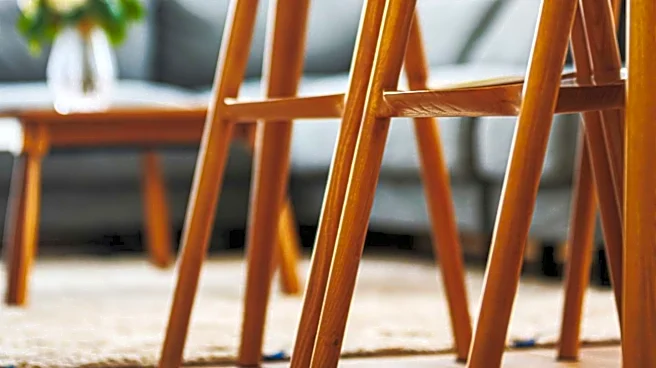
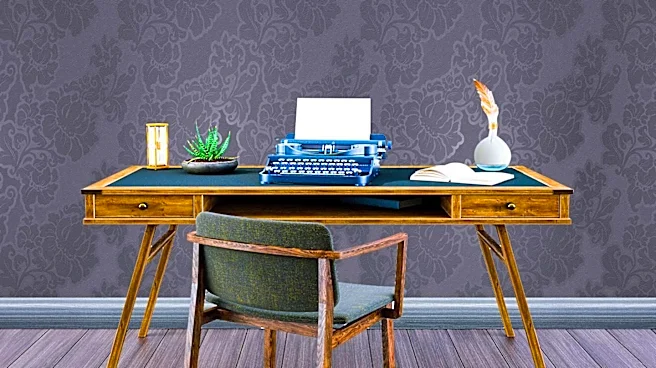
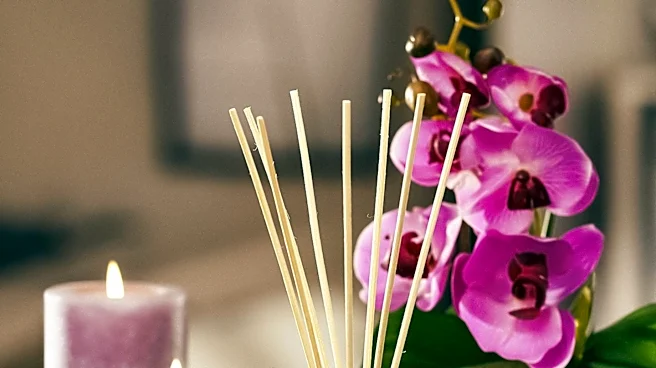
avoiding the starkness often associated with purely minimalist designs. Key elements include natural wood, understated details, and a focus on craftsmanship to create visual interest rather than excessive ornamentation. The style is versatile, allowing for its application across an entire room or as an accent within a contemporary interior. It aims to create spaces that feel calm, warm, minimal, comfortable, natural, functional, sophisticated, and timeless, making it suitable for various home settings, from spacious primary bedrooms to minimalist apartments.
Why It's Important?
The rise of Japandi style reflects a broader trend in U.S. interior design towards creating more serene and functional living spaces. As consumers increasingly seek comfort and tranquility in their homes, this design approach offers a compelling alternative to more ornate or overly sterile minimalist trends. Its emphasis on natural materials like wood and neutral, earthy color palettes aligns with growing environmental consciousness and a desire for sustainable design choices. For the U.S. furniture and home decor industries, this trend presents opportunities for manufacturers and retailers to cater to a demand for high-quality, understated pieces that prioritize both aesthetics and practicality. It also influences interior designers, who can leverage Japandi principles to create sophisticated yet inviting environments for their clients, potentially shaping future design education and market offerings.
What's Next?
The continued adoption of Japandi style is likely to influence product development in the U.S. home goods market, leading to an increased availability of furniture and decor that embodies its core principles. Consumers can expect to see more streamlined wooden furniture, natural fiber textiles, and earthy color schemes in retail stores. Interior design professionals may further integrate Japandi elements into their projects, potentially leading to specialized design services and educational workshops focused on this aesthetic. The flexibility of the style suggests it will continue to evolve, possibly incorporating new interpretations while retaining its fundamental blend of Japanese simplicity and Scandinavian warmth. This could also lead to a greater appreciation for craftsmanship and natural materials in mass-produced items, pushing manufacturers towards higher quality and more thoughtful design.
Beyond the Headlines
Beyond its aesthetic appeal, Japandi style subtly promotes a lifestyle centered on intentionality and appreciation for simplicity, echoing principles found in both Japanese wabi-sabi and Scandinavian hygge. This cultural fusion encourages a mindful approach to consumption, favoring fewer, higher-quality items over excessive decoration. The style's focus on natural materials and durability also aligns with broader discussions around sustainability and reducing environmental impact in home furnishings. By creating calm and uncluttered environments, Japandi design can contribute to improved well-being and reduced stress for occupants, highlighting the psychological benefits of thoughtfully designed spaces. This shift towards a more conscious and harmonious living environment could have long-term implications for consumer values and the overall design ethos in the U.S.