



What's Happening?
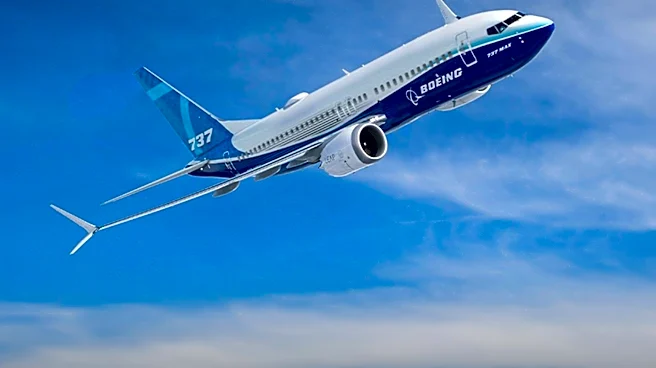
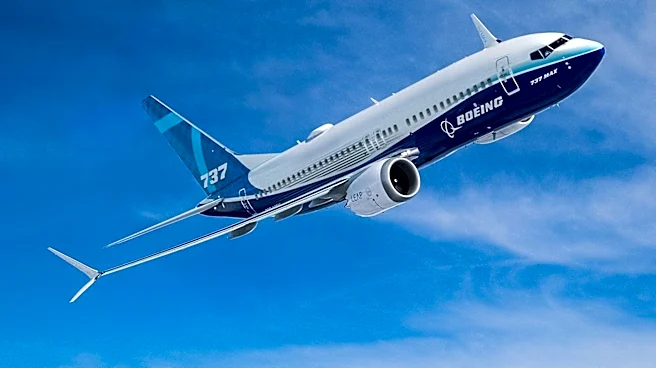
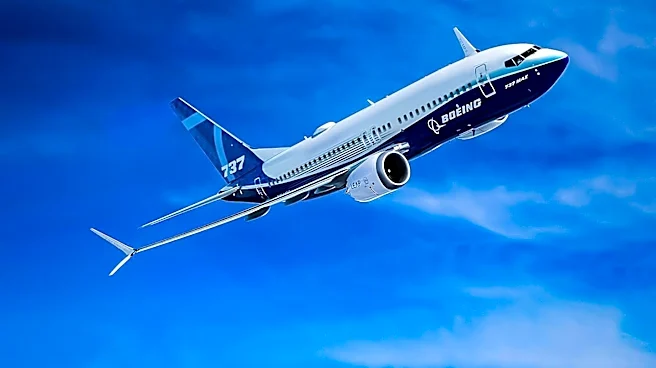
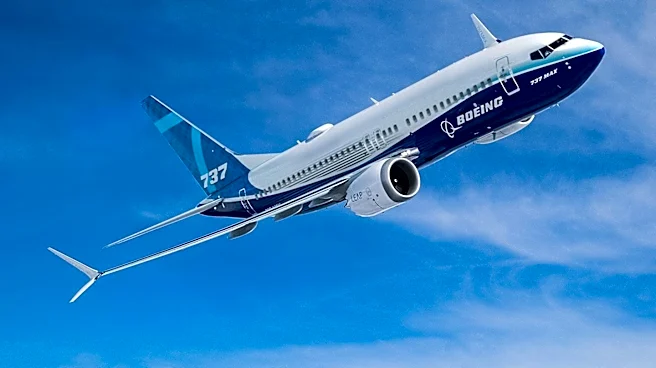
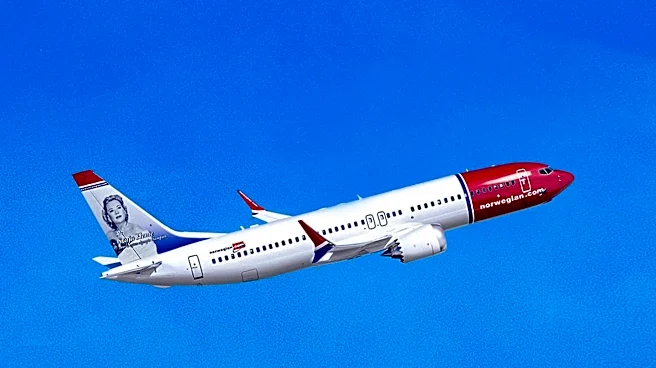
Boeing's 737 MAX 7 received FAA certification on August 3, 2026, after a nine-year review process. However, just two days later, the FAA issued an airworthiness directive requiring inspections on 1,429 MAX jets, including 471 registered in the U.S. The
directive addresses potential structural issues related to surface scratches on the bear strap, a critical component in the aircraft's fuselage. These scratches were inadvertently created during the manufacturing process, raising concerns about production quality at Boeing's facilities.
Why It's Important?
The FAA's directive underscores ongoing challenges in Boeing's production processes and the scrutiny the company faces following past safety issues with the 737 MAX series. The directive affects a significant number of aircraft, potentially impacting airlines that operate these models, such as Southwest Airlines. This development highlights the importance of stringent quality control in aircraft manufacturing and the role of regulatory bodies in ensuring aviation safety. The situation also reflects the broader implications for Boeing's reputation and its ability to deliver reliable aircraft to its customers.
What's Next?
Boeing will need to conduct the required inspections on the affected aircraft to ensure compliance with the FAA directive. The company may also need to address any underlying production issues to prevent similar problems in the future. Airlines operating the 737 MAX models will have to manage the inspection process while minimizing disruptions to their flight schedules. The outcome of these inspections will be closely monitored by industry stakeholders, as it could influence future regulatory actions and Boeing's production strategies.