




What's Happening?
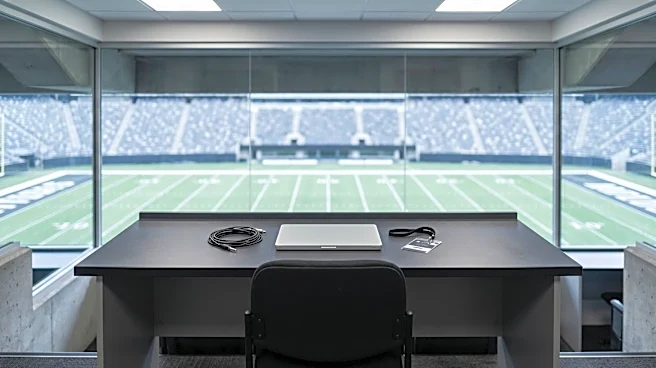
Texas Christian University (TCU) Athletics has fully restored media credentials to the Fort Worth Star-Telegram, a little over a week after rescinding them. The initial revocation stemmed from the newspaper's reporting on a locker room incident involving
former TCU safety Jacob Fields and receiver Dozie Ezukanma. The incident resulted in Ezukanma being hospitalized for three days with a concussion and a brain bleed. TCU had expressed concerns that the coverage led to threats against the victim, although the Star-Telegram did not initially identify Ezukanma. The university stated that productive discussions took place, clarifying their position and resolving to move forward, acknowledging the Star-Telegram's role as an independent news source. The Star-Telegram had faced extensive criticism for its decision to revoke credentials from various organizations and individuals, including the Dallas-Fort Worth Association of Black Journalists and the Football Writers Association of America.
Why It's Important?
This incident highlights the ongoing tension between athletic programs and independent media outlets regarding reporting on sensitive issues. TCU's initial decision to revoke credentials raised concerns about press freedom and transparency in collegiate sports, particularly when reporting on player welfare and internal team matters. The widespread criticism from journalistic organizations underscores the importance of an independent press in holding institutions accountable. The reinstatement of credentials signifies a recognition by TCU of the media's role and the potential negative repercussions of restricting access. This resolution is crucial for maintaining a healthy relationship between sports organizations and the press, ensuring that the public remains informed about events that impact student-athletes and the broader community. It also sets a precedent for how universities handle media relations in the face of critical reporting, emphasizing dialogue over punitive measures.
What's Next?
With the media credentials reinstated, the Fort Worth Star-Telegram will resume its full coverage of TCU athletics. This resolution suggests a potential for improved communication and a more cooperative relationship between TCU Athletics and the newspaper moving forward. Both parties have expressed a desire to move past the dispute, with TCU acknowledging the Star-Telegram's role as an independent news source. This event may lead to a re-evaluation of media access policies by other collegiate athletic programs, encouraging them to consider the broader implications of restricting journalistic freedom. The incident also serves as a reminder for media outlets to continue their commitment to thorough and responsible reporting, even when faced with institutional pressure. The focus will now shift back to the upcoming athletic season, with the Star-Telegram providing comprehensive coverage.
Beyond the Headlines
The dispute between TCU and the Fort Worth Star-Telegram delves into the complex dynamics of power and information control within collegiate sports. The initial revocation of credentials can be seen as an attempt to manage narratives and protect the institution's image, particularly concerning incidents that could negatively impact recruitment or public perception. This situation underscores the vulnerability of independent journalism when confronted by powerful entities. The strong reaction from media organizations and the eventual reversal by TCU demonstrate the collective power of the press and its advocates in upholding journalistic principles. This incident also raises questions about the ethical responsibilities of universities to foster an environment of transparency, especially when dealing with the well-being of student-athletes. The long-term implications could include a renewed emphasis on media ethics within sports journalism and a greater understanding among athletic departments of the importance of an open and accountable relationship with the press.