




What's Happening?
A new book titled 'Enzo Ferrari – The Photographic Biography 1898–1988' by author Doug Nye offers an in-depth look into the life of Enzo Ferrari, the founder of the renowned Ferrari automotive company. This comprehensive work, the result of ten years
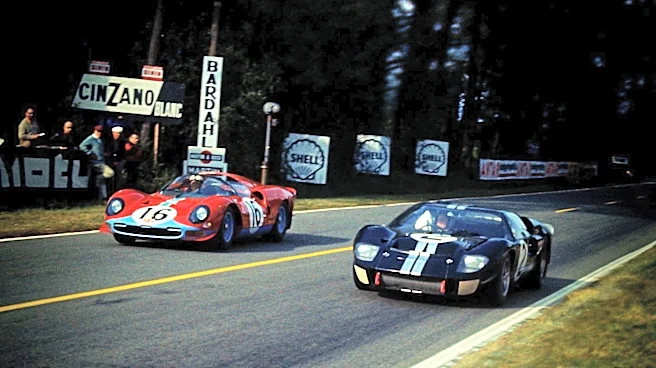
of research, features over 400 photographs and detailed text covering Ferrari's journey from his early days as a racing driver and Alfa Romeo employee to his establishment of Scuderia Ferrari and the subsequent global success of the Ferrari brand. The biography delves into various aspects of his life, including his racing career, his business acumen, his personal struggles such as the death of his son Dino, and his unique management style. It highlights Ferrari's significant contributions to motor racing, including multiple victories in events like the Mille Miglia and Formula 1 World Championships, and his eventual shift towards manufacturing luxury road cars. The book also addresses lesser-known details, such as the disputed date of his birth and his initial aspirations to be a journalist or opera singer.
Why It's Important?
This biography is important for several reasons, particularly for enthusiasts of automotive history, business, and sports. It provides a nuanced portrayal of Enzo Ferrari, moving beyond simple glorification to reveal the complexities of his character and his impact on the automotive industry. For business stakeholders, the book offers insights into the strategic decisions that led to Ferrari's rise, including its pivot from solely racing to manufacturing high-end road cars and its eventual rescue from bankruptcy by Fiat. The narrative also sheds light on the development of a global luxury brand and the creation of a national icon. For those interested in sports, particularly motor racing, it chronicles Ferrari's foundational role in Formula 1 and other major competitions, showcasing the evolution of racing teams and the intense competitive environment of the era. The book's detailed account of Ferrari's interactions with drivers, engineers, and journalists provides a rich historical context for understanding the culture and dynamics of professional motor sports.
What's Next?
The release of 'Enzo Ferrari – The Photographic Biography 1898–1988' is expected to generate renewed interest in the legacy of Enzo Ferrari and the history of the Ferrari brand. This publication will likely become a definitive resource for historians, automotive enthusiasts, and biographers seeking a comprehensive understanding of the man behind the iconic marque. It may also inspire further academic or journalistic exploration into specific aspects of Ferrari's life and business strategies. The book's detailed photographic collection could lead to exhibitions or digital archives celebrating Ferrari's contributions. Furthermore, the insights into Ferrari's management style and brand development could be studied by business leaders and marketing professionals looking to understand the enduring appeal of luxury brands. The book's availability in English and its comprehensive nature suggest it will reach a broad international audience, solidifying Enzo Ferrari's place as a titan of the 20th century.
Beyond the Headlines
Beyond the immediate historical account, this biography touches upon deeper themes of ambition, innovation, and the human cost of relentless pursuit of excellence. Enzo Ferrari's story is a testament to the power of a singular vision to shape an entire industry and create a lasting cultural phenomenon. The book implicitly explores the ethical dimensions of his 'unscrupulous' methods and his manipulation of individuals to achieve his goals, prompting reflection on whether the ends justify the means in high-stakes environments like competitive racing and luxury manufacturing. His personal tragedies, such as the death of his son, and his complex relationships with those around him, reveal the human element behind the legendary figure. The narrative also highlights the evolution of brand identity, from a racing team to a global symbol of luxury and performance, offering insights into how a brand can transcend its origins to become a cultural touchstone. The book's emphasis on Ferrari's meticulous attention to detail and his ability to adapt to changing circumstances provides a valuable case study in enduring leadership and strategic foresight.