



What's Happening?
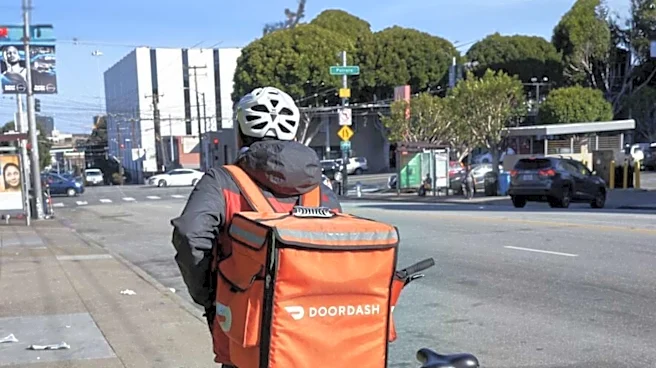
DoorDash has announced its intention to acquire grocery technology company Instacart in a deal valued at approximately $17 billion. The purchase price of $65 per share represents a 26% premium to Instacart’s closing price on October 22. According to DoorDash co-founder
and CEO Tony Xu, the combined entity aims to offer more choices for consumers and increase orders for local businesses. Instacart shoppers will gain access to over 50,000 additional stores, supplementing the nearly 100,000 stores currently on the platform. Furthermore, members of DashPass and Instacart+ will be able to pay a single membership fee, potentially saving an estimated $100 million annually. The deal is expected to close by the end of 2027 or in the first half of 2028, pending shareholder and regulatory approvals. DoorDash plans to fund the cash portion of the acquisition using existing cash and proceeds from debt financing. The Instacart brand and app will be maintained, and its 600,000 independent contractor shoppers will continue to fulfill orders.
Why It's Important?
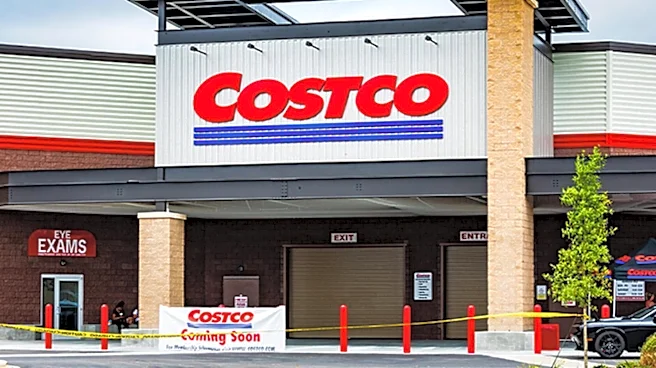
This acquisition marks a significant consolidation in the U.S. grocery delivery market, with potential implications for consumers, grocers, and the broader e-commerce landscape. For consumers, the merger promises enhanced convenience through a wider selection of stores and a unified subscription model, potentially reducing costs. For grocers, particularly smaller players, the combined technological capabilities and delivery network of DoorDash and Instacart could provide a stronger competitive edge against larger retailers like Walmart and Amazon. Tony Xu emphasized that the deal is designed to help local businesses compete in an environment where major companies are increasingly dominating the market. The integration of Instacart’s grocery and fulfillment technology with DoorDash’s extensive delivery network is expected to improve online order capacity and delivery efficiency for retailers. This move also positions DoorDash to further expand its 'new verticals' beyond restaurant delivery, which has seen substantial growth and now includes partnerships with major retailers like Kroger and Costco.
What's Next?
The acquisition is subject to approval from Instacart shareholders and government regulators, with a projected closing timeframe between late 2027 and early 2028. Following the closure, DoorDash intends to keep Instacart’s brand, enterprise technology products, and app, with both companies operating separately until the transaction is finalized. DoorDash expects to achieve multi-year synergies of $500 million or more annually from the acquisition, with initial year-one synergies being reinvested into product and platform improvements. The company also plans to leverage its ongoing re-platforming efforts, which involve building new infrastructure, to facilitate a smoother integration of Instacart and future acquisitions. This strategic move is anticipated to accelerate innovation in the grocery industry, aiming for more seamless and affordable online grocery services for millions of households.
Beyond the Headlines
The DoorDash-Instacart merger highlights a broader trend of consolidation within the on-demand delivery sector, driven by the pursuit of scale, efficiency, and market dominance. This deal could reshape the competitive dynamics, potentially leading to fewer major players in the grocery delivery space. The emphasis on empowering local grocers to compete with larger entities like Walmart and Amazon suggests a strategic narrative aimed at addressing potential antitrust concerns, framing the merger as a means to level the playing field rather than create a monopoly. The integration of advanced AI tools and fulfillment models, including DashMart Fulfillment Services, points towards a future where technology plays an even more critical role in optimizing logistics and inventory management for perishable goods. This could set new industry standards for delivery speed, accuracy, and cost-effectiveness, ultimately influencing consumer expectations for all types of online retail.