






What's Happening?
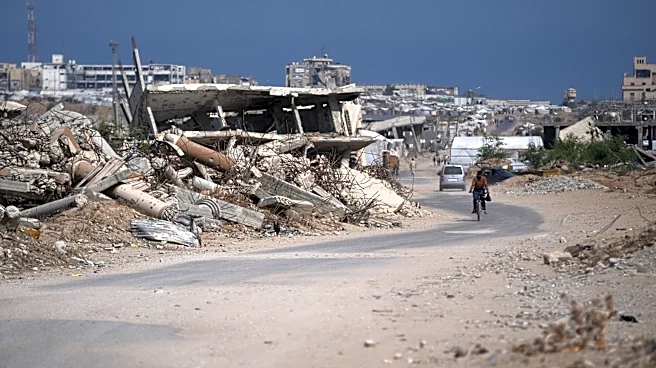
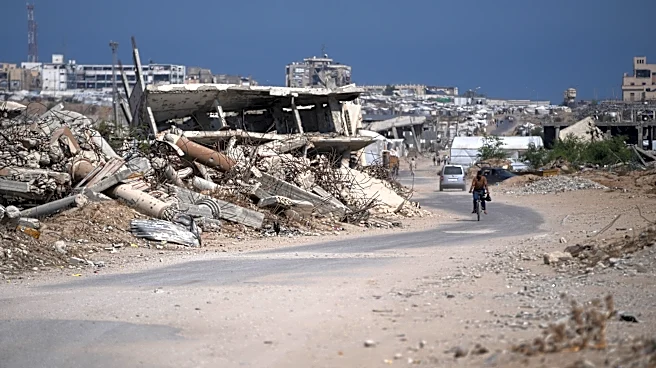
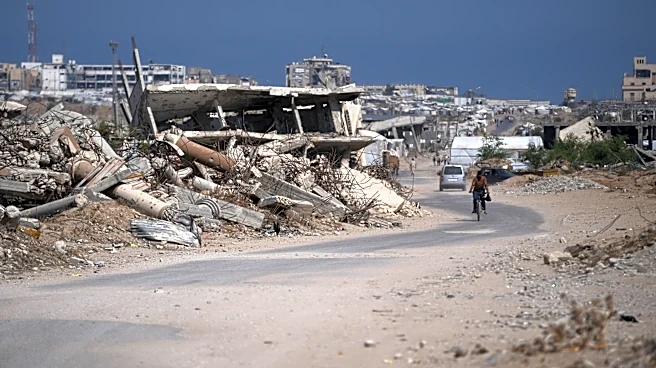
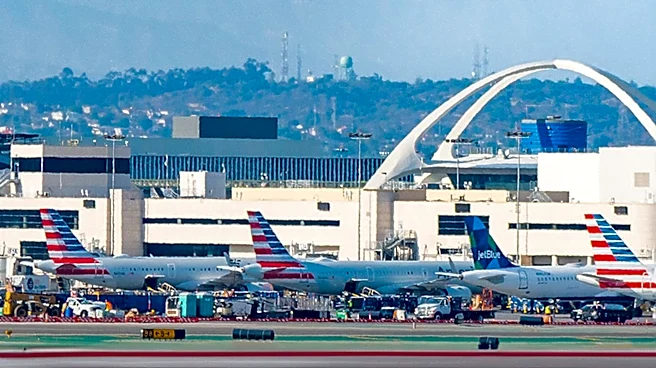
American Airlines has announced an extension of its suspension of flights to Tel Aviv, Israel, through March 28, 2027. This decision comes in response to ongoing regional tensions, particularly following the October 7, 2023, attack on southern Israel by
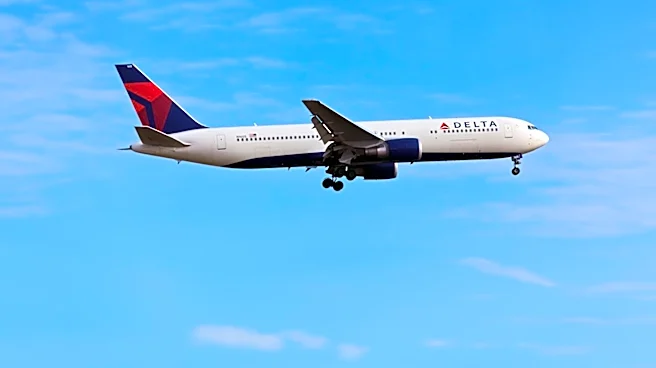
Hamas. The airline had initially planned to resume its daily service from New York to Israel in January but has decided to prolong the pause on routes to both Israel and Qatar. American Airlines is currently the only major U.S. carrier that has maintained a complete halt on its Tel Aviv operations since the attack. Meanwhile, other major U.S. carriers like United Airlines and Delta Air Lines are planning to restart their flights to Tel Aviv in September. The suspension has led to limited non-stop connections on the New York corridor, now primarily served by Israeli carriers El Al and Arkia, resulting in significantly higher airfares during peak travel periods.
Why It's Important?
The prolonged suspension of American Airlines' flights to Tel Aviv highlights the impact of geopolitical tensions on international travel and commerce. This decision affects not only the airline's operations but also travelers and businesses relying on these routes. The limited availability of flights has led to increased airfares, affecting consumer costs and potentially reducing travel demand. For American Airlines, this suspension could result in lost revenue and market share, especially as competitors plan to resume services. The situation underscores the broader challenges airlines face in navigating geopolitical risks and maintaining international routes amidst regional conflicts.
What's Next?
As American Airlines continues its suspension, the airline will need to manage customer relations and coordinate with affected travelers to provide alternative options. The company may also face pressure to reassess its strategy if regional tensions ease or if competitors successfully resume operations, potentially capturing market share. Additionally, the airline industry will be closely monitoring the situation in the Middle East, as any changes in the geopolitical landscape could influence future decisions regarding flight operations. Stakeholders, including travelers, businesses, and industry analysts, will be watching for updates on the resumption of services and any shifts in regional stability.