






What's Happening?
Lisbon, Portugal, is highlighted as a vibrant city known for its historical depth, cultural richness, and scenic beauty. Situated on seven hills and facing the Tagus River, it is one of the world's oldest cities. The city is characterized by distinct
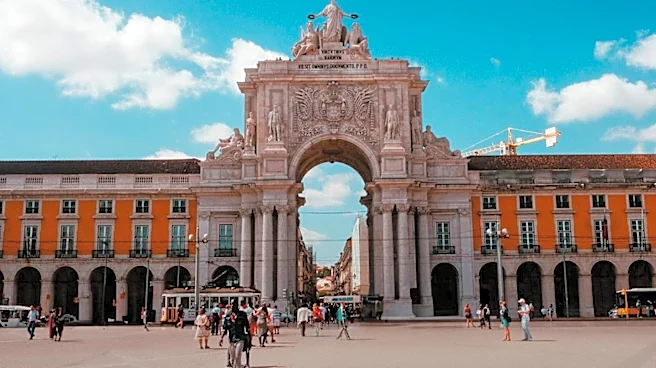
districts such as Belém, famous for its monuments; Alfama, with its intricate, labyrinthine streets; and Alcântara, recognized for its trendy docks. Bairro Alto serves as a popular hub for nightlife and shopping, while the Baixa district is considered the traditional heart of the city. Visitors can explore attractions like the Jerónimos Monastery, the Feira da Ladra flea market, and the Jardim Botânico. The Chiado area is noted for offering traditional Portuguese cuisine, including the famous pastéis de nata. The city is easily accessible from Lisbon Portela Airport via metro or bus, and Booking.com offers a wide range of accommodation options, from luxury hotels to guesthouses and apartments.
Why It's Important?
Lisbon's appeal as a major European tourist destination contributes significantly to Portugal's tourism industry, attracting visitors seeking cultural immersion and historical exploration. The city's diverse offerings, from historical monuments and traditional neighborhoods to modern nightlife and culinary experiences, cater to a broad spectrum of travelers. This influx of tourism supports local businesses, including hotels, restaurants, and cultural venues, fostering economic activity. The preservation and promotion of its unique cultural elements, such as Fado music and azulejos (ceramic tiles), reinforce Lisbon's identity and draw international interest. The accessibility of the city from a major airport further enhances its attractiveness, making it a convenient destination for short and long stays alike. The variety of accommodation options ensures that the city can cater to different budgets and preferences, broadening its market reach.
What's Next?
Lisbon is expected to continue its growth as a premier European travel destination, with ongoing efforts to enhance tourist infrastructure and preserve its cultural heritage. The city will likely focus on sustainable tourism practices to manage the increasing visitor numbers while maintaining its authentic charm. There may be further development in guided tours, cultural workshops, and culinary experiences to deepen visitor engagement. The hospitality sector will continue to adapt to evolving traveler demands, potentially expanding niche accommodations and personalized services. Promotional campaigns will likely highlight Lisbon's unique blend of history, culture, and modernity to attract new demographics. The city's strategic location and accessibility will remain key factors in its sustained popularity, with potential for increased flight routes and improved public transportation to accommodate more tourists.
Beyond the Headlines
Beyond its immediate economic impact, Lisbon's thriving tourism sector plays a crucial role in cultural exchange and soft diplomacy. The city's ability to blend its ancient roots with contemporary trends offers a model for urban development that respects heritage while embracing modernity. The popularity of Fado music, traditional cuisine, and architectural styles like azulejos helps to globalize Portuguese culture, fostering a deeper understanding and appreciation of its unique identity. The challenges of managing tourism growth, such as balancing local residents' needs with visitor demands and preventing over-tourism, will continue to be a significant consideration. Lisbon's success in maintaining its character amidst increasing popularity could offer valuable lessons for other historic cities grappling with similar issues, highlighting the importance of thoughtful urban planning and cultural preservation.