






What's Happening?
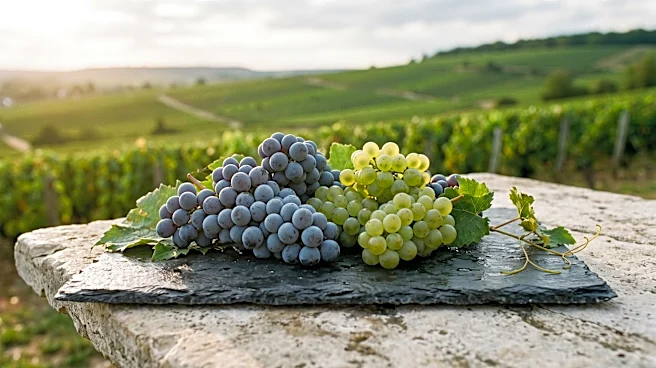
GuildSomm International has published an article detailing the historical significance and modern relevance of minor grape varieties in Champagne production. These varieties, including Arbane, Petit Meslier, Pinot Blanc, Pinot Gris (Fromenteau), Chardonnay
Rose, and Voltis, collectively represent approximately 0.5% of Champagne's vineyard area. While Chardonnay, Pinot Noir, and Meunier remain the dominant grapes, growers like Aurélien Laherte of Laherte Frères and the siblings Claire and Laurent Dérot of Champagne Dérot-Delugny are actively working to preserve and reintroduce these lesser-known grapes. Laherte, for instance, expanded his Petit Meslier plantings due to its unique aromatic profile and acidity retention, even in warming conditions. The article also notes the approval of Voltis, a disease-resistant variety, in 2023, as part of an effort to adapt to climate change and reduce the need for treatments against mildews. This initiative reflects a broader trend in the region to explore resilient varieties and maintain viticultural heritage.
Why It's Important?
The focus on minor grape varieties in Champagne production, as highlighted by GuildSomm International, is important for several reasons. Firstly, it represents a strategic adaptation to the challenges posed by climate change, such as rising temperatures and increased disease pressure. By cultivating disease-resistant varieties like Voltis, growers can potentially reduce their reliance on chemical treatments, leading to more sustainable viticultural practices. Secondly, the preservation of these historical grapes contributes to the biodiversity of the Champagne region, safeguarding genetic material that might prove crucial for future adaptations. Thirdly, these varieties offer unique flavor profiles and characteristics that can diversify Champagne offerings, potentially appealing to new consumer segments and enhancing the region's reputation for innovation while honoring its heritage. The efforts of individual growers like Laherte and the Dérot family demonstrate a proactive approach to ensuring the long-term viability and distinctiveness of Champagne.
What's Next?
The ongoing evaluation and potential broader adoption of varieties like Voltis under the Variété d’Intérêt à Fin d’Adaptation (VIFA) framework suggest a future where Champagne production could become more resilient and diverse. Voltis, currently allowed to constitute up to 5% of a grower's plantings and 10% of a finished blend, will undergo a 10-year observation period before potential permanent inclusion. This phased approach allows growers to test new varieties while limiting their immediate impact on the established character of Champagne. Further research and development into other resistant varieties, such as Orellis and Serelis, are also pending approval, indicating a continuous effort to innovate. The success of these initiatives will depend on their ability to maintain the quality and typicity of Champagne while addressing environmental challenges, potentially leading to new regulations and classifications for these emerging grape varieties.
Beyond the Headlines
Beyond the immediate agricultural and economic implications, the re-emphasis on minor grape varieties in Champagne touches upon deeper themes of cultural heritage and environmental stewardship. The decision by growers to invest in these grapes, despite the practical challenges and the dominance of the 'big three,' reflects a commitment to preserving a unique part of Champagne's history. It also highlights a growing awareness within the wine industry of the need for sustainable practices and adaptation in the face of global climate shifts. This movement could inspire other wine regions to explore their own historical and resilient grape varieties, fostering a broader trend towards biodiversity and sustainability in viticulture worldwide. The narrative of these minor grapes becoming 'rock and roll' or 'seasoning' for blends underscores a creative and adaptive spirit that could redefine traditional winemaking paradigms.