






What's Happening?
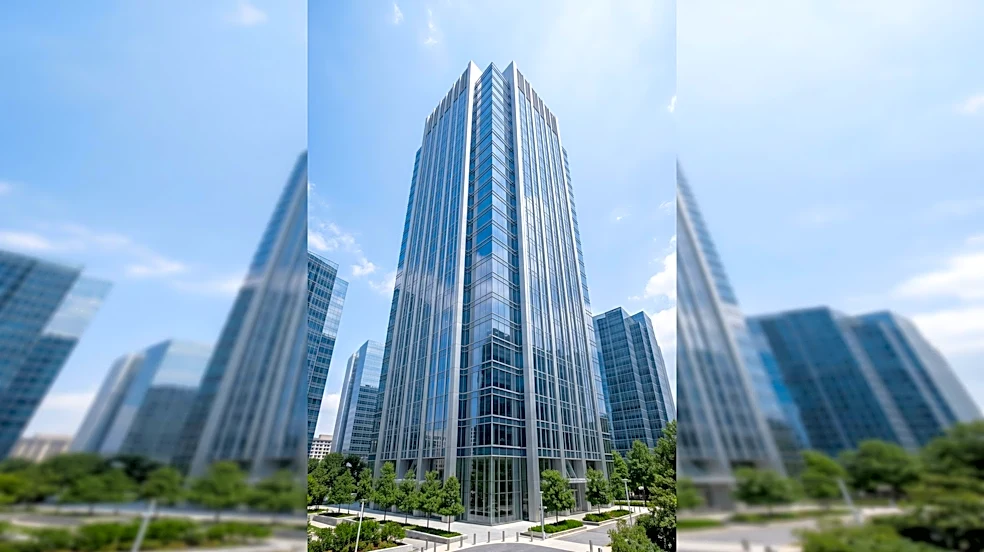
The St. Louis office market is experiencing an overall vacancy rate of approximately 25 percent. This figure indicates a significant amount of unoccupied commercial space across the metropolitan area. However, within this broader trend, the Clayton submarket
stands out as a strong performer. Clayton's Class A office vacancy rate is considerably lower, at 14 percent, which is roughly half the regional average. This submarket is characterized by high demand and limited availability of large office spaces, leading landlords to increase lease rates. The St. Louis economy is diversified, with key sectors including manufacturing, financial services, healthcare, biotech, energy, and education. Despite the high overall vacancy, the region is described as a steady performer in economic growth and real estate trends, avoiding extreme highs or lows.
Why It's Important?
The high overall office vacancy rate in St. Louis could signal challenges for property owners and investors in the commercial real estate sector, potentially leading to decreased rental income and property values in less desirable submarkets. Conversely, the strong performance of the Clayton submarket highlights a flight to quality, where premium spaces in well-located areas continue to attract tenants and command higher prices. This disparity could drive further investment into prime locations like Clayton, while other areas might struggle to fill vacancies. For businesses, the high overall vacancy could offer opportunities for more favorable lease terms in certain parts of the city, while those seeking Class A space in Clayton will face a competitive market with rising costs. The steady economic performance of St. Louis, despite the office market's challenges, suggests underlying resilience in its diverse industries.
What's Next?
Given the current trends, it is likely that the St. Louis office market will continue to see a divergence in performance between submarkets. Areas with high vacancy rates may need to adapt by offering incentives, repurposing properties, or focusing on niche markets to attract tenants. In contrast, the Clayton submarket is expected to maintain its strong demand and rising lease rates, potentially encouraging new development or redevelopment of existing properties to meet the sustained interest. Landlords in Clayton will likely continue to push rental rates upward as long as demand outstrips supply. The broader St. Louis economy, supported by its diverse sectors, will likely continue its steady growth, which could eventually help stabilize the overall office market, though a significant reduction in the 25 percent vacancy rate may take time.
Beyond the Headlines
The significant office vacancy rate in St. Louis, particularly outside of prime submarkets like Clayton, reflects broader national trends in commercial real estate, influenced by factors such as remote work adoption and evolving business needs. This situation could lead to urban planning challenges, as underutilized office buildings may become liabilities rather than assets. Creative solutions, such as converting office spaces into residential units or mixed-use developments, might become more prevalent to revitalize struggling commercial districts. The success of Clayton also underscores the importance of location, amenities, and modern infrastructure in attracting businesses in a competitive environment. This trend could exacerbate economic disparities between well-resourced urban cores and other areas, influencing local tax bases and community development efforts.