



What's Happening?
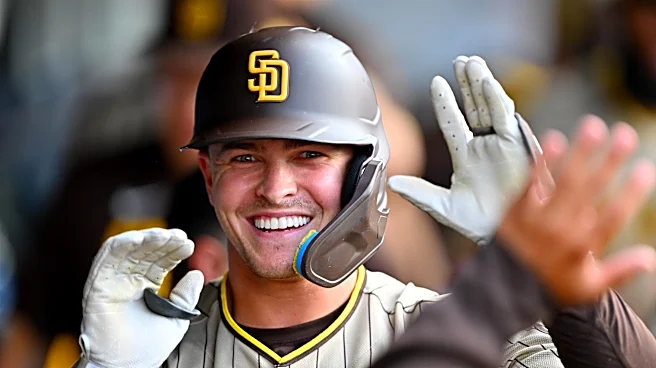
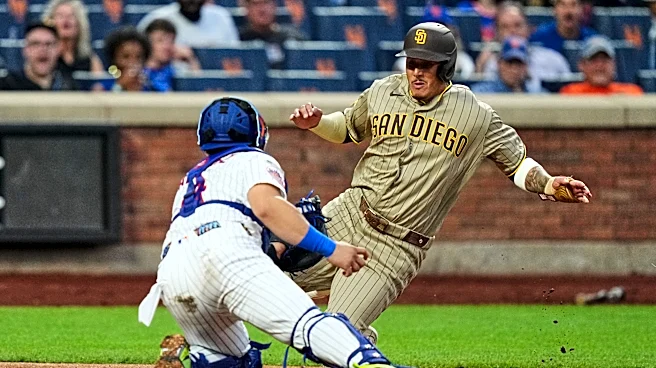
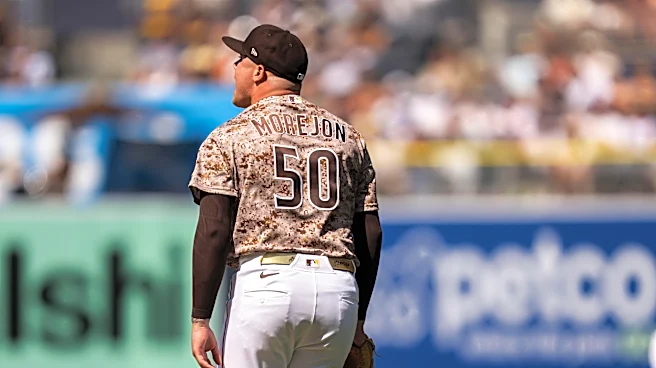
Major League Baseball owners have unanimously approved the new ownership group for the San Diego Padres. The group, led by billionaire Jose E. Feliciano and his wife Kwanza Jones, agreed to acquire a controlling interest in the team for a record valuation
of $3.9 billion. This sale price surpasses the previous record for an MLB franchise, which was set when Steve Cohen purchased the New York Mets for $2.42 billion in 2020. The vote took place during a conference call, and the approval is contingent upon the final closing of the deal, which is anticipated in the coming weeks. Feliciano, who is the founder of Clearlake Capital and a part-owner of the English Premier League’s Chelsea FC, will succeed John Seidler as the new control person for the Padres. Longtime Padres owner Peter Seidler passed away in 2023; he had acquired the team in 2012 for $800 million. While the specific terms of the purchase and the full investor group have not been officially announced by the Padres, reports indicate that Feliciano and Jones will hold up to a 40% equity stake in the team. Some members of the Seidler family are also expected to retain a portion of their ownership.
Why It's Important?
This record-breaking sale of the San Diego Padres for $3.9 billion underscores the escalating valuations of professional sports franchises in the U.S., particularly within Major League Baseball. The significant increase from the previous record set by the New York Mets in 2020 highlights a robust market for sports team ownership, driven by factors such as media rights deals, global branding opportunities, and the perceived stability and growth potential of these assets. For the San Diego Padres, this new ownership could bring fresh capital and strategic direction, potentially impacting team performance, fan engagement, and local economic contributions. The involvement of investors like Jose E. Feliciano, with his background in private equity and international sports ownership, suggests a sophisticated approach to managing and growing the franchise. This trend of rising valuations also benefits current MLB owners, as it increases the value of their existing assets and could influence future transactions across the league. It also reflects a broader economic trend where sports teams are increasingly viewed as valuable investment vehicles, attracting high-net-worth individuals and investment firms seeking diversified portfolios and high-profile assets.
What's Next?
The immediate next step is the final closing of the deal, which is expected to occur in the weeks following the unanimous approval by MLB owners. Once the transaction is finalized, Jose E. Feliciano and Kwanza Jones will officially assume control of the San Diego Padres. This transition will likely involve strategic decisions regarding the team's management, operations, and future direction. Fans and stakeholders will be watching for any announcements regarding potential changes to the team's front office, coaching staff, or player acquisition strategies. The new ownership group may also outline their vision for community engagement, stadium improvements, or enhanced fan experiences. Furthermore, this record sale could set a new benchmark for future MLB franchise valuations, potentially influencing other teams considering sales or seeking new investors. The integration of Feliciano's experience from Clearlake Capital and his involvement with Chelsea FC could introduce new business practices or investment philosophies to the Padres organization, potentially impacting the team's long-term financial health and competitive standing.
Beyond the Headlines
The sale of the San Diego Padres for an unprecedented $3.9 billion reflects a deeper trend in the financialization of professional sports, where teams are increasingly seen as global entertainment brands and valuable investment assets rather than just local sports clubs. This escalating valuation can have several long-term implications. Ethically, it raises questions about the accessibility of team ownership, as only a select few billionaires can afford such investments, potentially concentrating power and influence. Culturally, while new ownership can bring excitement and resources, it also carries the risk of alienating long-standing fan bases if changes are perceived as purely profit-driven rather than focused on the team's legacy and community connection. Legally, the complexities of such large-scale transactions, involving multiple investors and regulatory approvals, highlight the intricate financial structures now common in sports. The involvement of private equity figures like Feliciano suggests a shift towards more aggressive financial management and growth strategies, which could lead to increased commercialization of the sport. This trend also underscores the growing importance of media rights and global market reach in determining a team's value, pushing franchises to expand their brand beyond traditional geographic boundaries.