








What's Happening?
The article discusses the application of the Kübler-Ross Change Curve, a psychological model traditionally used to understand grief and significant life changes, to the emotional journey of football fans during player transfer rumors. The model outlines
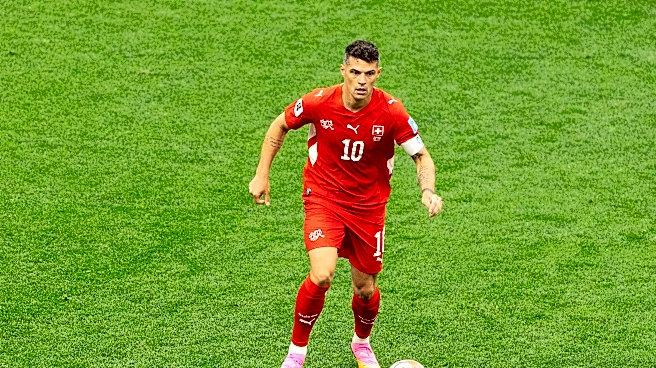
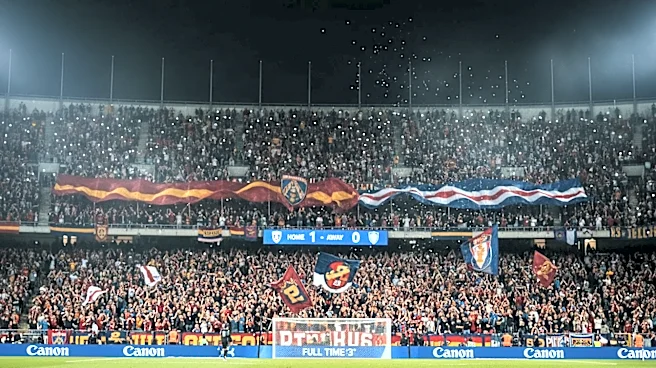
stages such as denial, anger, bargaining, depression, and acceptance, which fans reportedly experience when faced with the potential departure of a beloved player. The narrative uses the example of Granit Xhaka, a football player, to illustrate how fans process these rumors, often oscillating between different emotional stages as new information emerges. The article humorously highlights how fans might initially reject the possibility of a transfer, express anger towards the player and associated parties, and eventually come to terms with the change, albeit reluctantly.
Why It's Important?
Understanding the emotional dynamics of football fans during transfer rumors is significant as it sheds light on the broader cultural and psychological impact of sports on individuals. The application of the Kübler-Ross Change Curve to this context highlights the deep emotional investment fans have in their teams and players, akin to personal relationships. This insight is valuable for sports organizations and marketers, as it underscores the importance of managing fan expectations and communications effectively during transfer windows. The emotional volatility of fans can influence club reputations, player morale, and even financial decisions related to player contracts and merchandise sales. Recognizing these emotional patterns can help clubs better engage with their fan base, fostering loyalty and mitigating negative reactions.
What's Next?
As transfer rumors continue to circulate, clubs and players may need to navigate the emotional responses of fans carefully. Effective communication strategies, transparency about player movements, and engagement with fan communities could help manage expectations and reduce backlash. Clubs might also consider leveraging fan emotions positively by involving them in decision-making processes or offering platforms for fan expression. Additionally, as the transfer window progresses, clubs will likely focus on strategic replacements and reinforcements to maintain team performance and fan satisfaction. The ongoing dialogue between clubs, players, and fans will be crucial in shaping the narrative and emotional climate surrounding player transfers.
Beyond the Headlines
The use of the Kübler-Ross Change Curve in this context also raises questions about the broader psychological impact of sports fandom. It highlights how deeply sports can affect personal identity and emotional well-being, suggesting that fan reactions to sports events can mirror those to significant personal life changes. This perspective invites further exploration into the role of sports in societal and individual mental health, potentially influencing how sports organizations approach fan engagement and support. The emotional journey of fans during transfer rumors could also reflect broader societal trends in how people cope with change and uncertainty, offering insights into human behavior beyond the sports arena.