


What's Happening?
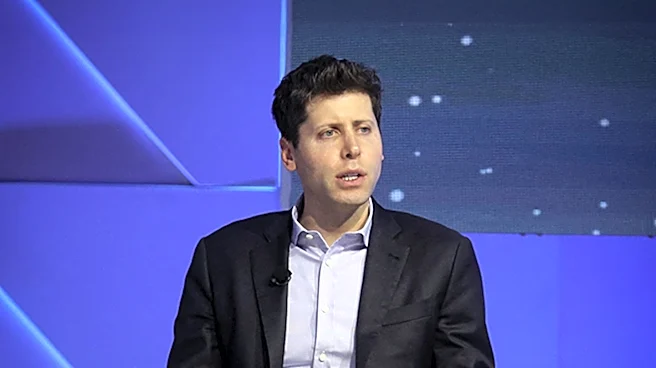
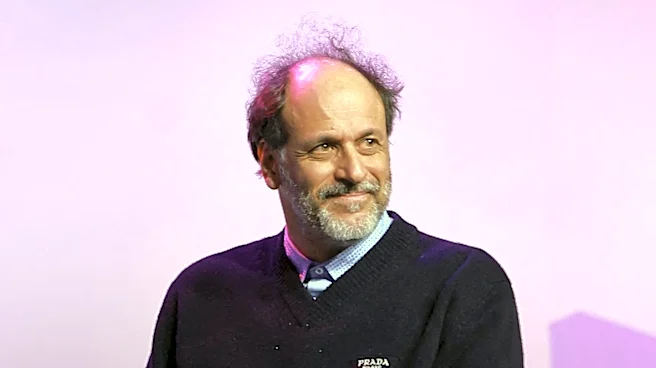
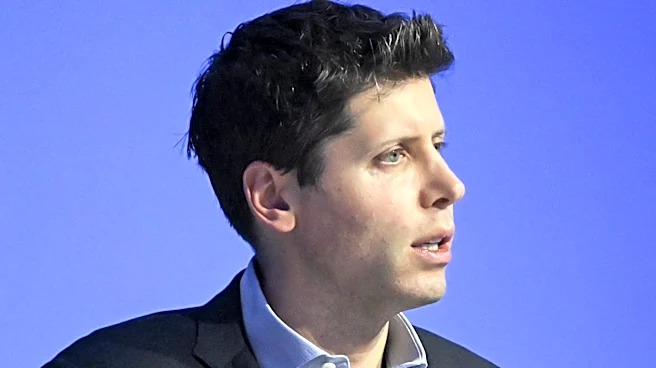
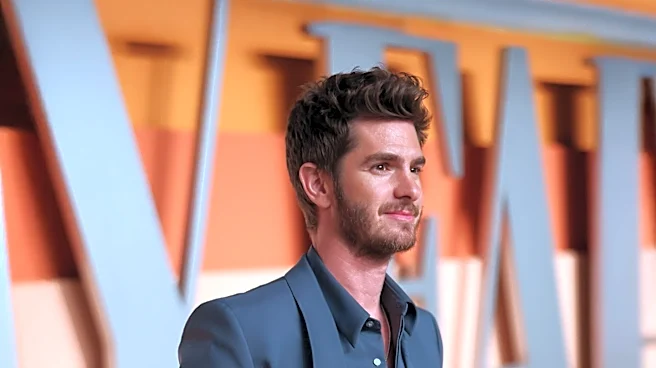
Actor Andrew Garfield, who portrays Sam Altman in Luca Guadagnino’s new film 'Artificial,' has described the OpenAI CEO as 'unknowable' despite months of research for the role. Speaking after a screening in Los Angeles, Garfield expressed his inability
to fully understand Altman and criticized the perceived damage caused by powerful AI leaders who hold significant influence over society's future. Garfield did not meet Altman personally for the role, instead relying on interviews, recordings, court documents, and other public materials to build his performance. His comments, therefore, represent an interpretation shaped by his research and the film's dramatic script, rather than direct interaction. This reaction highlights a broader issue concerning how the public perceives and understands influential technology executives, whose decisions impact various aspects of society, including employment, education, and national policy.
Why It's Important?
Garfield's portrayal and subsequent comments underscore the growing public scrutiny and ethical considerations surrounding the leaders of the artificial intelligence industry. As AI technologies become increasingly integrated into daily life, the decisions made by a small group of tech executives carry immense weight, influencing societal structures and future developments. The 'unknowable' nature described by Garfield reflects a challenge in understanding the motivations and long-term impacts of these powerful figures, who often communicate through carefully managed public relations. This lack of transparency can lead to public distrust and concern about the unchecked power of AI leadership. The film's potential to simplify complex individuals into heroes or villains also highlights the media's role in shaping public perception, which can have significant implications for how AI is regulated, adopted, and integrated into society. The discussion raises questions about the responsibility of artists in portraying such influential figures and whether their interpretations should remain neutral.
What's Next?
The release of the film 'Artificial' and Andrew Garfield's comments are likely to intensify public discussion about Sam Altman and the broader implications of AI leadership. This could lead to increased media attention on the personal and professional lives of AI executives, prompting more in-depth analyses of their decision-making processes and ethical frameworks. The film itself may serve as a catalyst for broader conversations about the societal impact of AI, potentially influencing public opinion and even policy debates regarding the regulation and governance of artificial intelligence. Furthermore, the discussion about whether actors should remain neutral when portraying powerful living technology leaders could spark a wider debate within the entertainment industry about the role of art in social commentary. This could encourage more critical and nuanced portrayals of tech figures in future productions, fostering a more informed public discourse on the future of AI.
Beyond the Headlines
The 'unknowable' aspect of Sam Altman, as articulated by Andrew Garfield, points to a deeper societal anxiety about the rapid advancement of AI and the concentration of power in the hands of a few. This sentiment reflects a broader concern that the public lacks sufficient insight into the intentions and potential consequences of AI development, which could lead to unforeseen ethical dilemmas, job displacement, and shifts in global power dynamics. The portrayal of such figures in popular culture, even if based on extensive research, inevitably shapes public perception and can either demystify or further complicate the understanding of AI's impact. This situation highlights the critical need for greater transparency and public engagement from AI leaders to build trust and ensure that the development of these transformative technologies aligns with broader societal values and interests. The challenge lies in bridging the gap between the complex realities of AI development and public comprehension, a task that both technology leaders and cultural commentators must address.