









What's Happening?
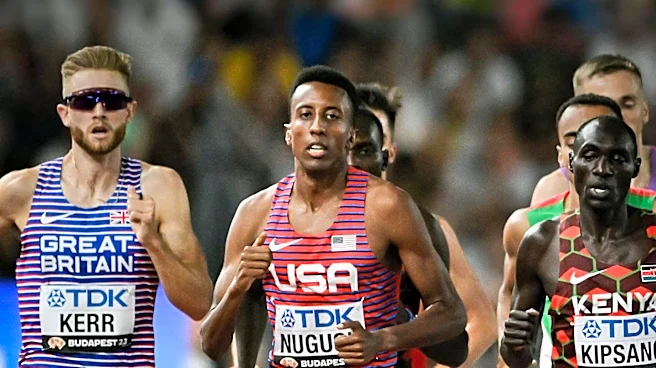
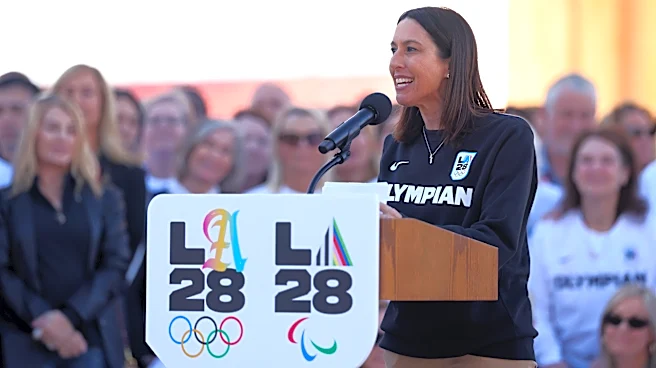
World Athletics officials have released the qualification system for track and field events at the 2028 Los Angeles Olympics, scheduled from July 15-30, 2028. The athletics program will feature 48 events, including 23 for men, 23 for women, and two mixed
relays, with the 4x100m mixed relay making its Olympic debut. The qualification process will utilize a dual pathway, with approximately 40% of each event's quota filled by athletes meeting entry standards and the remaining 60% through World Athletics world rankings. Qualification windows vary by event, with marathons opening from November 1, 2026, and most other events starting in mid-2027. Specific entry standards for various events, such as 9.93 seconds for the men's 100m and 2:22:20 for the women's marathon, have been detailed.
Why It's Important?
The announcement of the qualification standards for the LA Olympics 2028 is a critical development for track and field athletes globally, including those in the U.S. These standards set clear performance benchmarks that athletes must achieve to compete on the world stage, influencing their training regimens, competition schedules, and career trajectories over the next few years. For U.S. athletes, understanding these requirements early allows for strategic planning to maximize their chances of qualification, potentially leading to more focused training and participation in specific events designed to meet the criteria. The dual qualification pathway, combining direct entry standards with world rankings, provides multiple avenues for athletes to secure a spot, fostering a highly competitive environment and ensuring that the best performers are represented at the Games. This also impacts national sports federations and Olympic committees in their athlete development and selection processes.
What's Next?
With the qualification windows opening from late 2026 onwards, athletes will immediately begin their pursuit of the entry standards and ranking points. This will lead to increased competition at various track and field meets worldwide, as athletes strive to achieve the necessary performances. National Olympic committees and sports federations will intensify their support for athletes, providing resources for training, competition travel, and performance optimization. The coming seasons will see a gradual shaping of the Olympic roster as athletes meet the criteria. The World Athletics Relays and World Athletics Race Walking Team Championships in 2028 will also serve as crucial qualification events for their respective disciplines, adding further layers of competition and strategic importance.
Beyond the Headlines
The detailed qualification system for the LA Olympics 2028 reflects a broader trend in elite sports towards more structured and merit-based selection processes. The emphasis on both direct entry standards and world rankings aims to ensure fairness and recognize consistent performance over time, rather than relying solely on a single qualifying event. This approach could influence how sports are organized and funded at national levels, encouraging long-term athlete development rather than short-term peak performance. For the U.S., hosting the Olympics provides a unique opportunity to showcase its athletic talent and inspire a new generation of track and field enthusiasts. The rigorous qualification process also highlights the immense dedication and sacrifice required to compete at the highest level of international sports, underscoring the human element behind these athletic achievements.