





What's Happening?
Several East Coast state parks are highlighted as ideal destinations for fall road trips, offering unique natural features and activities without the crowds typical of national parks. Ohiopyle State Park in Pennsylvania is noted for its Class III to IV
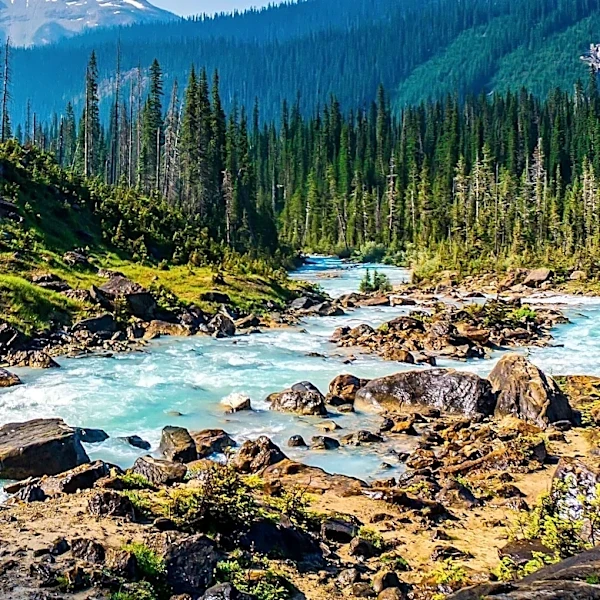
rapids, Cucumber Falls, and the Great Allegheny Passage rail trail. Devils Fork State Park in South Carolina provides access to Lake Jocassee, known for its clear waters and waterfalls, and is home to the rare Oconee bell wildflower. Other parks like Blackwater Falls State Park in West Virginia and Camden Hills State Park in Maine offer scenic views, hiking trails, and unique geological features. These parks provide a variety of accommodations, from campsites to fully equipped villas, making them accessible for different types of travelers.
Why It's Important?
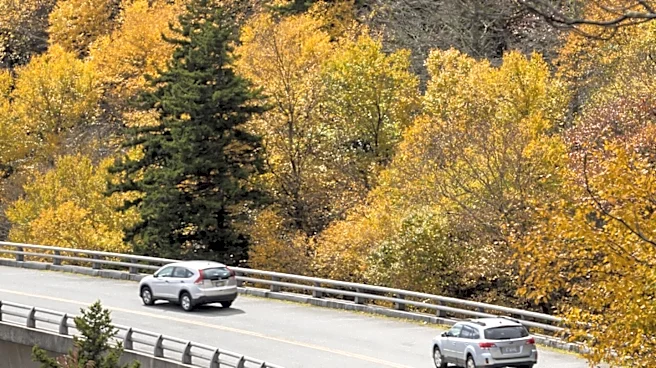
These state parks offer a quieter alternative to the more crowded national parks, allowing visitors to enjoy natural beauty and outdoor activities in a more relaxed setting. This can be particularly appealing during the fall, when the changing foliage adds to the scenic beauty. The parks also support local economies by attracting tourists to less-visited areas, providing opportunities for local businesses and services. Additionally, the preservation of these parks helps protect unique ecosystems and rare species, such as the Oconee bell wildflower in Devils Fork State Park. By promoting these destinations, there is potential to distribute tourist traffic more evenly across the region, reducing pressure on more popular sites and enhancing visitor experiences.
What's Next?
As these parks gain recognition, they may see an increase in visitors, which could lead to further development of facilities and services to accommodate growing interest. Park management may need to balance conservation efforts with the demands of increased tourism to ensure the protection of natural resources. Additionally, local communities could benefit from increased tourism through job creation and economic growth. Future initiatives might focus on sustainable tourism practices to maintain the parks' natural beauty and ecological integrity while enhancing visitor experiences.
Beyond the Headlines
The promotion of these state parks highlights the importance of diversifying tourist destinations to include lesser-known areas. This approach not only benefits the environment by reducing overcrowding in popular parks but also supports cultural and historical preservation efforts. Many of these parks have unique historical backgrounds, such as the submerged valley in Lake Jocassee, which adds an educational dimension to visits. Encouraging exploration of these areas can foster a deeper appreciation for regional history and natural heritage.