






What's Happening?
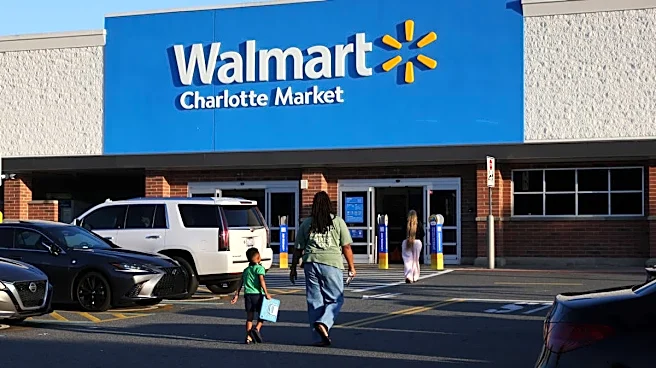
Walmart has publicly joined approximately 1,000 other merchants in opposing a proposed credit card fee settlement involving Visa and Mastercard. Retailers argue that the agreement does not adequately address their concerns regarding swipe fees charged
on credit and debit card transactions. Critics of the settlement contend that it would grant Visa and Mastercard extensive legal immunity against future challenges to certain fee practices. Walmart's opposition is part of a broader strategy to manage costs, as the company faces ongoing pressure on its margins from factors such as labor, logistics, and tariffs. Higher card fees contribute to these cost pressures, and Walmart's move reinforces its commitment to actively defending against rising expenses while simultaneously focusing on alternative profit streams like advertising, marketplace operations, and memberships. The company operates a vast network of big-box stores, warehouse clubs, e-commerce sites, and mobile platforms, meaning that even minor adjustments in swipe fee structures can significantly impact its daily operating costs across its diverse business segments.
Why It's Important?
This challenge by Walmart and other merchants highlights a significant ongoing dispute between retailers and credit card networks over transaction fees, which can have substantial implications for the U.S. retail industry and consumer prices. Swipe fees represent a considerable operating expense for retailers, directly affecting their profit margins. If the proposed settlement were to proceed without addressing these concerns, it could solidify the current fee structure, potentially leading to continued financial strain for businesses and possibly higher prices for consumers as retailers pass on these costs. Walmart's involvement, given its scale as one of the world's largest retailers, amplifies the issue, demonstrating the widespread impact of these fees on businesses of all sizes. The outcome of this challenge could influence future negotiations and regulations concerning credit card transaction fees, potentially leading to a more favorable environment for merchants or, conversely, entrenching the existing system.
What's Next?
The immediate next steps will involve legal proceedings as the courts consider the objections raised by Walmart and other merchants against the proposed settlement. Investors and stakeholders will be closely monitoring any judicial decisions regarding the settlement. Additionally, future commentary from Walmart on payment processing costs in its earnings updates or financial filings will provide insights into whether this pushback has a meaningful impact on reducing fee drag or if it remains a singular legal skirmish with limited effect on the company's overall margin story. The ongoing legal battle could lead to further negotiations between credit card companies and retailers, potentially resulting in a revised settlement or new legislative efforts to regulate swipe fees. The broader retail industry will be watching to see if this challenge sets a precedent for how such fees are managed in the future.
Beyond the Headlines
Beyond the immediate financial implications, Walmart's challenge to the credit card fee settlement touches upon deeper issues of market power and competition within the financial and retail sectors. The debate over swipe fees reflects the tension between the convenience and security offered by credit card networks and the costs imposed on merchants for these services. This situation raises questions about the fairness of the current fee structures and whether they disproportionately benefit card networks at the expense of retailers and, ultimately, consumers. The outcome could influence regulatory approaches to payment systems, potentially leading to increased scrutiny of interchange fees and calls for greater transparency. Furthermore, it underscores the strategic importance for large retailers like Walmart to diversify revenue streams and explore alternative payment methods to mitigate reliance on traditional credit card transactions, thereby reshaping the future landscape of retail payments.