





What's Happening?
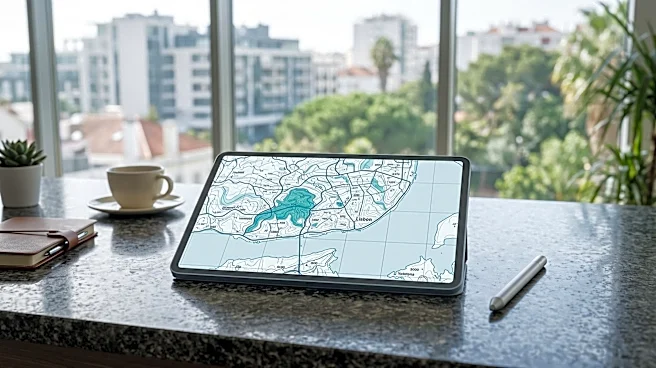
Cognizant is actively recruiting a French Maps Data Analyst for a full-time, on-site position in Lisbon, Portugal. This role is part of a project focused on improving map content and data quality for a global technology client. The Maps Data Analyst will
be responsible for validating, refining, and enriching map-related data to ensure accuracy and reliability for users. Key tasks include reviewing tickets from internal teams and map users, updating attributes of locations such as names, categories, addresses, geocodes, and business hours, and identifying and correcting outdated or incorrect information. The position requires native-level French communication skills, fluency in English, and 0-2 years of experience in BPO operations, maps projects, data validation, content moderation, or web research. The work schedule is Monday through Friday, and the role is based at LACS Santos in Lisbon.
Why It's Important?
This recruitment highlights the ongoing global effort to enhance the accuracy and user experience of widely used map applications. The role of a Maps Data Analyst is crucial in ensuring that millions of people receive reliable information for navigation and discovery, directly impacting daily life and commerce. For the global technology client, maintaining high-quality map data is essential for user satisfaction and competitive advantage in the digital mapping sector. The demand for specialized language skills, such as French, indicates the importance of catering to diverse linguistic markets and ensuring localized data accuracy. This initiative also reflects the growing trend of outsourcing specialized data analysis roles to international hubs like Lisbon, leveraging a skilled workforce to support global operations. The continuous improvement of map data underpins various services, from logistics and transportation to local business discovery, making this role integral to the functionality of modern digital infrastructure.
What's Next?
The recruitment process for the French Maps Data Analyst position is ongoing, with Cognizant seeking qualified candidates to fill this role. Successful applicants will undergo continuous training and learning programs to support their professional development and career progression within the company. The project's focus on map content and data quality improvement suggests a sustained effort to enhance the global technology client's mapping services. As new data is validated and refined, users can expect more accurate and reliable map information, leading to an improved overall experience. The ongoing nature of data validation and content moderation in mapping applications means that similar roles and projects are likely to continue emerging as technology evolves and user needs expand. The company also offers an annual bonus program and competitive salary and benefits, indicating a commitment to attracting and retaining talent for these critical data-centric roles.
Beyond the Headlines
The continuous need for Maps Data Analysts underscores the complex and dynamic nature of digital mapping. Beyond simply displaying locations, modern map applications integrate vast amounts of real-time data, user-generated content, and intricate algorithms. The role of a data analyst in this context extends beyond mere data entry; it involves critical thinking, problem-solving, and an understanding of how geographical information impacts user behavior and business operations. The emphasis on native-level language proficiency, such as French, highlights the cultural and linguistic nuances that must be considered to provide truly accurate and relevant map data across different regions. This also points to the ethical considerations in data curation, ensuring that information is unbiased, inclusive, and representative of diverse communities. The ongoing refinement of map data contributes to the broader digital infrastructure that supports smart cities, autonomous vehicles, and personalized location-based services, shaping the future of how individuals interact with their physical environment through technology.