


What's Happening?
Zillow's annual home trends report for 2027 indicates a notable shift in what sellers are highlighting in home listings. While sustainability has been a focus in recent years, mentions of eco-conscious terms like 'sustainable' and 'green' have decreased
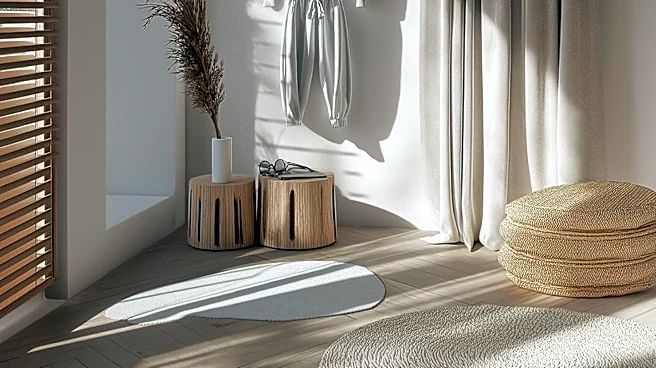
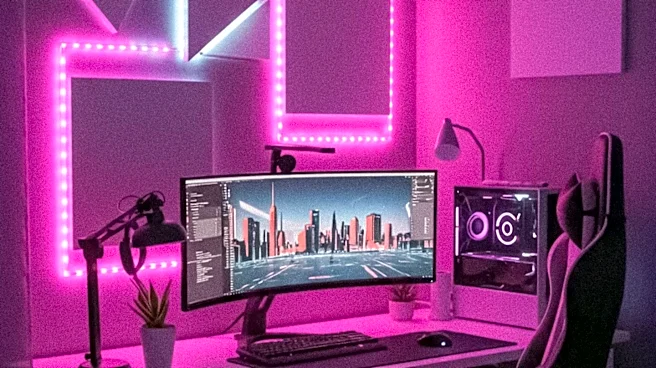
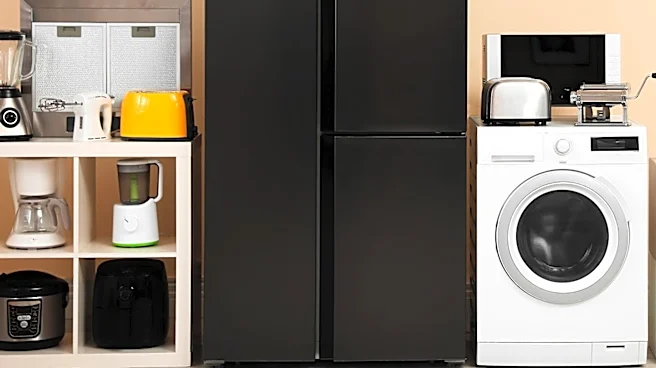
by 26%. Instead, sellers are emphasizing features that enhance comfort, safety, and efficiency within the home. The report highlights a significant increase in mentions of practical upgrades such as whole-home batteries (up 43%), battery backup systems (up 25%), and fresh-air ventilation systems (up 52%). Other rising features include recirculating hot-water systems, air filtration (up 25%), water filtration (up 22%), and radon mitigation (up 18%). This trend suggests that buyers are increasingly prioritizing tangible benefits like reliable power, clean air, and efficient energy systems over broad sustainability labels. Additionally, the report notes a rise in AI-powered appliances (up 119%) and app-controlled home systems (up 34%), alongside a demand for 'analog spaces' for digital detox.
Why It's Important?
This shift in home buyer preferences, as identified by Zillow, has significant implications for the U.S. housing market, construction industry, and real estate development. The declining emphasis on general 'sustainable' terminology suggests that consumers are becoming more discerning, seeking specific, measurable benefits rather than broad eco-labels. This could drive manufacturers and builders to focus on integrating advanced efficiency technologies and comfort-enhancing systems into new constructions and renovations. For homeowners looking to sell, investing in features like whole-home batteries or advanced filtration systems may yield better returns than simply marketing a home as 'green.' The increased demand for efficiency also points to a growing consumer awareness of operational costs and resilience, particularly concerning power reliability and indoor air quality. This trend could also influence public policy discussions around building codes and incentives for specific home technologies, potentially shifting focus from general sustainability to targeted efficiency improvements.
What's Next?
In response to these evolving buyer preferences, the U.S. housing market is likely to see an increased integration of advanced home efficiency and comfort technologies. Builders and developers may prioritize the installation of whole-home battery systems, sophisticated ventilation, and water filtration systems in new constructions. Real estate agents will likely adapt their marketing strategies to highlight these specific features, moving away from generic sustainability claims. Manufacturers of home appliances and building materials can anticipate a growing demand for products that offer tangible benefits in energy efficiency, air quality, and power reliability. Furthermore, the trend towards 'quiet tech' and 'analog spaces' suggests a future where homes are both technologically advanced and provide areas for digital disconnection, influencing architectural design and interior planning. This could lead to a greater emphasis on flexible spaces that can adapt to various needs, from work to wellness.
Beyond the Headlines
The Zillow report's findings hint at a deeper societal shift in how Americans perceive and value their living spaces. The move away from broad 'sustainability' buzzwords towards concrete efficiency and comfort features may reflect a more pragmatic approach to environmental concerns, where tangible benefits like lower utility bills and improved health take precedence. This could also signal a growing distrust or fatigue with vague eco-labeling, pushing consumers to demand verifiable performance from their homes. The simultaneous rise of AI-powered smart homes and a desire for 'digital detox' spaces highlights a complex relationship with technology, where convenience is sought but balanced with a need for disconnection. This duality suggests a future where homes are designed to be both highly integrated with technology for efficiency and deliberately segmented to offer retreats from constant digital engagement, impacting mental well-being and lifestyle choices.