




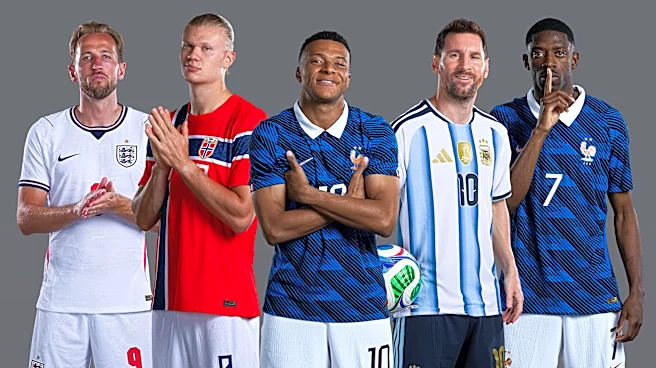


What's Happening?
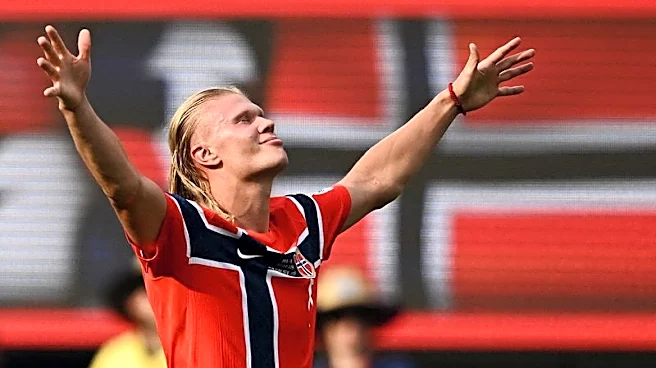
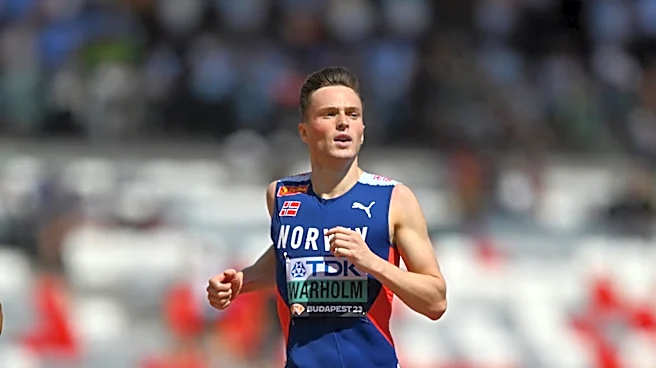
Norway's approach to sports, which prioritizes fun and enjoyment over early specialization and pressure, has been a key factor in its international success across various sports. The country's sports culture encourages young athletes to try multiple sports and develop
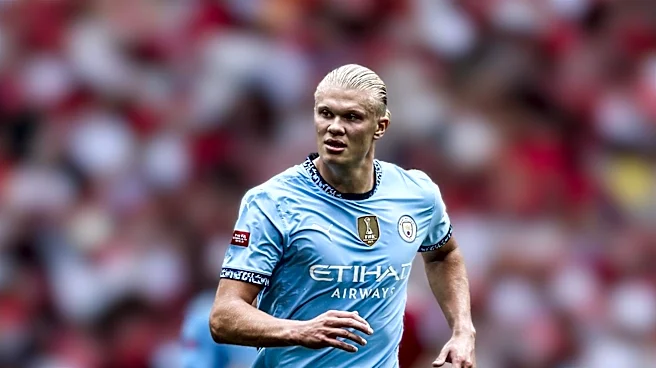
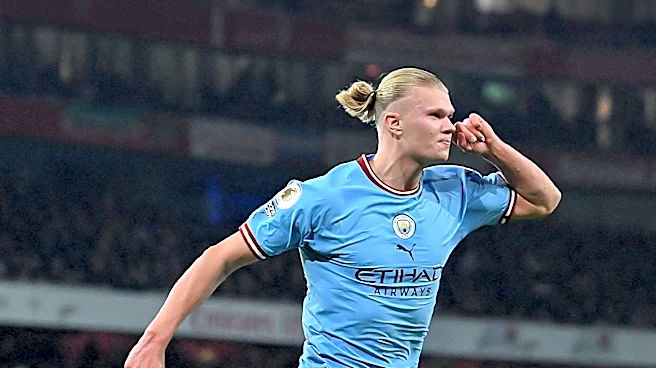
social skills, which helps them build a high-performance mindset. This approach has contributed to the development of world-class athletes like Erling Haaland and has led to Norway's impressive performances in global competitions, including the World Cup and the Winter Olympics. The Norwegian system contrasts sharply with the U.S. model, which often emphasizes early specialization and high pressure, potentially leading to burnout among young athletes.
Why It's Important?
Norway's sports model highlights the potential benefits of prioritizing enjoyment and personal development in youth sports. This approach not only helps in nurturing well-rounded athletes but also ensures long-term engagement in sports, reducing dropout rates. The success of this model could serve as a lesson for other countries, including the U.S., where high-pressure environments and early specialization are common. By focusing on fun and participation, Norway has managed to produce top-tier athletes without the negative consequences often associated with high-pressure sports systems. This could influence future sports policies and youth sports programs globally.
What's Next?
As Norway continues to excel in international sports, other countries may look to adopt similar approaches to youth sports development. This could lead to a shift in how sports programs are structured, with a greater emphasis on enjoyment and personal growth. Additionally, the success of Norway's model may prompt further research into the long-term benefits of such an approach, potentially influencing sports policies and practices worldwide. Stakeholders in the sports industry, including coaches, policymakers, and educators, may need to reconsider their strategies to foster a more inclusive and supportive environment for young athletes.
Beyond the Headlines
Norway's sports culture not only impacts athletic performance but also reflects broader societal values of equality and inclusivity. The country's egalitarian approach ensures that sports are accessible to all, regardless of socioeconomic status, which may contribute to its success. This model challenges the traditional notion that high performance requires early specialization and intense competition, suggesting that a more balanced approach can yield better results. The cultural emphasis on collaboration and communication in sports may also have positive implications for social cohesion and community building.