






What's Happening?
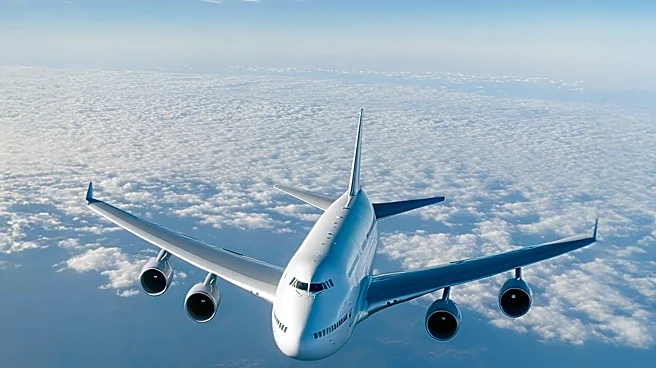
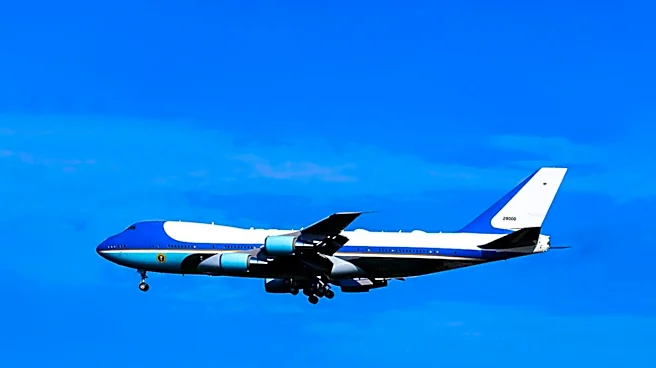
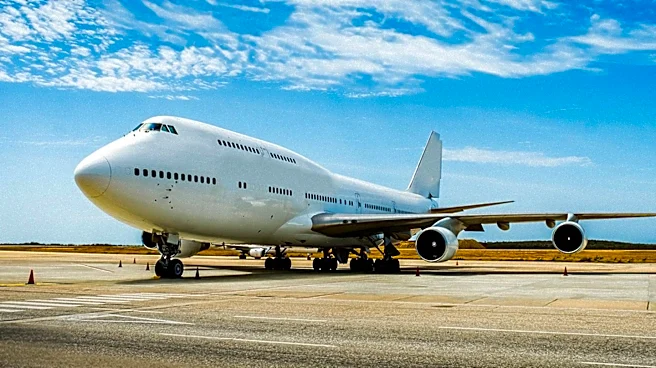
Boeing has reported a wider-than-expected loss for the second quarter, primarily due to the costs associated with the Air Force One program. The company took a $280 million loss on the program, which involves delivering two 747s to serve as the next-generation
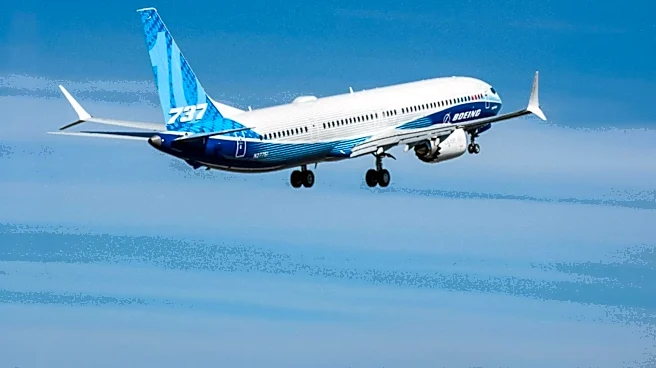
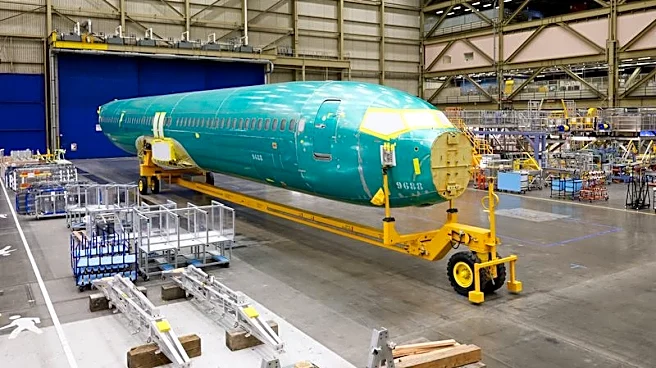
Air Force One aircraft. Despite the setback, Boeing's revenue increased by 8% to $24.56 billion, driven by gains across its businesses, including increased deliveries of commercial aircraft. The company is ramping up production of its 737 Max airplanes and anticipates further increases. Boeing's commercial aircraft deliveries rose by 14% compared to the previous year.
Why It's Important?
Boeing's financial performance highlights the challenges faced by major aerospace manufacturers in managing complex and costly government contracts. The Air Force One program, while prestigious, has proven to be a financial burden, impacting the company's overall profitability. Boeing's ability to navigate these challenges and maintain growth in other areas, such as commercial aircraft production, is crucial for its long-term success. The company's performance also reflects broader trends in the aerospace industry, where manufacturers must balance government contracts with commercial operations to sustain growth and competitiveness.
What's Next?
Boeing will continue to focus on meeting its production targets for the 737 Max and other aircraft, while managing the financial impact of the Air Force One program. The company is also working towards the certification of other delayed aircraft programs, such as the Boeing 737 Max 7. Boeing's leadership will need to address the challenges posed by government contracts and ensure that the company remains competitive in the global aerospace market. The outcome of these efforts will be closely watched by investors and industry stakeholders, as Boeing seeks to improve its financial performance and maintain its position as a leading aerospace manufacturer.