




What's Happening?
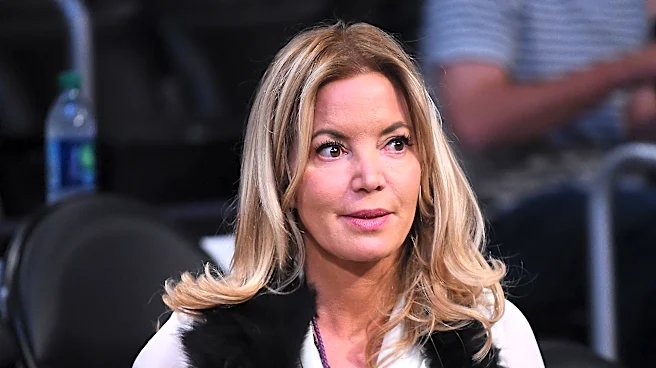
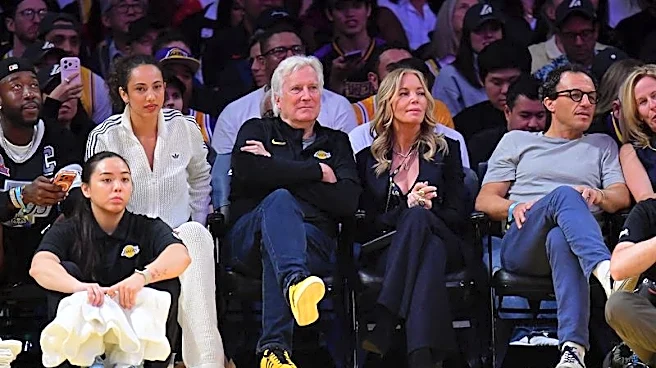
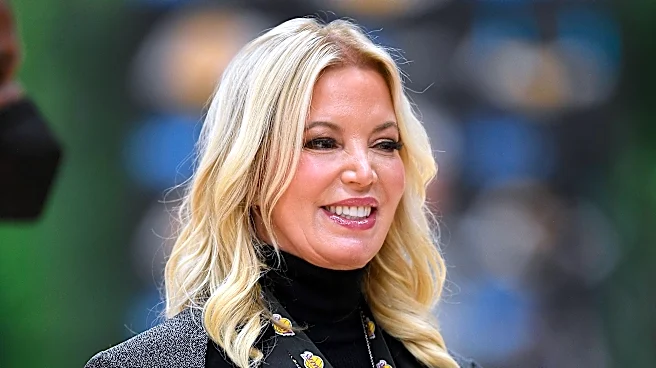
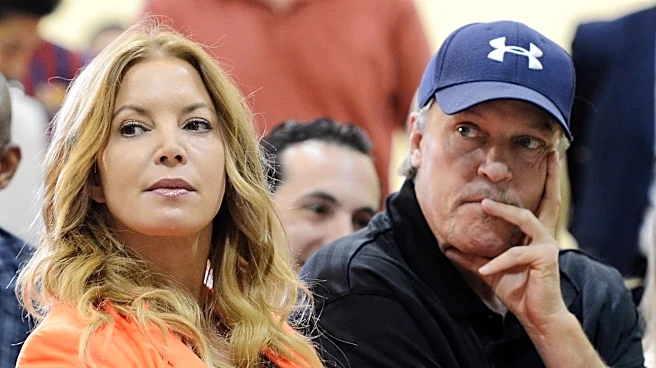
Jeanie Buss, the controlling owner and governor of the Los Angeles Lakers, is embroiled in a family dispute over the sale of the team's remaining shares. Following the $12.5 billion sale of the Lakers, her five siblings plan to sell their collective 17.8%
stake to venture capitalist Josh Kushner and former Disney CEO Bob Iger. This move jeopardizes Jeanie Buss's position, as NBA rules mandate a team's governor must hold at least 15% ownership. Her lawyer, Adam Streisand, argues that her siblings require her approval to sell their shares, citing a breach of trust and fiduciary duty if they proceed without it. The siblings, however, assert their unity in the decision to sell, stating it's time to 'move on and exit gracefully.' The NBA has yet to approve the sale, and the resolution of this ownership battle could take months. This situation follows a previous attempt by her brothers to oust her in 2017.
Why It's Important?
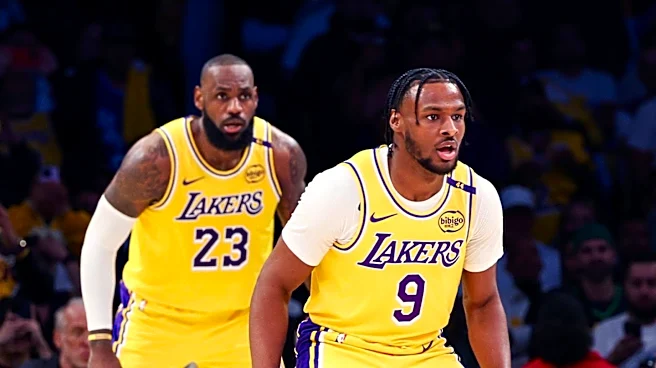
This ownership dispute has significant implications for the Los Angeles Lakers, one of the NBA's most iconic franchises, and for the broader sports business landscape. Jeanie Buss's potential loss of control could destabilize the team's leadership at a critical juncture, especially after the departure of LeBron James and the team's recent struggles on the court. The NBA's requirement for a governor to maintain a minimum 15% ownership stake highlights the league's emphasis on stable and committed leadership, and this case could set a precedent for future ownership transitions. For the Buss family, the feud underscores the complexities of managing a multi-generational family business, particularly one with such high public visibility and financial value. The outcome will determine who ultimately steers the Lakers' future, impacting strategic decisions, player acquisitions, and the team's overall direction. The involvement of high-profile figures like Josh Kushner and Bob Iger also signals the increasing convergence of sports, entertainment, and venture capital, reflecting the growing value of professional sports franchises as investment assets.
What's Next?
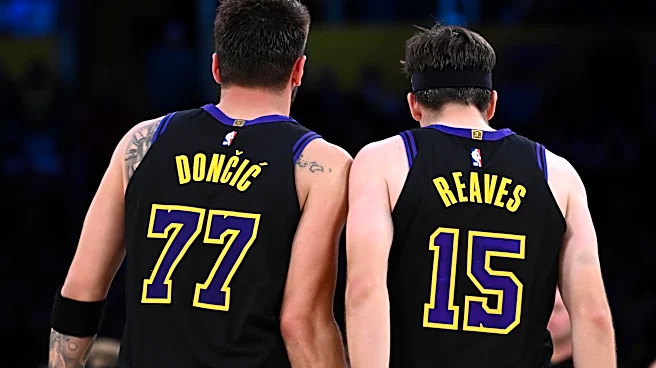
The immediate next step in the Lakers' ownership saga is the NBA's review and approval process for the sale of the team's remaining shares to Josh Kushner and Bob Iger. This process could extend for several months, during which time Jeanie Buss and her legal team will likely continue to challenge her siblings' right to sell their shares without her consent. The legal arguments will center on the interpretation of the family trust and the fiduciary duties of the co-trustees. Simultaneously, the Lakers organization will need to navigate the uncertainty surrounding its leadership while focusing on its on-court performance, particularly with a retooled roster around star Luka Doncic. The resolution of this dispute will ultimately determine the long-term governance structure of the Lakers and could influence future family-owned sports franchises. Stakeholders, including players, staff, and fans, will be closely watching for the NBA's decision and any subsequent legal rulings.
Beyond the Headlines
The ongoing power struggle for the Los Angeles Lakers extends beyond a simple business transaction, touching upon themes of legacy, family dynamics, and the evolving nature of sports ownership. The Buss family's internal conflict highlights the challenges of transitioning control of a multi-billion-dollar enterprise across generations, especially when personal relationships intersect with complex financial and legal structures. The potential shift in ownership from a long-standing family to a consortium of venture capitalists and entertainment moguls reflects a broader trend in professional sports, where traditional ownership models are being challenged by new investment paradigms. This situation also raises ethical questions about the balance between individual family members' financial interests and the long-term stability and success of a beloved public institution like the Lakers. The outcome could redefine what it means to be a 'controlling owner' in the NBA and set a precedent for how family trusts and ownership stakes are managed in the future, potentially influencing governance structures across other major sports leagues.