





What's Happening?
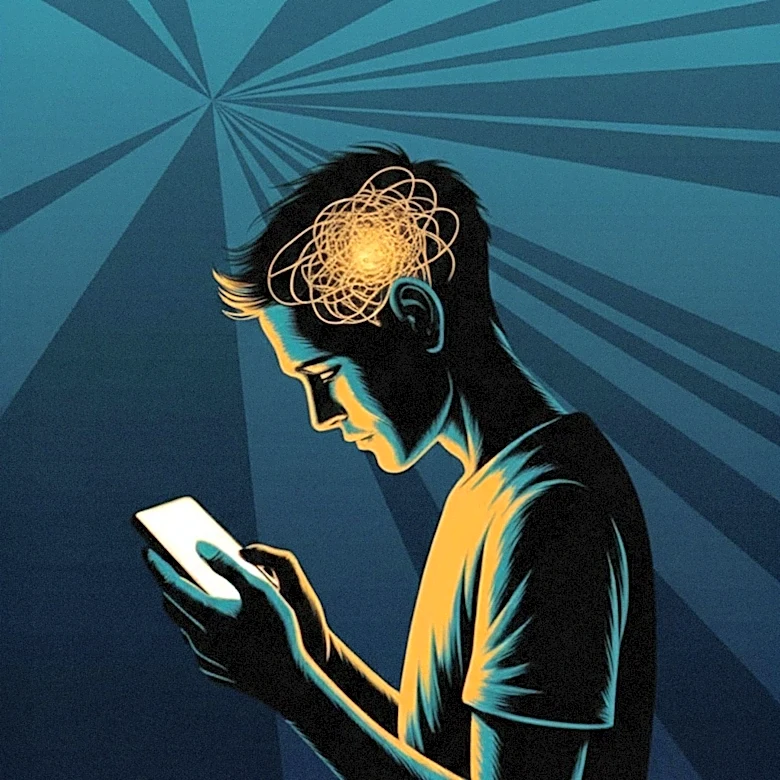
A new lifestyle trend called 'brain stacking' is gaining traction as individuals seek to reduce screen time and re-engage with offline activities. This trend involves intentionally replacing passive screen consumption, such as endless scrolling and short-form
videos, with a variety of engaging offline pursuits. These activities can include reading, journaling, solving puzzles, sketching, or playing board games. The core idea behind brain stacking is to provide the mind with stimulating alternatives to digital devices, thereby helping individuals regain control over their attention and combat the fatigue associated with constant digital notifications and content consumption. Unlike a traditional digital detox, which primarily focuses on reducing or avoiding digital devices, brain stacking emphasizes actively filling that time with enjoyable and mentally stimulating non-digital activities. This approach is emerging as a response to a widespread desire to disconnect from the digital world and foster more mindful engagement with the physical world.
Why It's Important?
The rise of brain stacking reflects a growing societal concern about the pervasive influence of digital technology and its impact on attention spans and mental well-being. This trend highlights a collective desire among individuals to reclaim their time and focus from the constant demands of screens and notifications. For industries, particularly those in wellness, publishing, and traditional entertainment (e.g., board games, arts and crafts), this shift could present new opportunities. As more people seek offline engagement, there may be an increased demand for products and services that facilitate these activities. Conversely, digital platforms and content creators might face pressure to adapt their offerings to be more mindful of user well-being or risk losing engagement to offline alternatives. The trend also underscores a broader cultural movement towards intentional living and a re-evaluation of how technology integrates into daily life, potentially influencing future product design and marketing strategies across various sectors.
What's Next?
As brain stacking gains momentum, it is likely to influence various sectors and consumer behaviors. We may see an increase in the popularity of products and services that support offline activities, such as physical books, journals, art supplies, and board games. Wellness retreats and workshops focusing on digital disconnection and mindful engagement could also see a surge in demand. Social media platforms, while being the origin of the trend's popularization, might also begin to incorporate features that encourage users to take breaks or engage in offline activities, or they may face continued pressure to address screen addiction concerns. Furthermore, educators and parents might increasingly explore ways to integrate more offline, hands-on learning and recreational activities into daily routines, recognizing the benefits of reduced screen time for cognitive development and overall well-being. The trend could also spur further research into the long-term effects of digital overload and the benefits of intentional offline engagement.
Beyond the Headlines
The brain stacking trend points to deeper societal implications regarding our relationship with technology and the pursuit of well-being in an increasingly digital world. Ethically, it raises questions about the responsibility of technology companies to design platforms that promote healthy usage habits rather than constant engagement. Legally, discussions around screen time and its impact on mental health could lead to policy considerations, particularly concerning younger demographics. Culturally, brain stacking signifies a potential shift away from the glorification of constant connectivity and towards valuing presence, mindfulness, and tangible experiences. This movement could foster a renewed appreciation for traditional hobbies and skills, potentially leading to a resurgence in community-based activities and a re-emphasis on human connection over digital interaction. In the long term, this trend might contribute to a broader redefinition of productivity and success, moving beyond purely digital metrics to include personal well-being and meaningful offline engagement.