









What's Happening?
Persistent Systems, a networking technology company, has purchased a 30,600-square-foot office building in Fort Collins, Colorado. This acquisition aims to consolidate its local operations and provide a dedicated space for teams supporting U.S. Army and Air
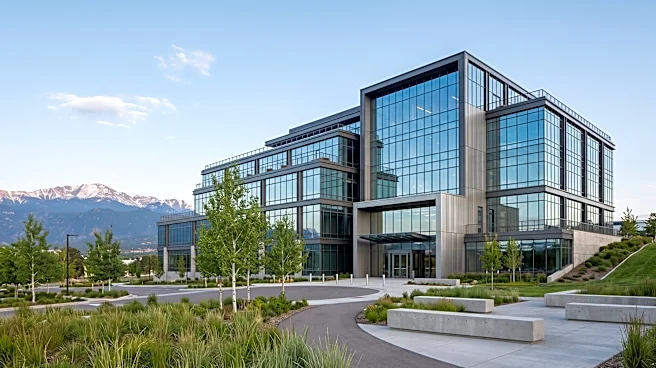
Force missions. The company acquired the Fuse Building at 3528 Precision Drive, with financing provided by J.P. Morgan Commercial Banking. The purchase price was not disclosed. Persistent Systems initially established its presence in Fort Collins in 2015 with a leased office and has since significantly expanded its local staff. The new regional headquarters will house employees involved in field service, customer support, program management, and engineering. These teams are crucial for supporting the 4th Infantry Division at Fort Carson, specifically contributing to the Army’s Next Generation Command and Control (NGC2) initiative. This initiative focuses on connecting division headquarters, individual soldiers, and other elements through a shared data network.
Why It's Important?
This acquisition by Persistent Systems is significant for several reasons, particularly concerning U.S. national security and regional economic development. By establishing a permanent regional headquarters, Persistent Systems solidifies its commitment to supporting critical U.S. Army and Air Force operations. The company's Wave Relay mobile ad hoc network technology, which carries data, voice, and video among soldiers, command posts, unmanned systems, and sensors without relying on fixed infrastructure, is a vital component of the Army's NGC2 network. This technology enhances battlefield communication and situational awareness, directly impacting the effectiveness and safety of military personnel. The expansion also represents a boost for the Fort Collins economy, creating and retaining high-tech jobs in the region. The presence of such a company, deeply integrated with military contracts, can attract further investment and talent to the area, fostering a specialized defense technology hub. U.S. military stakeholders stand to gain from enhanced support and proximity to Persistent Systems' technical expertise, ensuring the continuous development and deployment of advanced networking solutions.
What's Next?
Persistent Systems plans to expand its Colorado teams as its work with the Army and Air Force grows, indicating potential future job creation and increased investment in the region. The new facility, located in Harmony Technology Park, offers room for this anticipated expansion. The company's continued support for the 4th Infantry Division's NGC2 effort suggests ongoing collaboration and development in military communication technologies. As the U.S. military continues to modernize its command and control systems, Persistent Systems is positioned to play a crucial role, potentially leading to more contracts and technological advancements. The ribbon-cutting ceremony, attended by U.S. Sen. John Hickenlooper, underscores the political and economic significance of this development, suggesting continued governmental interest and support for such defense-related enterprises in Colorado.
Beyond the Headlines
The establishment of a dedicated regional headquarters by Persistent Systems highlights a broader trend of defense contractors decentralizing operations and establishing specialized hubs closer to military installations. This strategy can improve responsiveness, foster closer collaboration with military personnel, and potentially streamline the development and deployment of critical technologies. The reliance on advanced networking solutions like Persistent Systems' Wave Relay for military operations also underscores the increasing importance of resilient and secure communication in modern warfare. This move could also signal a growing emphasis on domestic production and support for defense technologies, reducing reliance on overseas supply chains and expertise. Furthermore, the integration of private sector innovation with military needs, as exemplified by Persistent Systems' role in the NGC2 initiative, reflects a strategic partnership model that is becoming increasingly prevalent in U.S. defense procurement and development.