




What's Happening?
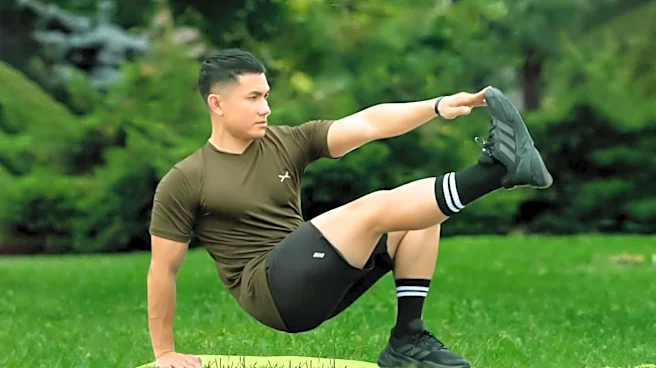
Tabata, a high-intensity interval training (HIIT) method, is being incorporated into at-home workout routines focusing on abdominal and calf muscles. This training protocol typically involves 8 rounds of 20 seconds of intense exercise followed by 10 seconds of rest.
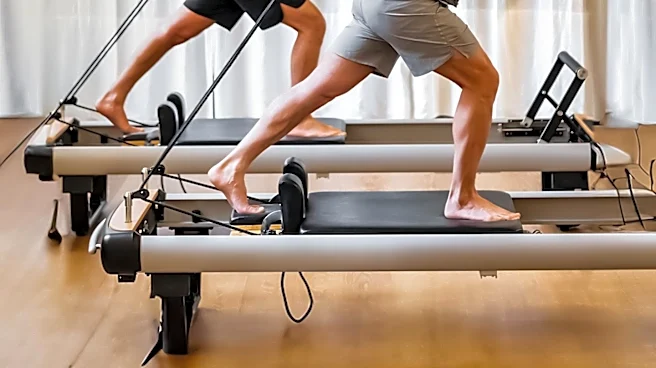
For instance, one workout described on jimstoppani.com features three distinct Tabata routines: one for lower abs using reverse crunches, another for upper abs with standard crunches, and a final one for the core using planks. Each of these routines lasts four minutes, with a 1-2 minute rest period between them. The structure is designed to maximize muscle engagement and challenge participants, even without specialized equipment. The method is also recognized in various fitness applications and studio settings, such as Reformer Pilates classes, which may include a Tabata-style high-intensity peak.
Why It's Important?
The integration of Tabata into at-home workouts is significant for several reasons. It provides an accessible and time-efficient method for individuals to maintain or improve their fitness levels without needing a gym or extensive equipment. This is particularly relevant for those seeking effective workouts in limited spaces or with busy schedules. The high-intensity nature of Tabata can lead to improved cardiovascular health, increased endurance, and enhanced muscle strength in a shorter duration compared to traditional steady-state exercise. For the fitness industry, the popularity of Tabata-based routines, as seen in online platforms and apps, indicates a growing demand for structured, intense, and adaptable workout formats that can be performed anywhere. This trend also highlights the ongoing evolution of fitness programming to cater to diverse needs and environments.
What's Next?
The continued adoption of Tabata and similar HIIT protocols in digital fitness platforms and home workout programs is likely. As more individuals seek convenient and effective ways to exercise, the demand for well-structured, short-duration, high-intensity routines will probably grow. Fitness app developers and online trainers may further innovate by creating more varied Tabata-based workouts targeting different muscle groups or fitness goals. There could also be an increased focus on personalized Tabata routines, adapting to individual fitness levels and progress. Furthermore, as fitness technology advances, integration with wearable devices to track performance and recovery during Tabata sessions could become more sophisticated, offering users real-time feedback and motivation.
Beyond the Headlines
Beyond its immediate fitness benefits, the widespread use of Tabata reflects a broader cultural shift towards optimizing time and efficiency in personal health pursuits. The method's appeal lies not just in its physical demands but also in its psychological impact, offering a sense of accomplishment within a brief period. This aligns with modern lifestyles where time is a premium commodity. Ethically, the emphasis on high-intensity training also raises considerations about proper form and injury prevention, especially for beginners. Fitness professionals have a responsibility to educate users on safe execution to prevent overtraining or strain. Culturally, Tabata contributes to the ongoing narrative of 'biohacking' and maximizing physical output, influencing how individuals perceive and engage with exercise.