






What's Happening?
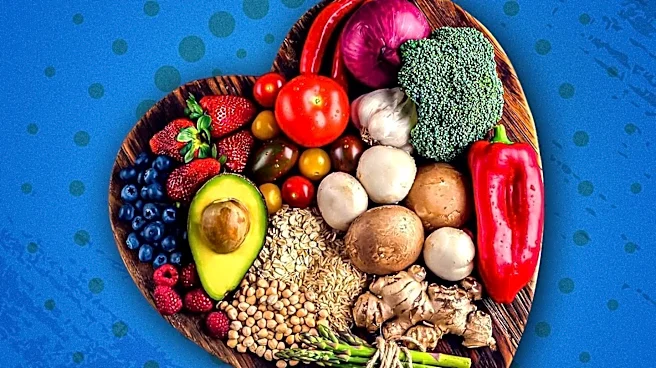
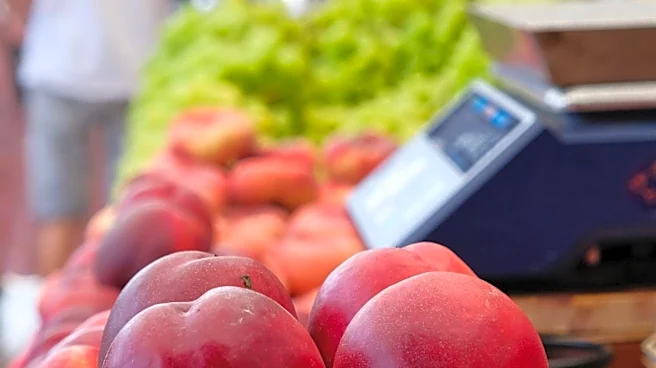
Eating seasonal produce, particularly during the fall harvest, offers numerous benefits for U.S. consumers. Fruits and vegetables harvested in season, such as apples, pears, pumpkins, and root vegetables, often boast superior freshness and flavor. This
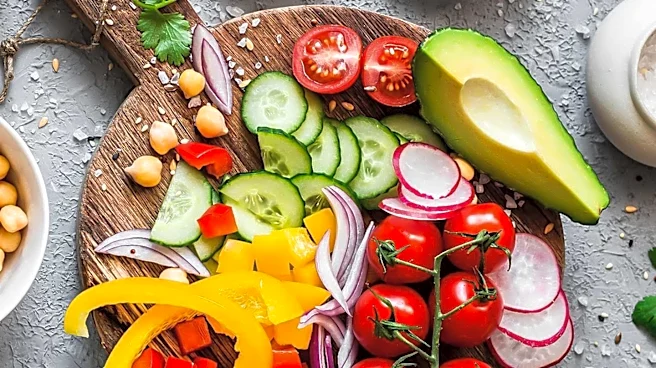
practice encourages dietary variety, as different seasons bring different produce options, leading to a wider range of nutrients, flavors, and textures in one's diet. Seasonal eating also simplifies the process of incorporating more plant-based foods into meals, making healthy eating more accessible. Additionally, seasonal produce can be more budget-friendly due to its abundance and can support local food systems when sourced from local farmers' markets or community-supported agriculture programs.
Why It's Important?
The emphasis on seasonal eating has significant implications for public health, local economies, and environmental sustainability in the U.S. From a health perspective, consuming a diverse array of seasonal fruits and vegetables ensures a broader intake of essential vitamins, minerals, and antioxidants, which can contribute to better overall health and disease prevention. Economically, supporting local seasonal produce strengthens regional agricultural sectors, creates jobs, and keeps money within communities. Environmentally, choosing seasonal and locally grown produce can reduce the carbon footprint associated with long-distance transportation and energy-intensive farming practices. This approach also fosters a deeper connection between consumers and their food sources, promoting a more mindful and sustainable food culture.
What's Next?
The trend towards seasonal eating is likely to continue growing, driven by increasing consumer awareness of health, environmental impact, and local economies. This could lead to greater demand for farmers' markets, community-supported agriculture (CSA) programs, and grocery stores that prioritize local and seasonal sourcing. Educational initiatives promoting the benefits of seasonal eating may expand, encouraging consumers to experiment with new ingredients and cooking methods. Food manufacturers and restaurants might also incorporate more seasonal ingredients into their offerings, influencing menu development and product innovation. Furthermore, there could be increased investment in regional food infrastructure to support the distribution and accessibility of seasonal produce across different communities.
Beyond the Headlines
Beyond the immediate benefits, embracing seasonal produce taps into a deeper cultural and historical connection to food and the natural world. It encourages a rhythm of eating that aligns with natural cycles, fostering a greater appreciation for the origins of our food. This practice can also serve as a form of culinary creativity, inspiring home cooks and chefs to experiment with diverse ingredients and flavors throughout the year. On a societal level, it challenges the year-round availability of all produce, which often comes at an environmental cost, and promotes a more sustainable and resilient food system. It also highlights the importance of food literacy, empowering individuals to make informed choices that benefit their health, their communities, and the planet.