







What's Happening?
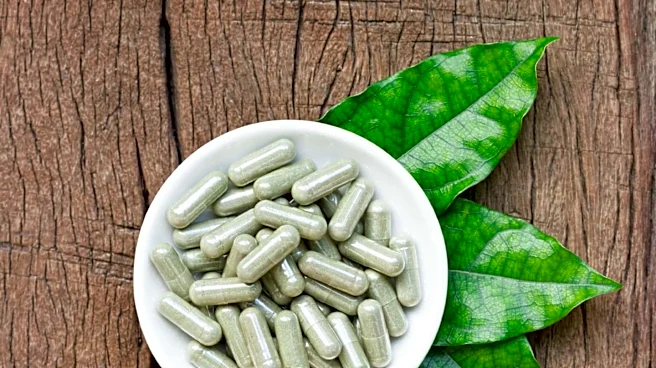
The Herbal Goodness Editorial Team has published a comprehensive guide on selecting Gymnema supplements, aiming to help consumers navigate the various forms, labels, and lab data associated with these products. The guide outlines different supplement formats,
including teas, powders, tinctures, and capsules, detailing their unique advantages, potencies, and absorption characteristics. It emphasizes the importance of understanding extract ratios, standardization markers (such as gymnemic acid content), and the presence of additives or fillers. The team also advises on how to interpret third-party lab reports, known as Certificates of Analysis (COAs), to verify identity, potency, and purity, including testing for heavy metals, microbes, solvents, and pesticides. The goal is to empower shoppers to make informed decisions that align with their wellness routines and personal values.
Why It's Important?
This guide is important for U.S. consumers in the growing dietary supplement market, where product quality and transparency can vary significantly. By providing a structured framework, Herbal Goodness helps individuals make educated choices, potentially preventing the purchase of ineffective or contaminated products. The emphasis on understanding labels and lab reports can foster greater consumer confidence and push manufacturers towards more transparent practices. For the supplement industry, this initiative sets a benchmark for consumer education and product disclosure, which could lead to increased trust and demand for reputable brands. Consumers who prioritize natural health solutions stand to benefit from clearer guidance on integrating Gymnema, an herb traditionally used for various health purposes, into their daily routines effectively and safely.
What's Next?
Consumers are encouraged to utilize this framework to critically evaluate Gymnema supplements before purchase. This involves actively comparing different formats, scrutinizing product labels for extract ratios and standardization, and requesting or reviewing third-party lab reports. The guide suggests asking specific questions to sellers regarding plant sourcing, gymnemic acid percentage, and the presence of additional ingredients. This proactive approach by consumers could drive a market trend towards greater transparency and higher quality standards among supplement manufacturers. Brands that readily provide COAs and detailed product information are likely to gain a competitive edge, while those lacking transparency may face increased scrutiny from informed buyers.
Beyond the Headlines
The initiative by Herbal Goodness highlights a broader trend in the health and wellness industry towards greater consumer empowerment and demand for transparency. As consumers become more health-conscious and seek natural remedies, the need for clear, science-backed information on supplements becomes paramount. This guide implicitly addresses the ethical responsibility of supplement companies to provide accurate and verifiable product information, moving beyond marketing claims to tangible data. It also touches upon the cultural shift towards personalized wellness, where individuals seek products that not only offer health benefits but also align with their lifestyle, ethical sourcing preferences, and values. This could lead to a more discerning consumer base that prioritizes product integrity over mere brand recognition.