




What's Happening?
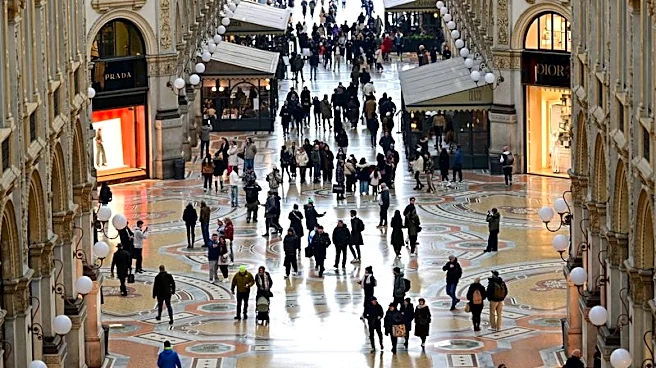
The global luxury market is holding steady at an estimated €1.5 trillion in 2026, despite geopolitical tensions and macroeconomic uncertainties, according to Bain & Company. While overall spending remains stable, significant regional variations are observed.
The Americas continue to lead with an expected 4-6% year-over-year growth, driven by local wealth. Europe shows more modest growth of 1-3%, as tourist spending shifts from luxury goods to travel and hospitality. The Asia-Pacific (APAC) region is forecast to dip by 2-4% due to China's slowdown, while the rest of the world is projected to decline by 6-8%, largely impacted by geopolitical headwinds in the Middle East. The personal luxury goods segment, after two years of contraction, is expected to rebound with 1-3% growth, primarily driven by top-tier customers. However, the overall luxury consumer base has slightly decreased from 330 million in 2025 to an estimated 315 million in 2026, as consumers reallocate spending towards premium leisure and entertainment outside traditional luxury goods.
Why It's Important?
This stabilization in the global luxury market, coupled with shifting consumer behaviors, has significant implications for U.S. businesses and the broader economy. The continued growth in the Americas, fueled by local wealth, suggests resilience in the U.S. luxury consumer base, potentially benefiting domestic luxury brands and retailers. However, the global shift from luxury goods to experiences like travel and hospitality could redirect investment and marketing efforts within the U.S. luxury sector. The decline in the overall luxury consumer base indicates a more discerning market, requiring brands to refine their value propositions to attract and retain customers. U.S. luxury companies that can adapt to these evolving preferences, focusing on unique experiences and personalized offerings, may gain a competitive advantage. Conversely, those heavily reliant on traditional luxury goods without adapting to experiential demands might face challenges. The report also highlights the growing importance of top-tier customers, who now account for over 50% of total luxury spending, emphasizing the need for targeted strategies for this demographic.
What's Next?
Looking ahead to 2027, the personal luxury goods market is projected to experience 0-4% year-over-year growth, reflecting a continued volatile environment. The Americas are expected to remain a primary growth engine, while Europe may stabilize as tourist flows gradually return. China's recovery is anticipated to remain muted, impacting global luxury dynamics. Brands will need to focus on engaging differently with various generations, markets, and product categories, as there is no single formula for growth. The report suggests that resilient top clients, a steadier aspirational consumer base, and creative renewals in fashion could support gradual improvement. However, risks remain, with potential macroeconomic or geopolitical headwinds possibly pushing growth below zero, while easing tensions and stronger tourist spending could lift growth to 4-6%. The long-term outlook to 2035 projects the global luxury market to grow to €2.2-€2.6 trillion, driven by factors like longevity and the increasing influence of artificial intelligence in consumer interactions.
Beyond the Headlines
The report delves into deeper implications, highlighting how the luxury market is redefining its boundaries beyond traditional goods. The emphasis on experiences over ownership reflects a broader cultural shift where consumers prioritize memories and personal fulfillment. This trend could lead to increased investment in luxury hospitality, fine dining, and unique travel experiences, potentially reshaping the U.S. tourism and leisure sectors. The growing influence of AI in consumer discovery and brand interaction presents both opportunities and challenges. Brands will need to rethink their digital ecosystems to ensure visibility and trustworthiness in AI recommendations, as AI-referred visitors generate significantly higher revenue. Furthermore, the concept of 'longevity' is emerging as a new growth force, with older generations possessing both financial means and time to spend on luxury. This demographic shift could unlock substantial market value, prompting brands to develop offerings tailored to longer, healthier, and more active lifestyles, spanning from comfortable fashion to advanced skincare and multi-generational travel experiences.