



What's Happening?
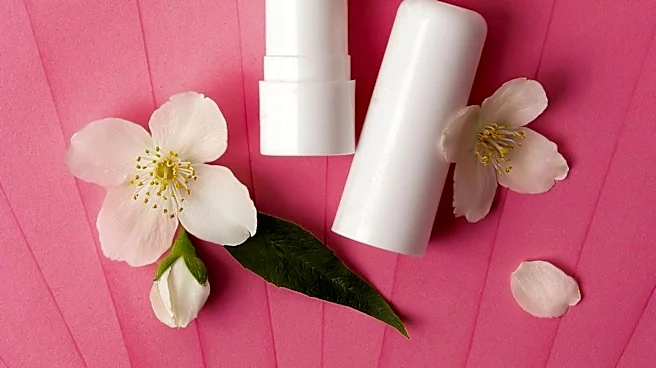
The beauty and cosmetics sector is increasingly adopting refillable product systems as a response to growing consumer, retailer, and regulatory demands for sustainability. This shift, often referred to as 'circular beauty,' focuses on keeping materials
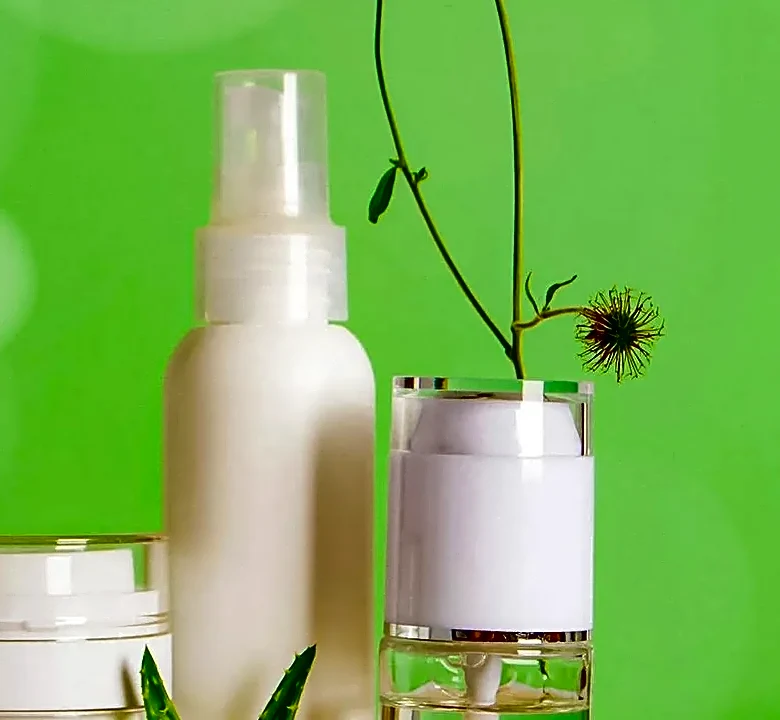
in use longer and reducing reliance on single-use packaging. Innovations in packaging and chemistry are crucial to overcome technical challenges such as ensuring durability, preventing leakage, maintaining product stability after repeated opening, and ensuring reliable dispensing mechanisms. Established high street and luxury brands are now implementing refill systems for products like moisturizers, serums, and hair products, allowing consumers to purchase replacement pods or pouches while retaining branded outer packaging. This trend is also driving patent activity in refill systems and reusable packaging, indicating significant investment in engineering, materials science, and manufacturing processes beyond just product formulations. Companies are also exploring sustainable materials like bio-based polymers and fiber-based packaging, and rethinking product formats, such as concentrated or powdered formulations, to further reduce packaging and transportation weight.
Why It's Important?
This movement towards refillable beauty products signifies a significant transformation within the U.S. beauty industry, impacting manufacturing, consumer behavior, and environmental policy. For consumers, it offers more sustainable choices, potentially reducing waste and promoting a more eco-conscious lifestyle. For businesses, it presents both challenges and opportunities. Companies must invest heavily in research and development to create durable, functional, and aesthetically pleasing refill systems, which can lead to new intellectual property and competitive advantages. The adoption of refillable models can enhance brand loyalty among environmentally aware consumers and help companies meet evolving regulatory standards regarding packaging waste. Conversely, brands that fail to adapt risk losing market share to more sustainable competitors. This trend also influences the supply chain, requiring new approaches to material sourcing, production, and distribution, and could lead to a reduction in plastic waste, aligning with broader environmental goals.
What's Next?
The beauty industry's transition to a more circular economy is expected to accelerate, driven by continued consumer demand and increasing regulatory scrutiny on packaging waste. Companies will likely continue to invest in new packaging formats, refill systems, and sustainable material technologies. This will involve further innovation in chemistry, materials science, and manufacturing processes to support genuinely circular products. Businesses will need to strategically manage their intellectual property, considering patent filings for innovations in refill systems and packaging before public disclosure. Additionally, the focus will broaden beyond just packaging to include product formulations, with more brands developing concentrated or powdered products that reduce overall material usage. Major stakeholders, including political leaders and civil society groups, will likely continue to advocate for policies that support waste reduction and circular economy principles, potentially leading to more stringent regulations on packaging and product lifecycle management.
Beyond the Headlines
The shift to refillable beauty products has deeper implications beyond immediate environmental benefits. It represents a cultural shift in consumer values, where sustainability is becoming a core purchasing criterion rather than a niche concern. This trend challenges the traditional 'disposable' consumption model prevalent in many industries, encouraging a more mindful approach to product use and waste. Ethically, it pushes companies to take greater responsibility for their environmental footprint throughout the product lifecycle. Legally, it could lead to new intellectual property landscapes, with patents focusing on packaging innovation rather than just cosmetic formulations. This evolution also fosters a more collaborative ecosystem within the industry, as companies may need to partner with material scientists and engineering firms to develop advanced refill technologies. Ultimately, it could redefine the luxury experience, where sustainability and reusability become hallmarks of premium brands, signaling a long-term change in how beauty products are conceived, produced, and consumed.