








What's Happening?
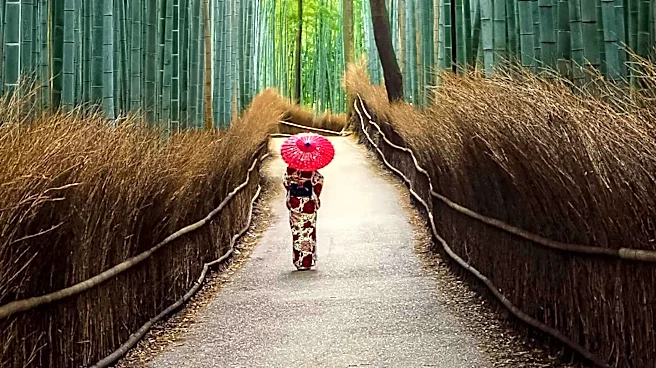
Guided walking tours in Japan are increasingly focusing on providing experiences that take visitors off the typical tourist routes. These 'pack-free' tours explore quieter regions, including remote mountains, ancient forests, coastal paths, and historic
post towns, which are often untouched by larger tour buses. Examples include an 8-day Kunisaki Spiritual Trail through Oita mountains, featuring ancient temples and forests, and the Basho Tohoku Walk, inspired by the haiku poet Matsuo Basho, showcasing gorges and tranquil rivers. Even on well-known routes like the Nakasendo Way, guides lead visitors through preserved Edo-period towns and forested landscapes. The Michinoku Coastal Trail offers dramatic cliffs, rugged shorelines, and fishing villages, complete with local food and cultural experiences. These tours handle logistics such as luggage transfers and provide hand-picked accommodation, allowing participants to focus on the scenery, culture, and walking.
Why It's Important?
This trend in Japanese tourism highlights a growing demand for authentic, immersive travel experiences that prioritize cultural depth and natural beauty over crowded, mainstream attractions. For the U.S. tourism market, this offers a valuable alternative for travelers seeking more meaningful engagement with Japanese culture and landscapes. It also demonstrates a shift in travel preferences towards sustainable and less impactful tourism, which could influence how U.S. travel agencies and tour operators design their international offerings. By focusing on less-visited areas, these tours can also contribute to the economic development of rural Japanese communities, diversifying the benefits of tourism beyond major urban centers. The 'pack-free' model, emphasizing convenience and comfort, could also set a precedent for similar niche travel experiences globally, appealing to a broader demographic of travelers who prefer active yet hassle-free vacations.
What's Next?
The success of these specialized walking tours may lead to an expansion of similar offerings across Japan and potentially in other popular international destinations. Tour operators are likely to develop more itineraries that delve into specific cultural, historical, or natural themes, catering to diverse interests. There could also be increased collaboration between local communities and tour companies to create unique, authentic experiences that benefit both visitors and residents. Furthermore, as travelers continue to seek personalized and less commercialized journeys, the demand for expert-guided, small-group tours in off-the-beaten-path locations is expected to grow. This could also spur innovation in travel technology to better connect travelers with these niche experiences and local guides.
Beyond the Headlines
Beyond the immediate tourism impact, the emphasis on exploring Japan's quieter corners through walking tours reflects a broader appreciation for slow travel and mindful engagement with destinations. This approach encourages a deeper understanding of local traditions, history, and the environment, fostering cross-cultural exchange that goes beyond superficial sightseeing. It also subtly promotes physical well-being through active exploration, aligning with global trends in health and wellness tourism. The focus on preserving and showcasing less-known cultural and natural heritage through these tours can also contribute to long-term conservation efforts and cultural revitalization in rural Japan. This model of tourism could inspire a re-evaluation of how travel is consumed and marketed, moving towards experiences that are enriching, sustainable, and respectful of local contexts.